Cruising has entered its algorithmic era. Artificial intelligence now manages everything from boarding procedures and pricing models to drink recommendations and food waste monitoring. Cruise lines market these systems as tools for convenience, safety, and personalization.
In reality, the experience can feel less like a luxury vacation and more like navigating a beta test.
AI doesn’t get tired, but it also doesn’t understand context, nuance, or human intent. When it works, passengers barely notice. When it fails, the consequences range from mildly annoying to trip-ending. Understanding where these systems break down is now essential cruise knowledge.
1. Facial Recognition Errors at Boarding
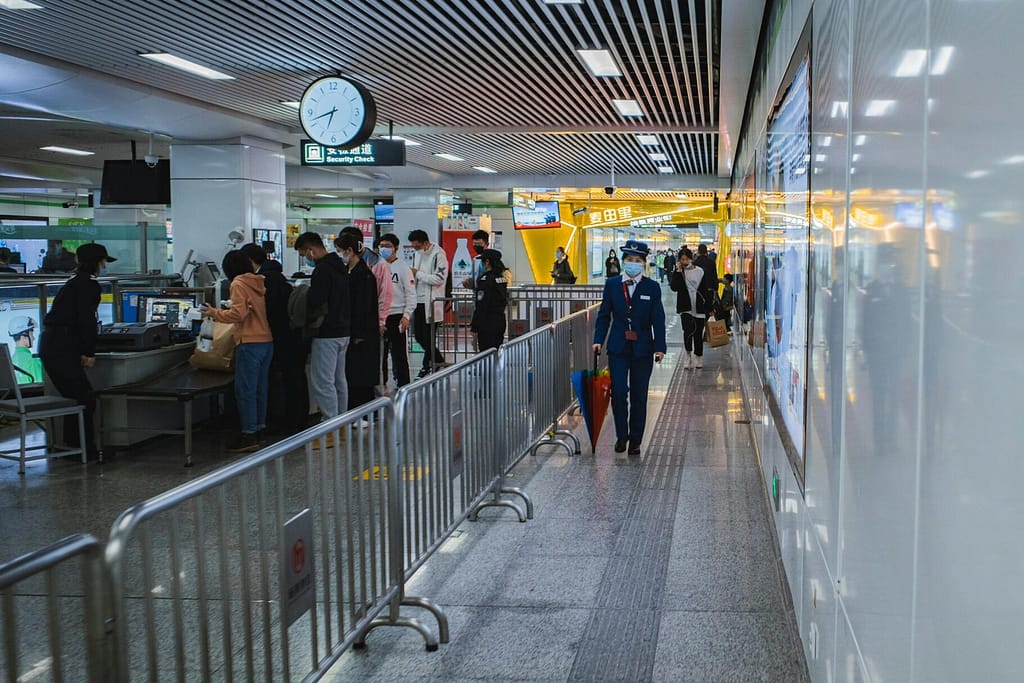
Many modern cruise terminals rely on biometric identification to speed up embarkation. Facial recognition cameras compare passengers against databases for security screening and boarding authorization.
The problem is accuracy. Facial recognition systems still produce false positives, particularly when lighting, camera angles, or physical changes affect image matching. Passengers have already reported being flagged incorrectly for past incidents they had no connection to.
Once flagged, frontline staff often lack authority to override the system. The most effective response is immediate documentation and escalation to supervisory personnel. Human review remains the only reliable counterbalance to algorithmic error.
2. AI-Generated Phishing Scams Targeting Cruisers

Scammers are now using AI to generate highly convincing phishing emails that replicate cruise line branding, tone, and formatting with near-perfect accuracy. These messages often request booking verification, payment confirmation, or urgent action.
Cruise contracts typically limit liability when passengers voluntarily provide information, even under deception. The safest practice is to avoid clicking links in cruise-related emails entirely. Manually navigating to official websites and enabling two-factor authentication significantly reduces risk.
3. Dynamic Pricing That Adjusts to Passenger Behavior

AI-driven dynamic pricing has already reshaped airline fares, and cruise lines are rapidly adopting similar models. These systems track demand, browsing patterns, and purchasing behavior to determine what each customer is likely willing to pay.
Repeated searches for the same sailing can trigger price increases. Clearing browser cookies, using private browsing, booking during wave season, or working with travel agents who access negotiated group rates can help offset algorithmic pricing pressure.
4. Budget Estimation Tools That Underestimate Reality
Automated budgeting tools often rely on outdated averages and incomplete cost categories. Onboard spending regularly exceeds AI-generated projections, particularly when gratuities, excursions, specialty dining, transportation, and incidentals are included.
Experienced cruisers recommend relying on recent passenger reports from cruise forums and social platforms. Building a personalized budget using current pricing data produces far more accurate results than automated estimates.
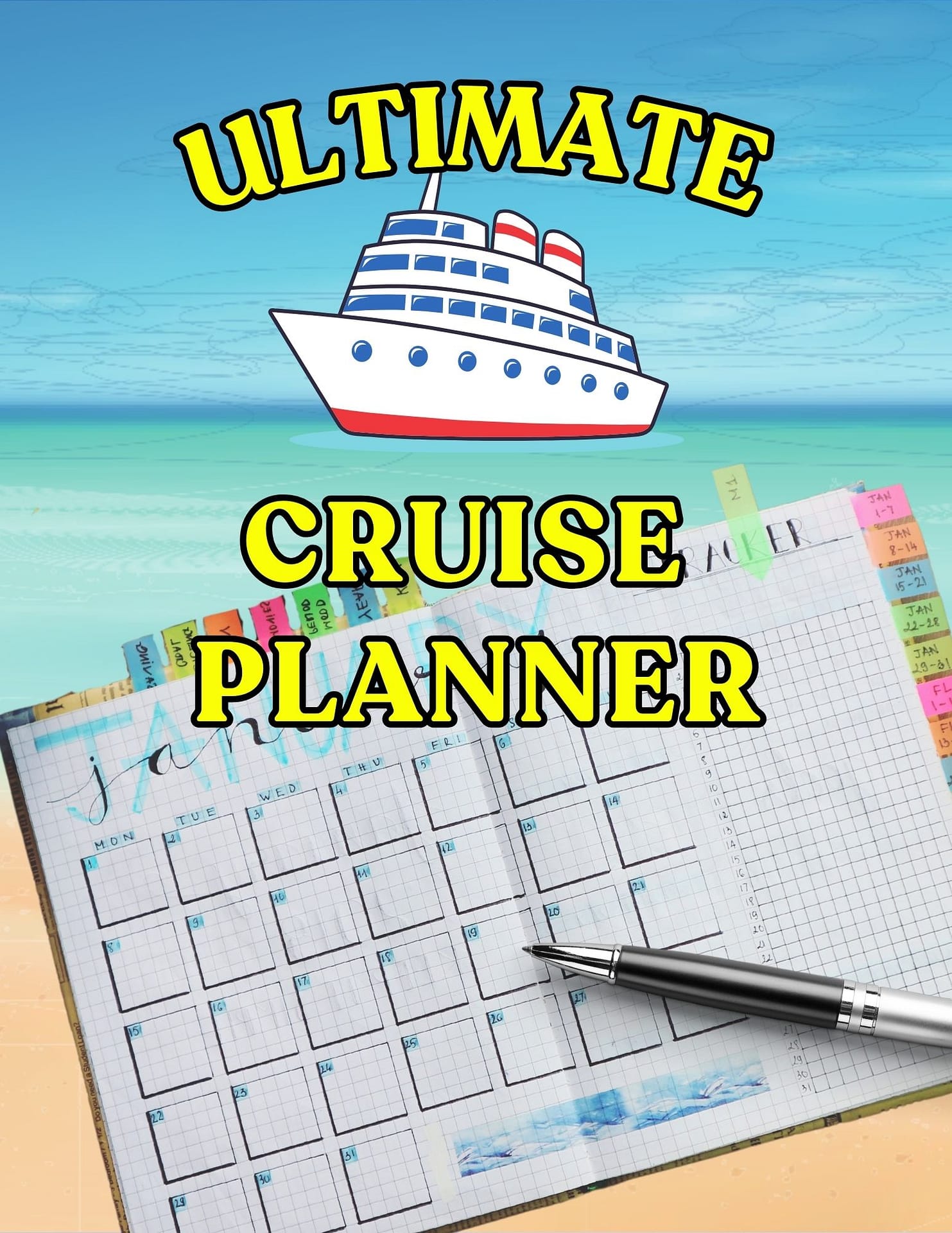
Designed from my own cruising adventures, this planner helps me stay organized at sea. With packing checklists, budget trackers, and a daily schedule, it keeps your vacation organized and stress-free. A must-have for first-time cruisers and seasoned sailors alike!

5. AI-Enhanced Marketing Images That Distort Expectations

Social media travel reels increasingly promote AI-enhanced or AI-generated imagery. While visually impressive, these images often depict conditions that cannot exist simultaneously—empty decks, enlarged cabins, idealized weather. Cross-reference images with content from other sources, ship-specific walkthrough videos, and recent reviews helps ground expectations in reality.
6. Inaccurate Visa Advice
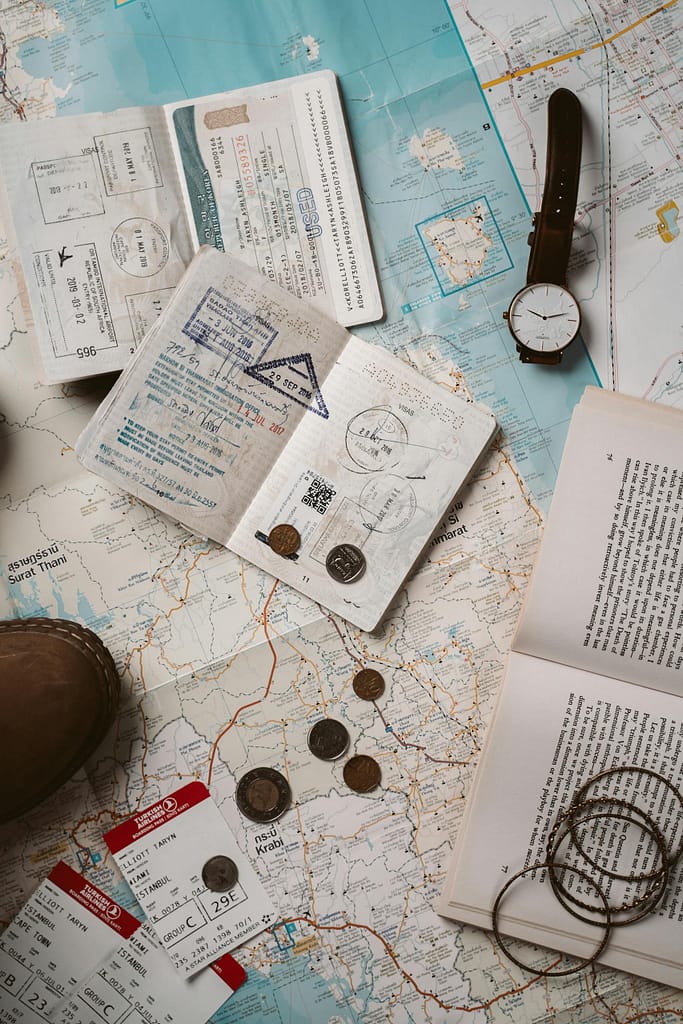
Travel documentation requirements are complex and conditional. AI chatbots frequently oversimplify, omitting critical requirements such as electronic travel authorizations or transit-specific rules. Passengers should verify requirements through official government websites and cruise line documentation pages. When uncertainty exists, direct contact with embassies or consulates remains the most reliable option.
7. Automation and Tipping Etiquette

Robotic bartenders and automated service stations are becoming more common onboard. These systems often prompt for tips despite providing no human service. Many experienced travelers recommend reserving gratuities for crew members whose income depends on them, such as cabin stewards and dining staff, rather than automated systems.
8. Outdated Port Recommendations

AI pulls from vast online datasets that often include obsolete information. Restaurants close, attractions change, and conditions shift faster than algorithms can reliably filter. Validate port recommendations through recent reviews, official websites, and traveler groups to help avoid wasted time and disappointment ashore.
9. AI-Optimized Itineraries Reducing Variety
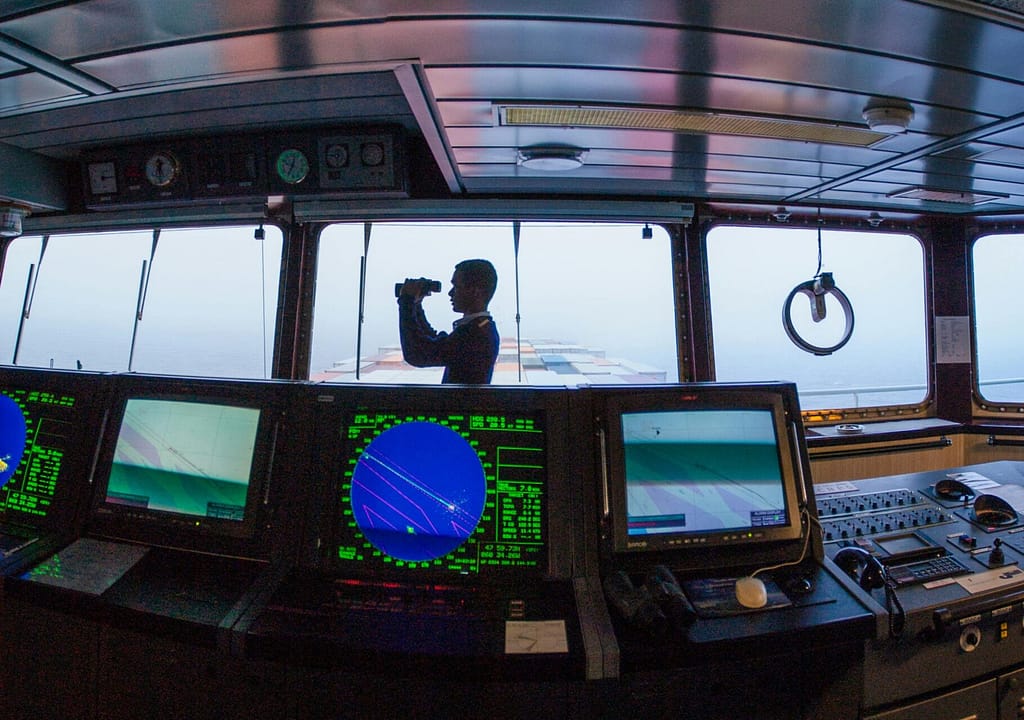
AI route optimization prioritizes fuel efficiency, port fees, and likely passenger spending data. As a result, itineraries are becoming increasingly standardized. Travelers seeking more unique destinations often find better options with smaller cruise lines, repositioning cruises, or longer itineraries where optimization pressures are reduced.
10. Food Waste Algorithms Affecting Dining Choices
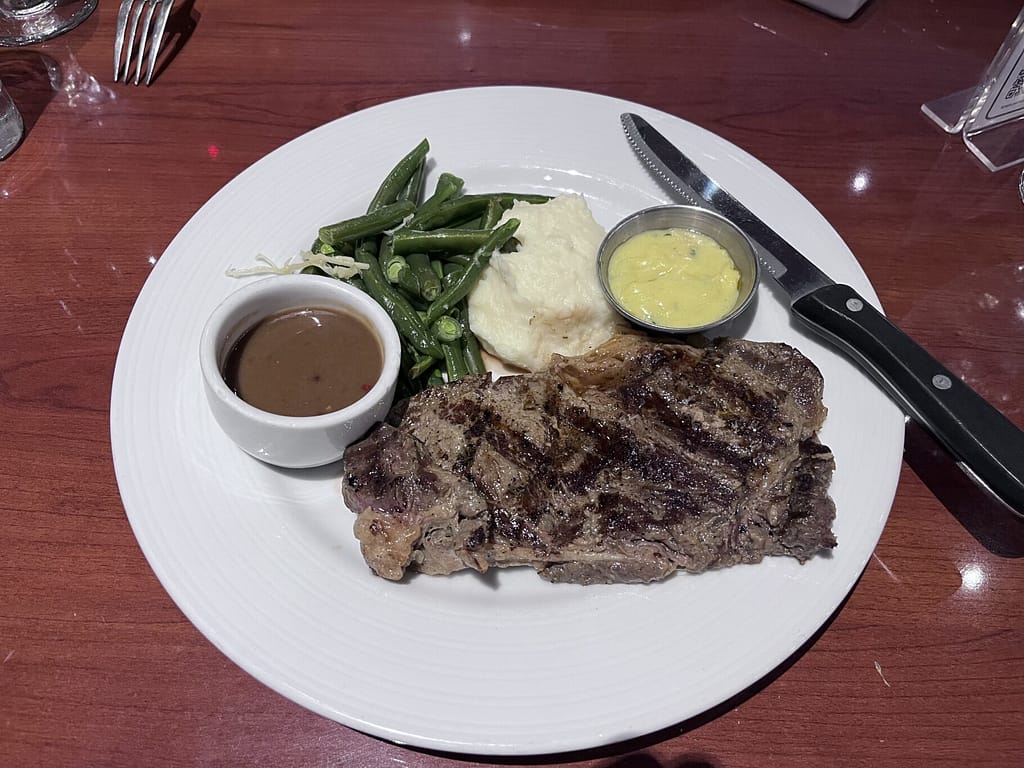
AI systems monitoring food waste aim to reduce excess, but this can also lead to reduced portion size or the elimination of favorite dishes. Passenger feedback still matters. Detailed comments on surveys can influence future menu decisions and counter flawed algorithmic conclusions.
Technology Requires Oversight
AI is now deeply embedded in the cruise industry, and its presence will only expand. While these systems offer efficiency, they also introduce new risks when unchecked.
The most successful passengers are not anti-technology—they are informed, skeptical, and proactive. Verify information, understand limitations, and advocating for human review to ensure a cruise experience shaped by intention rather than algorithms.