Cruise Ships Could Be History by 2035
Amsterdam has never been shy about protecting its soul, but this latest move feels like a full-on mic drop. Just over six months after announcing tighter restrictions on cruise ship visits, the Dutch capital is now floating an even bolder idea: banning all ocean-faring cruise ships entirely by 2035. Yep, not reduced. Not relocated. Just gone.
This is a sharp pivot from the city’s previous plan, which aimed to cut cruise ship calls in half by 2026 and move the main passenger terminal away from the bustling city center by 2035. At the time, officials framed the move as a way to improve air quality and ease overtourism, both of which have been hot-button issues in Amsterdam since at least 2023.
But now, the coalition government says relocating the terminal might not be worth the headache—or the price tag.
Why the City Is Pumping the Brakes
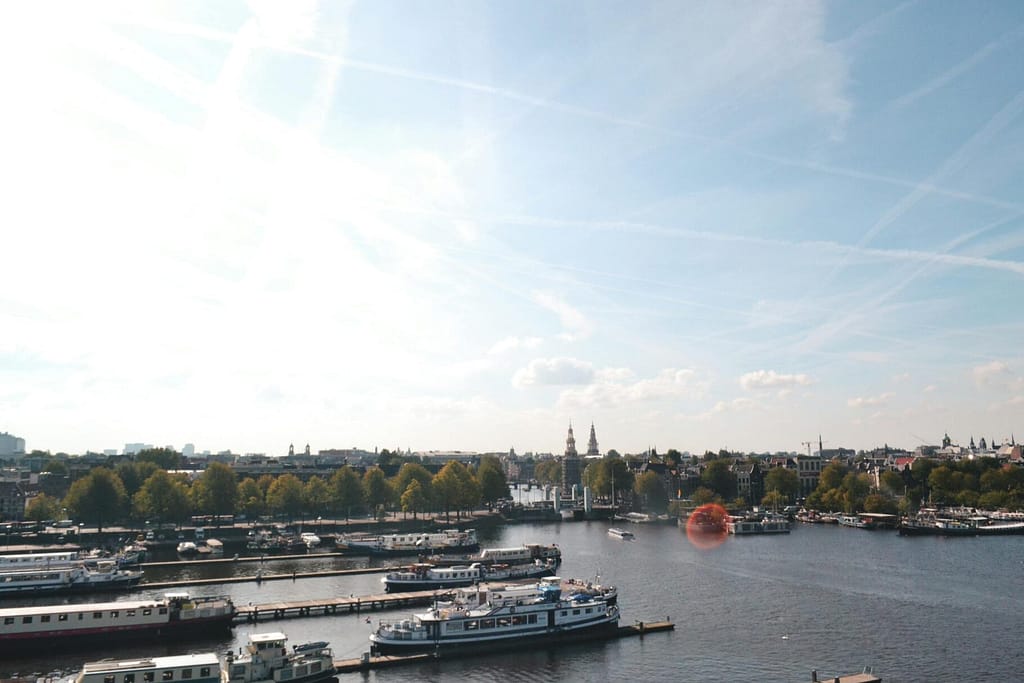
According to Alderman Hester van Buren, relocating the cruise terminal to the Coenhaven area would cost upwards of €85 million (around $99.3 million USD). That’s a hefty investment, especially when the long-term return isn’t guaranteed. Instead, the city is leaning toward a cleaner break: phasing out sea cruises altogether.
The motivation goes beyond money. Ocean cruise ships are major polluters, emitting significant amounts of CO₂, nitrogen, and fine particulate matter while sailing through the North Sea Canal. The IJ. City officials argue that eliminating these ships would deliver “clear sustainability and environmental gains” while also reducing the tidal wave of day-trippers that descend on Amsterdam during peak cruise season.
Party leader Rob Hofland didn’t mince words, calling cruise ships “floating apartment blocks” that clog bridges, foul the air, and dump hordes of tourists into already packed neighborhoods. Strong language, sure—but it reflects growing frustration among locals.
What Stays, What Goes
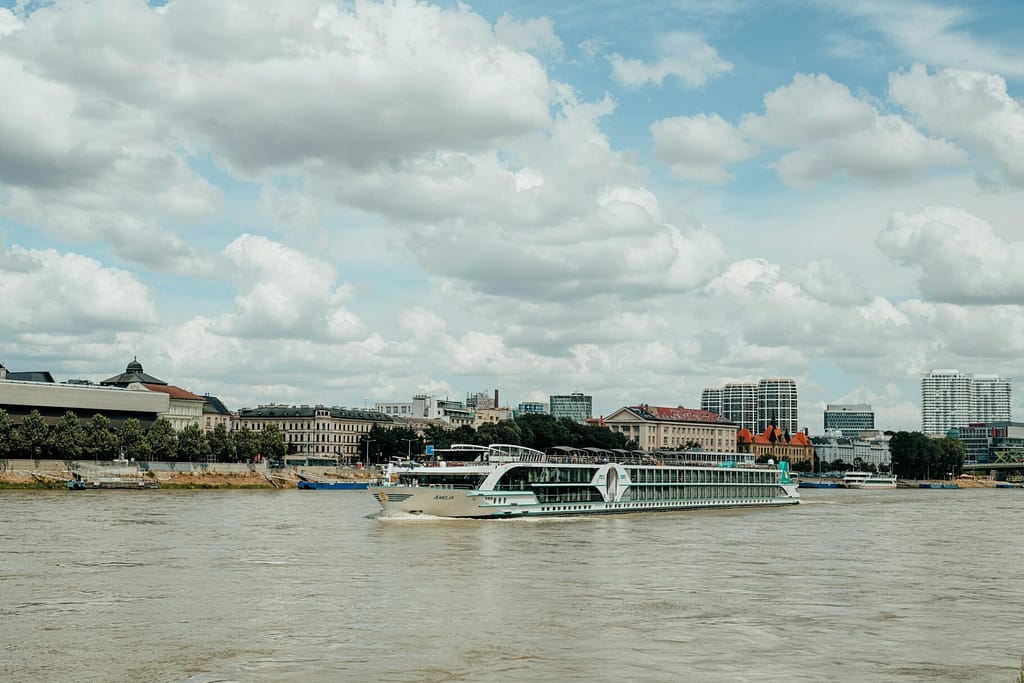
Not all cruising would disappear. River cruise vessels would still be allowed, capped at 1,150 calls per year, roughly half of recent volumes. These smaller ships are viewed as less disruptive and more aligned with the city’s sustainability goals.
Amsterdam would also join a growing list of European destinations pushing back against mass cruising. Cities like Barcelona, Nice, Marseille, Santorini, and Mykonos have already imposed restrictions. However, Amsterdam would be the first city in Europe to ban seagoing cruise vessels outright, rather than tweaking passenger caps or ship sizes.
That’s a pretty big deal.
The Economic Trade-Off
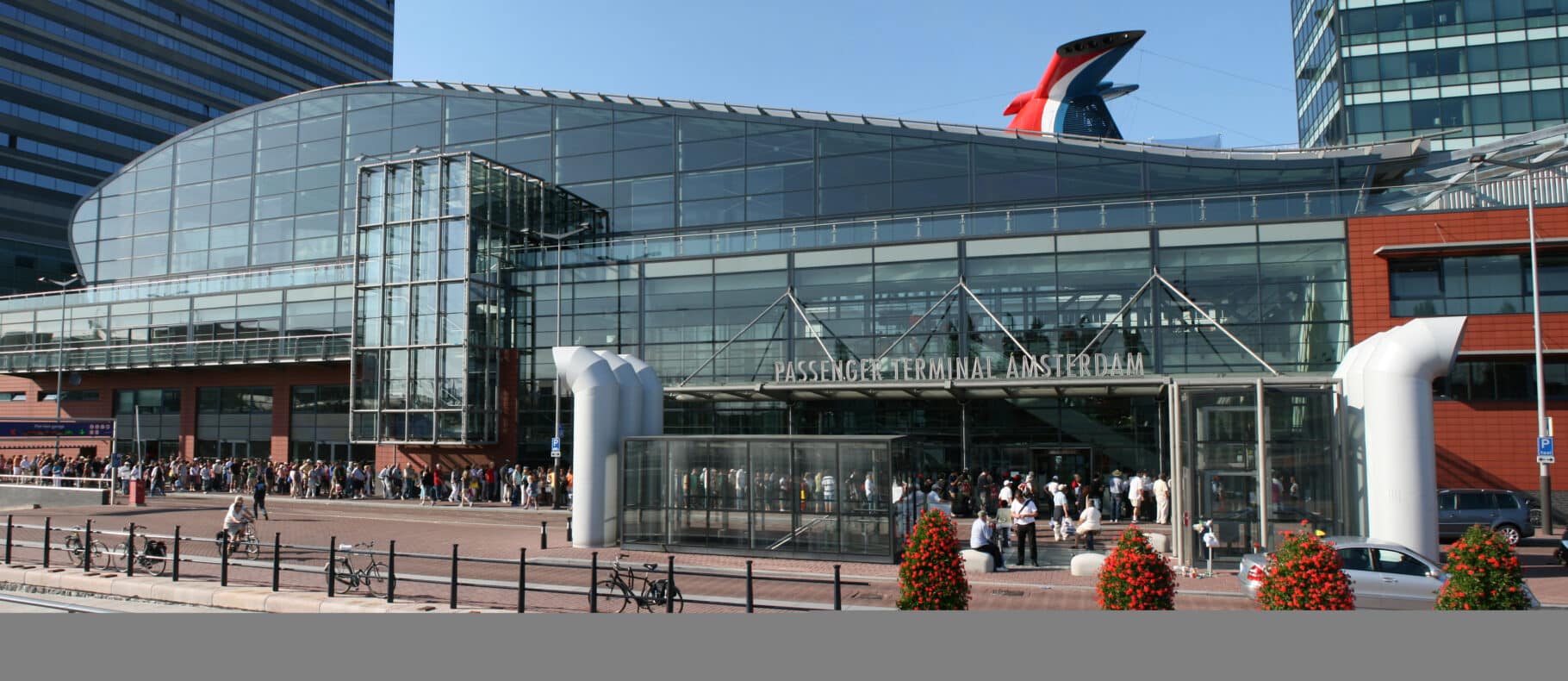
Blocking sea cruises wouldn’t be painless. The city estimates it would lose about €46 million over 30 years from port fees and tourist taxes. Still, van Buren believes that loss can be offset by redeveloping prime waterfront real estate like the Veemkade, currently home to the cruise terminal, and repurposing the Coenhaven area within the Port of Amsterdam.
Think more housing, dining, and event spaces—less diesel smoke and selfie sticks. For city planners, that’s a trade worth making.
So… Is This Actually Happening?
Not yet. This proposal is still very much a work in progress. The plan will be refined over the coming months and handed off to the next coalition government after local elections in March 2026. That group will ultimately decide whether the ban moves forward, gets modified, or gets tossed entirely.
For travelers, there’s no immediate impact. 2035 is nearly a decade away, and cruise itineraries aren’t planned far enough out for this to change bookings anytime soon. If the ban does pass, cruise lines are likely to pivot to Rotterdam, just 45 miles away and already Europe’s largest seaport. Shore excursions tied to Amsterdam would probably survive with minimal disruption.
Bottom line? Amsterdam is signaling that sustainability and livability come first—even if that means saying goodbye to the big ships. Whether this bold vision becomes reality is still up in the air, but the message is loud and clear: the era of unlimited cruising in Amsterdam is nearing its final chapter.