
The Return of Cruise Class Hierarchies
Cruising has long sold itself as the great equalizer of vacations: unpack once, eat endlessly, and enjoy the same ocean views as everyone else. But step aboard a modern mega-ship and that illusion starts to crack. While some passengers sip cocktails in private lounges and glide past lines with priority access, others circle the pool deck like sharks in search of an empty chair.
So what’s going on here? Are cruise lines quietly rebuilding a class system at sea—or did it never really disappear in the first place?
From ship-within-a-ship enclaves and spend-based loyalty tiers to premium paywalls hidden behind “all-inclusive” marketing, today’s cruise industry looks increasingly stratified. Budget lines are chasing luxury profits, elite perks are getting more exclusive, and longtime cruisers are asking an uncomfortable question: is cruising evolving forward—or sliding backward?
Watch The Video
Ship-Within-a-Ship Enclaves
The most visible sign of cruising’s new hierarchy is the rise of ship-within-a-ship concepts. These aren’t just nicer cabins. They’re gated communities floating inside mass-market vessels.
Norwegian Cruise Line’s The Haven is the poster child. Haven guests enjoy private pools, exclusive restaurants, butlers trained by the International Butler Academy, and keycard-only elevators that bypass the rest of the ship. MSC Cruises offers a similar experience with the Yacht Club, complete with a two-story private sundeck, 24/7 butler service, and no-wait dining. Royal Caribbean’s expanding Suite Neighborhoods follow the same blueprint—and they’re getting larger and more elaborate with every new ship.
| Cruise Line | Ship-Within-a-Ship Concept |
| Carnival | Havana Staterooms* |
| Celebrity | The Retreat |
| Cunard | The Grill Suites |
| Holland America | Neptune Lounge* |
| MSC | Yacht Club |
| Norwegian | The Haven |
| Princess Cruises | The Sanctuary Club |
| Royal Caribbean | Suite Neighborhood |
Loyalty Tiers
The ship-within-a-ship concept isn’t the only way cruise lines are creating a modern caste system. Loyalty programs have become hidden hierarchies that reward big spenders while making everyone else feel like second class. Cruise loyalty isn’t just about stamped cards and souvenir pins anymore. It’s become a full-blown endeavor with real perks, tiered access, and sometimes as much strategy as a frequent-flyer plan.
More Cruises = More Perks
Most loyalty programs all follow the same basic philosophy: the more you sail, the more you’re rewarded. Cruise lines award points based on nights sailed, with bonus points for booking suites or sailing solo, quietly nudging higher spenders up the ladder faster. Entry-level tiers are intentionally easy to reach and fairly modest in value—think small discounts on drinks, spa treatments, photos, or onboard shopping. They’re less about luxury and more about psychological reinforcement: a gentle “thanks for coming back” that keeps passengers feeling recognized without giving away the farm.
After two to five cruises on the same line, passengers reach the middle tiers, where loyalty perks shift from coupons to convenience. These benefits don’t necessarily cost cruise lines much to provide, but they dramatically change how a voyage feels. Dedicated loyalty events, discounted specialty dining, and early access to shore excursions or entertainment reservations give passengers a taste of that friction-free cruising, it’s hard to go back.
At the top tiers, loyalty becomes its own form of onboard currency. Elite members on lines like Royal Caribbean, Norwegian, and MSC can receive complimentary drinks, free laundry, priority tendering, exclusive lounges, behind-the-scenes tours, and in some cases even free cruises or heavily discounted sailings. This is where loyalty programs stop being egalitarian and start looking a lot like class systems. The perks compound, the access widens, and the gap between elite cruisers and first-timers becomes impossible to ignore.
When Loyalty Becomes About Spending Power
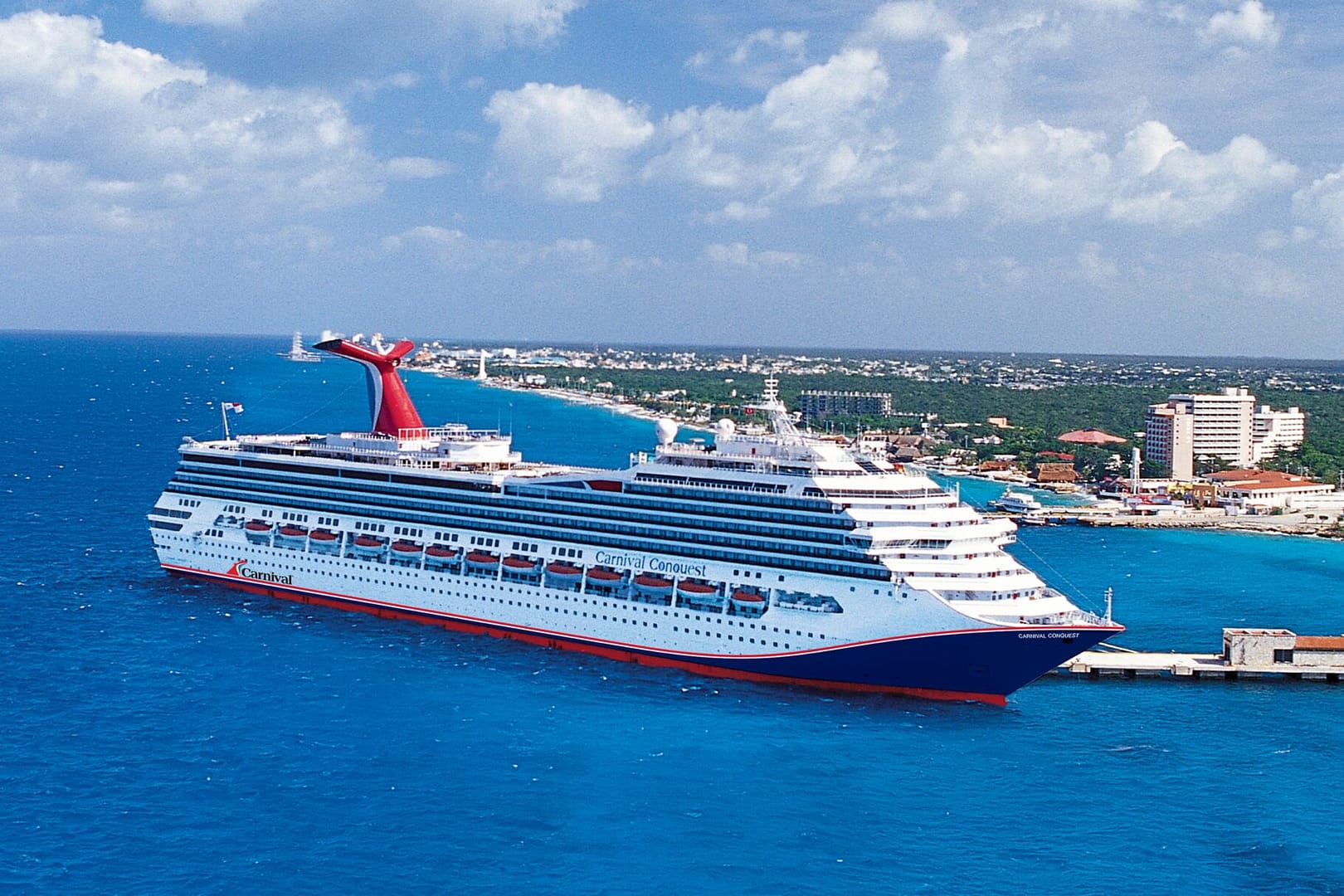
The class divide deepened further when Carnival announced it would replace its long-standing VIFP loyalty program with Carnival Rewards. Beginning in 2026, the Carnival Rewards system will base status almost entirely on dollars spent. This change has broken a long-standing unspoken rule that loyalty is earned by time, not money. Carnival argues the shift is necessary because elite status had become too common, making meaningful perks impossible to deliver. Learn more about Carnival’s revamped program here.
Cruise Line Loyalty Programs Comparison Chart
| Cruise Line | Loyalty Program | Top Tier Name | Points/Nights Required | Best Top-Tier Perks |
|---|---|---|---|---|
| Royal Caribbean | Crown & Anchor Society | Pinnacle Club | 700 points | 6 daily drinks, specialty dining, free cruise, priority access |
| Norwegian Cruise Line | Latitudes Rewards | Ambassador | 700 points | WiFi discount, specialty dining, free cruise, priority access |
| Carnival Cruise Line | VIFP Club (transitioning to Carnival Rewards June 2026) | Diamond | 200 nights sailed (VIFP) $53,334 spent over 2 years (Rewards) | 1 free drink, free laundry, priority access |
| Celebrity Cruises | Captain’s Club | Zenith | 700 points | Drink package, free WiFi, free laundry, free cruise, priority access |
| Princess Cruises | Captain’s Circle | Elite | 15 cruises OR 151 cruise days | Mini-bar set up, free laundry, WiFi discount, priority access |
| MSC Cruises | MSC Voyagers Club | Blue Diamond | 2,200 points (by invitation also possible) | Specialty dining, thermal spa access, priority access |
| Holland America | Mariner Society | 5-Star Mariner | Not specified (highest published tier) | Priority access, behind-the-scenes tour |
| Disney Cruise Line | Castaway Club | Platinum | 10 cruises | Priority access, onboard gift |
| Virgin Voyages | Virgin Sailing Club | Deep Blue Extras | 5 voyages | 2 coffees daily, bar tab credit, fitness classes, priority access |
Pay to Play
Beyond stateroom categories and loyalty tiers, cruise lines have discovered an even more flexible way to sort the onboard experience: letting passengers buy their way past inconvenience. Most major lines now offer à-la-carte priority perks for a fee, effectively unbundling the cruise fare into layers. Want to skip embarkation lines? Pay for priority boarding. Better internet? Upgrade the Wi-Fi. Prefer specialty dining, premium drinks, or reserved seating? There’s a package for that. This model allows cruise lines to keep headline fares low while monetizing comfort, time, and access once guests are onboard—or even before they sail.
Some brands have turned this into a full-blown pricing strategy through bundled packages that sit on top of the base fare. Princess Cruises leads here with its tiered packages, rolling drinks, Wi-Fi, gratuities, and specialty dining into higher-priced bundles that can add hundreds of dollars to a sailing but dramatically smooth the onboard experience. Holland America Line’s “Have It All” package does something similar. Norwegian Cruise Line’s “Free at Sea” takes a slightly different approach, marketing its packages as inclusions rather than upgrades.
Still, the effect is the same: two passengers may pay wildly different totals for the same cabin category and walk away with very different cruise experiences. In practice, these purchasable perks function as an unofficial class system—one where access isn’t earned through loyalty or status, but simply unlocked with a credit card. Standard cruisers increasingly feel like second-class citizens on ships they paid good money to sail on. You’re technically allowed everywhere, but the best stuff requires opening your wallet again and again.
A Brief History of Cruising
Here’s the inconvenient truth: class divisions at sea never really went away. They just learned better marketing.
In the early 20th century, ocean liners like Titanic enforced rigid first-, second-, and third-class segregation. First class enjoyed private baths, grand staircases, and gourmet dining. Third class—often immigrants—slept in shared quarters near the ship’s machinery with minimal amenities.
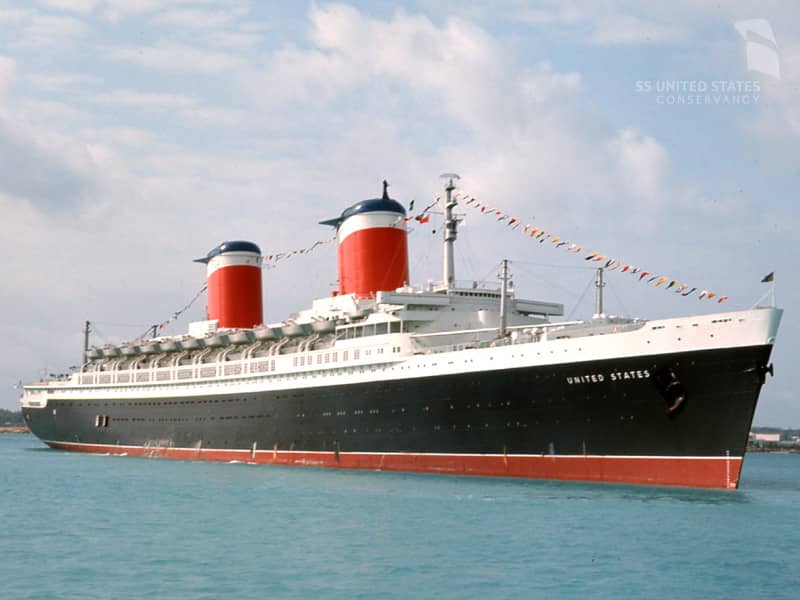
After World War II, cruising rebranded itself as leisure rather than transportation. By the 1970s and 80s, mass-market lines promised a “one-class” experience. Everyone could access the same public spaces, the same dining rooms, the same shows. But the hierarchy never vanished. Suite perks existed. Priority services emerged. Loyalty programs rewarded repeat guests. The difference today is scale—and subtlety.
Modern cruise lines avoid the word class, opting instead for phrases like “personalized experiences” and “exclusive access.” But when keycards restrict entire decks and passengers pay five times more for private spaces, the distinction is unmistakable. The class system didn’t disappear. It rebranded.
How Cruise Lines Segment the Market
Class divisions don’t just exist within ships—they exist across brands.
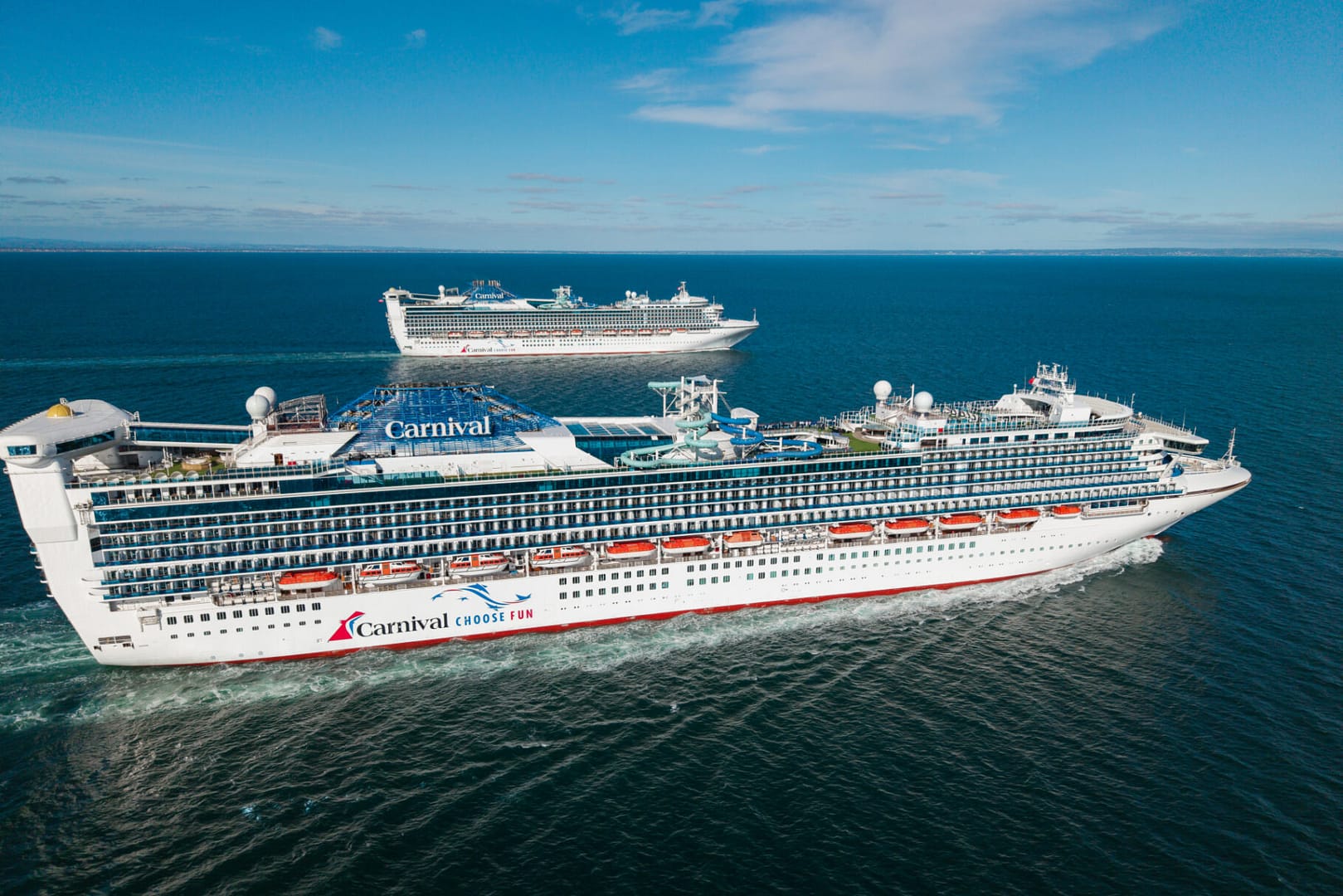
Budget and mass-market lines like Carnival, Royal Caribbean, MSC, and Norwegian are built on volume. Their business model depends on carrying thousands of passengers at a time, offering low entry prices, and then generating additional revenue through onboard spending. The experience is energetic, social, and activity-driven: water slides, mega-theaters, multiple dining venues, and packed pool decks. You trade intimacy and personal service for choice and affordability. The vacation is what you make of it—and how much you’re willing to add on.
Luxury lines operate on the opposite philosophy. Brands like Regent Seven Seas, Silversea, Seabourn, and Explora Journeys cap passenger counts, often under 750 guests, and price their cruises to include nearly everything upfront. Fares commonly cover specialty dining, premium beverages, gratuities, Wi-Fi, and shore excursions, eliminating the constant sense of being upsold. The atmosphere is quieter, the service more personalized, and the space-to-guest ratio dramatically higher. There are no “premium zones” because the entire ship is the premium zone. Everyone gets similar access, similar treatment, and similar levels of comfort, which creates a more egalitarian onboard culture—at least among those who can afford the ticket.
An Emerging Strategy for Mainstream Lines
What makes the distinction increasingly complicated is how mass-market lines are borrowing luxury tactics without fully adopting luxury values. Ship-within-a-ship enclaves, spend-based loyalty perks, and bundled packages allow budget lines to mimic high-end experiences while maintaining a low advertised fare. The result is a cruise ecosystem where budget ships host multiple social classes simultaneously.
How Cruises Mirror Everyday Hierarchies
The ship-within-a-ship class stratification isn’t unique to cruising. The same strategy pops up everywhere in travel and entertainment.
Airlines nailed this model decades ago. Economy, premium economy, business class, first class— airlines discovered they could maximize revenue by serving everyone from budget travelers to business executives on the same aircraft. Priority boarding, TSA PreCheck, lounge access—these are all ways to make higher-paying customers feel special while keeping the cheap seats full. Hotels do it too, offering better rooms, exclusive lounge access, complimentary breakfast, evening cocktails, and concierge service. Theme parks? VIP passes, skip-the-line privileges, and private tour guides.
From a business angle, it’s smart segmentation. Cruises, like airlines and hotels, use divides to maximize revenue from diverse budgets. You catch customers at every price point—the budget-conscious who book the cheapest cabin, the mid-tier cruiser who splurges on a balcony and a drink package, and the deep-pocketed traveler who wants The Haven experience.
Is the Cruise Class Divide a Good Thing?
The answer depends on where you stand.
The upside:
- Greater choice and personalization
- Luxury experiences without full luxury pricing
- Stronger revenue keeps ships sailing and fares low for budget cruisers
The downside:
- Growing resentment among standard passengers
- Paywalls that erode the “fun-for-all” promise
- Loyalty programs that punish dedication without spending
Think about it next time you’re booking. Consider what matters most—luxury perks, budget savings, or a sense of fairness among passengers. Some travelers will chase private pools and butler service. Others will choose smaller ships where everyone shares the same experience. Many will keep booking budget cabins, accepting the trade-offs. As the industry evolves, the real decision isn’t just which ship to book—but what kind of cruise culture to support.