MSC Cruises Bans New Technology
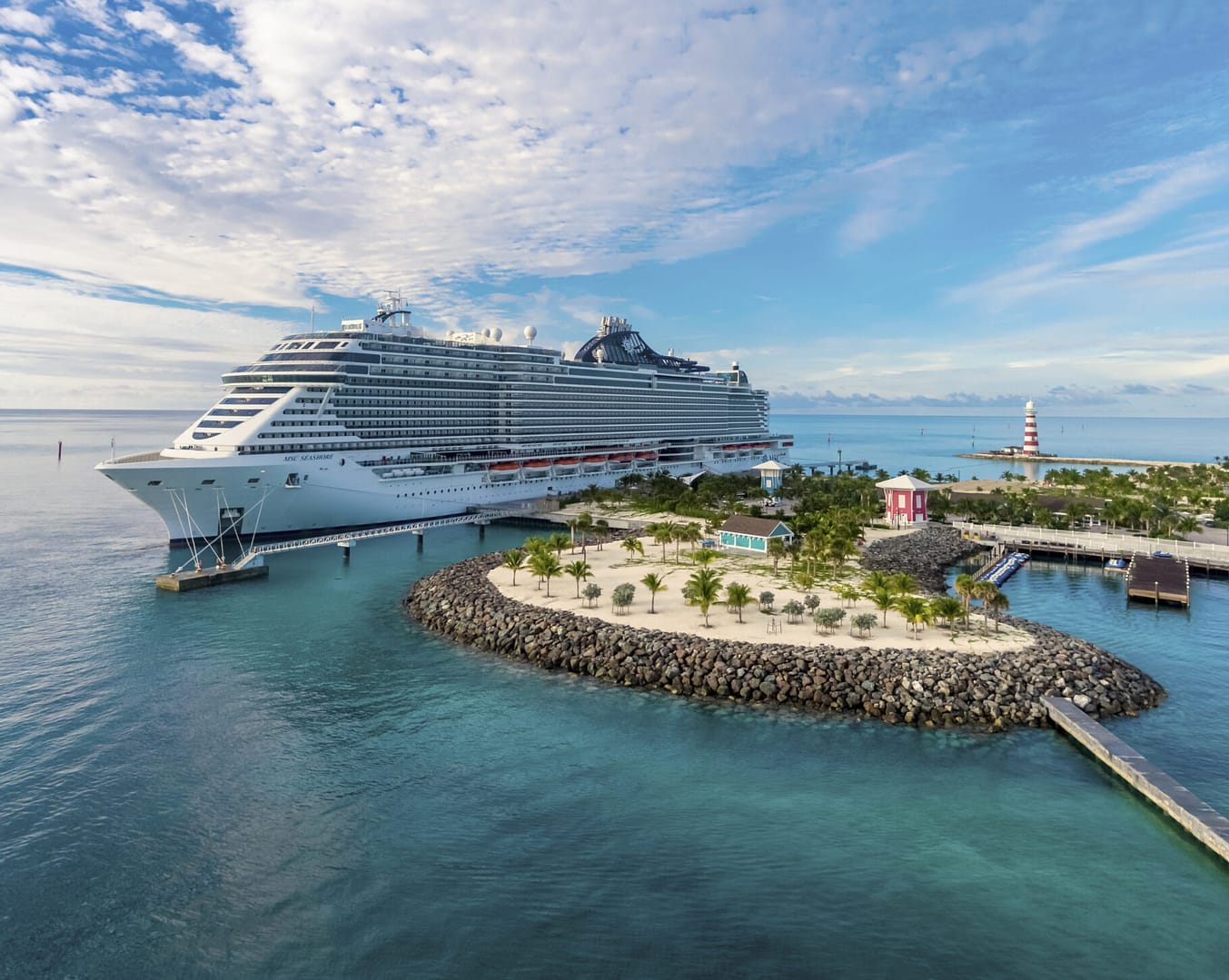
MSC Cruises is making waves this week, and not because of a new ship launch or some shiny onboard entertainment upgrade. Instead, the cruise line quietly rolled out a policy shift that has passengers buzzing: smart glasses — yes, those discreet little AI-powered recording wearables. This new wearable tech is now officially banned on all MSC ships. And not just discouraged… confiscated.
At first glance, you might think, “Well, people film everything on cruises anyway.” And that’s true. Anyone who’s sailed recently knows the routine: phones out for a sunset selfie, cameras rolling for belly-flop competitions, GoPros strapped on during shore excursions. Some cruisers even record their entire dinner like it’s a Food Network audition. But smart glasses hit differently, and MSC says the privacy stakes are simply too high.
According to the line’s updated luggage policy,
“Devices capable of covertly or discreetly recording or transmitting data (e.g. smart glasses) are not allowed in ships’ public areas.”
That includes Google Glass, Meta/Ray-Ban Stories, AI glasses, and pretty much any wearable tech that can record without being obvious. The specificity here isn’t an accident. MSC wants zero ambiguity. And honestly, it speaks to how rapidly recording tech is evolving.
Now, if you try slipping these into your carry-on, don’t expect a free pass. MSC spells it out: port security has the authority to search guests and confiscate anything deemed dangerous or inappropriate for onboard safety. While smart glasses aren’t exactly weapons, they can be used in ways that raise privacy red flags. Imagine someone walking through locker rooms, spa lounges, or even security checkpoints while secretly recording. That’s the kind of thing MSC wants to get ahead of before it becomes a headline-worthy mess.
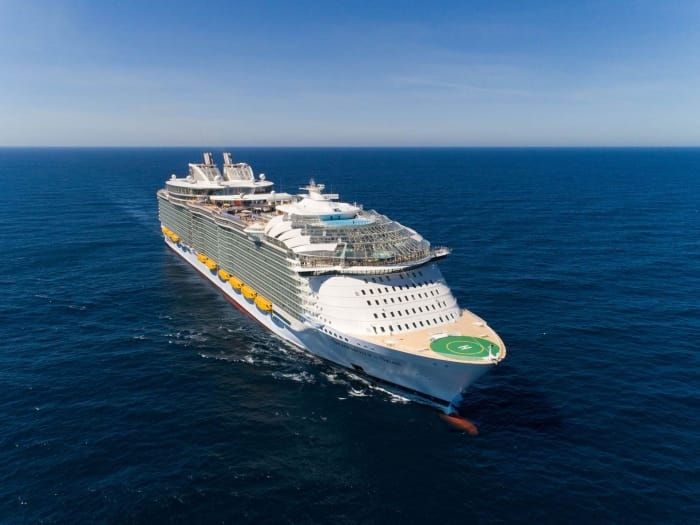
There’s also the content creator angle, and as bloggers, vloggers, and SEO-driven storytellers, we know this world well. Some creators chase viral moments the way kids chase ice cream trucks. And unfortunately, that can mean staging incidents or filming drama in hopes of grabbing views. With wearables being so discreet, security might not catch questionable filming fast enough to intervene. That’s a legit concern, especially after the recent incident on Royal Caribbean’s Harmony of the Seas, where two livestreamers were kicked off the ship in Roatán after a fight that many believe was staged for clicks. No smart glasses were involved, but the potential is there as technology gets sneakier.
From a liability standpoint, MSC is also covering its bases. If a guest is filmed without consent, especially in a private or semi-private area, it could open the door to lawsuits. By banning the tech outright, they’re drawing a bold line between what’s acceptable and what crosses into forbidden territory.
What’s interesting is that MSC is the only cruise line, at least for now, to take such a hard stance. Carnival, Royal Caribbean, Norwegian, Disney — none have bans in place. But cruise line policies change the way the tides do, constantly shifting in response to new challenges. With wearable tech booming, it wouldn’t be surprising to see others follow MSC’s lead in the coming months.
For travelers, especially those who create content for a living, the takeaway is simple: check your cruise line’s prohibited items list before sailing. Policies evolve, sometimes quietly, and you don’t want port security pulling your gear before vacation even begins.
Smart glasses may be convenient, even kinda cool, but when it comes to cruising, MSC is making it clear—they’re choosing privacy and peace of mind over the risks of sneaky recordings. And honestly? In a world where everything is filmed, posted, and shared in seconds… a little privacy at sea doesn’t sound so bad.