Are Mega-Ships Breaking the Cruise Experience?
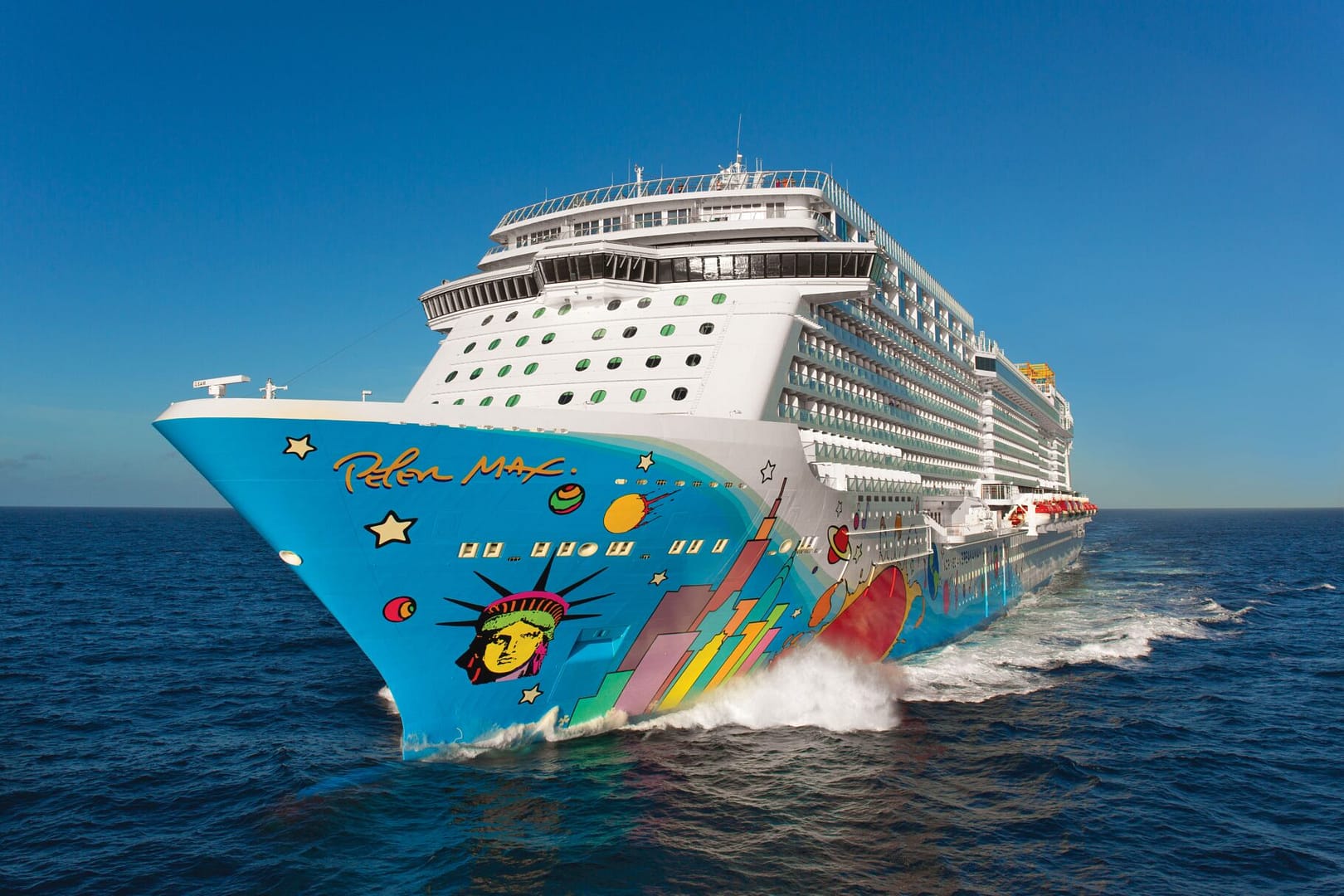
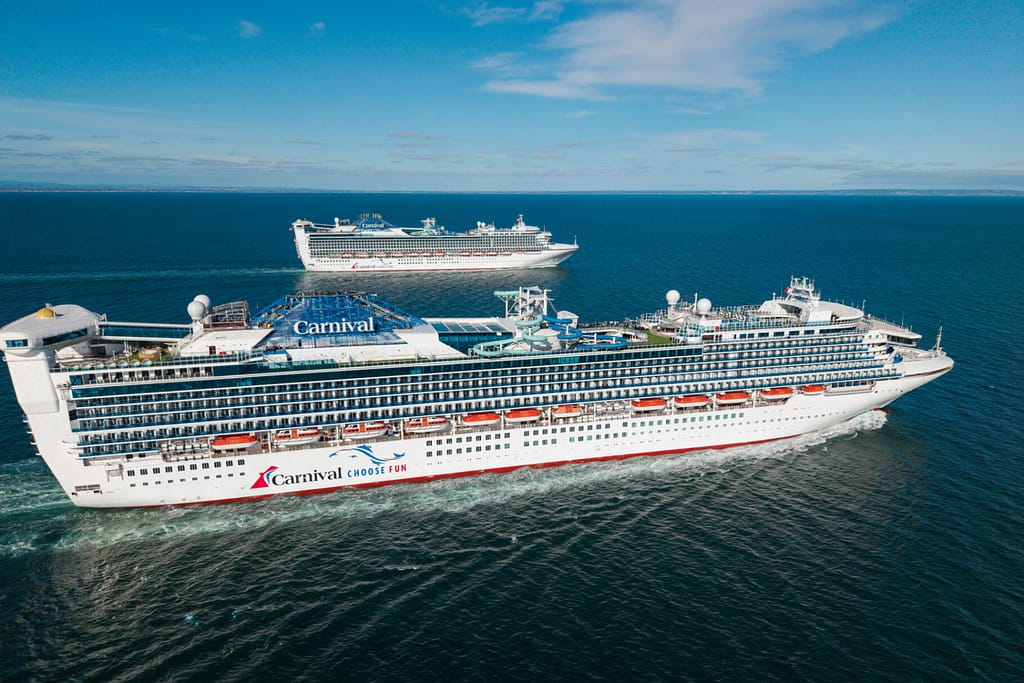
Walk onto a brand-new mega-ship and the first reaction is pure awe. Multi-deck atriums stretch skyward, roller coasters twist above the top deck, and entire “neighborhoods” replace simple hallways. Then, about ten minutes later, reality hits. Lines everywhere. Elevators packed. Pool chairs gone before breakfast. The question cruising fans and industry insiders are asking right now is blunt: are mega-ships getting too crowded, or is the only answer to cruising’s booming popularity to keep building more of these behemoths?
Mega-Ships by the Numbers
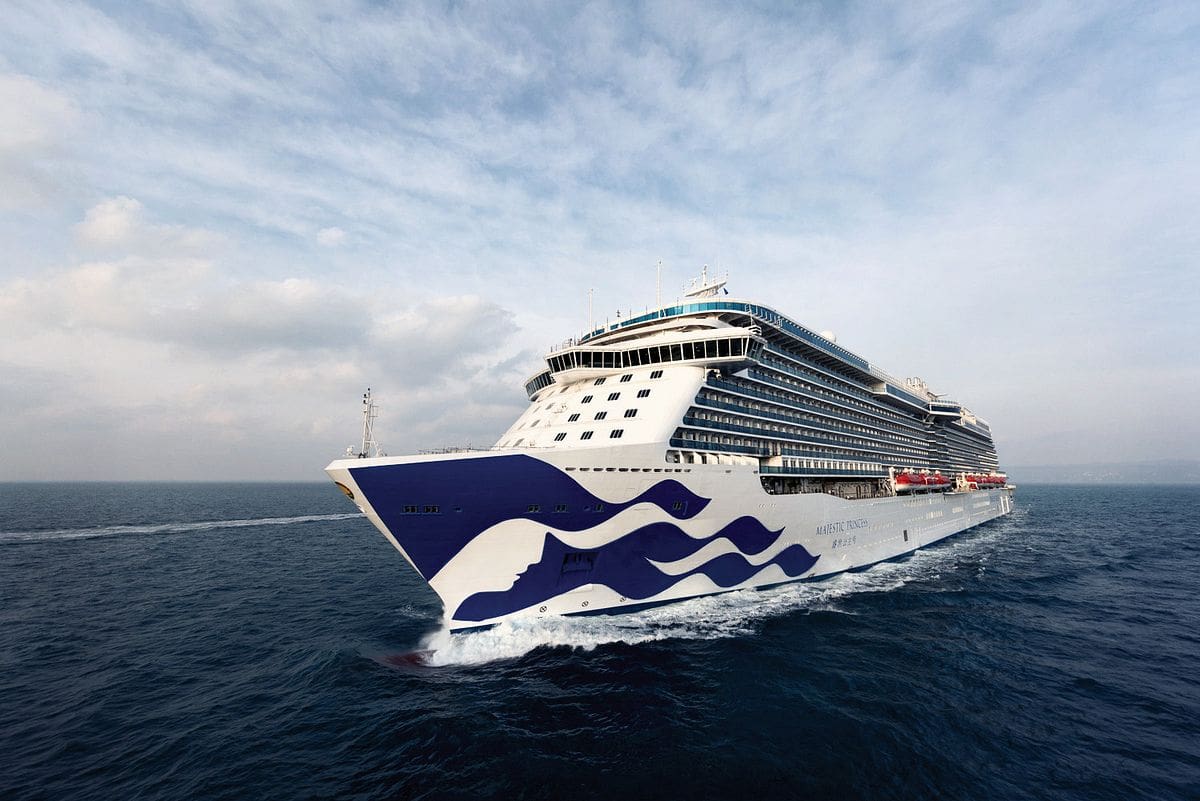
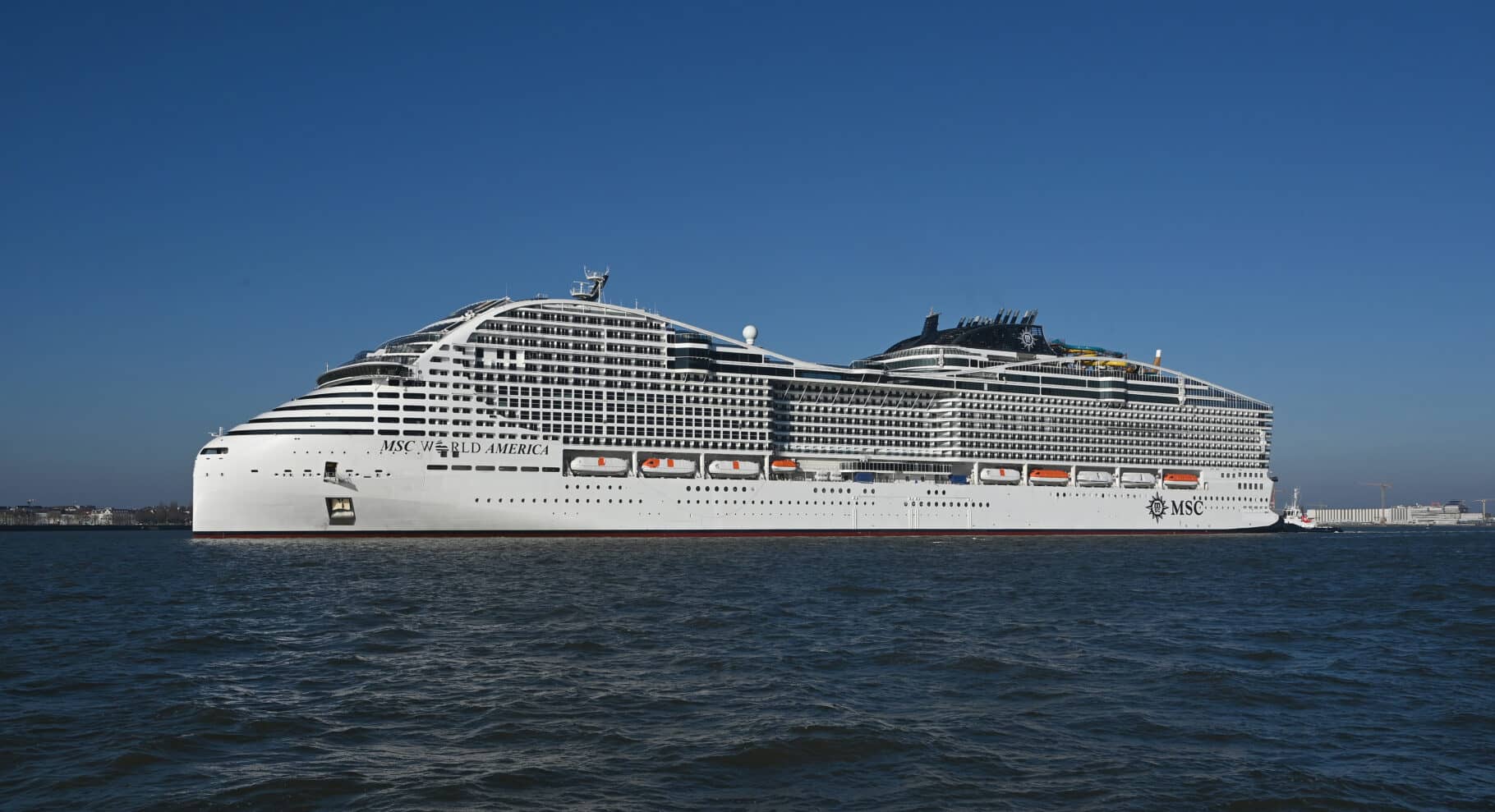
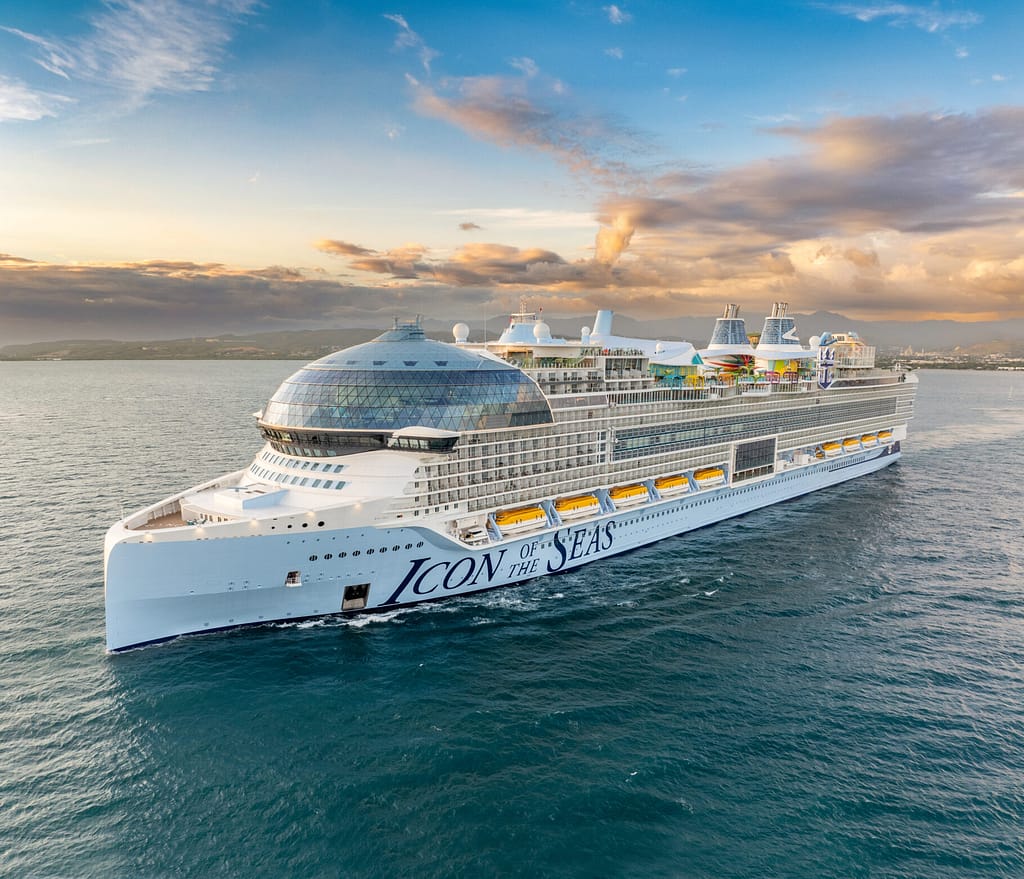
Cruise ships have exploded in size over the last decade, and there’s no sign of the brakes being tapped. Royal Caribbean’s Icon of the Seas carries roughly 7,600 passengers at full capacity. Carnival has publicly discussed ships pushing toward 8,000 guests by 2029. MSC World America brings 6,762 passengers across 22 decks. And here’s the kicker: the global cruise order book stretches to 2036, with 77 more mega-ships currently on order.
This isn’t a passing phase. It’s a full-blown strategy.
Cruise lines insist they’ve cracked the overcrowding code. Neighborhood-style ship layouts. Staggered embarkation times. AI-driven crowd management. More than 40 dining venues onboard some ships. The industry line is consistent: bigger ships don’t mean more crowding—they mean more space per passenger. More pools. More bars. More entertainment options. More corners to disappear into and relax.
On paper, it sounds convincing. In practice? Cruisers tell a different story.
Why Crowds Still Feel Overwhelming
Here’s the issue. While ships keep getting bigger, passenger behavior hasn’t changed much. Most guests still want dinner between 6 and 8 p.m. Sea days still funnel everyone toward the pool. Port mornings still peak between 9 a.m. and noon. So even with dozens of venues onboard, crowds concentrate in the same places at the same times. That’s not poor design—it’s predictable behavior.
Ask people who’ve sailed these ships and the complaints are familiar. Long walks between venues that turn casual plans into full workouts. Pool decks packed shoulder-to-shoulder on warm sea days. Dining and entertainment locked behind reservation systems that feel more like a theme park than a vacation. Miss the booking window, and you may spend 90 minutes waiting while thousands of other passengers chase the same idea.
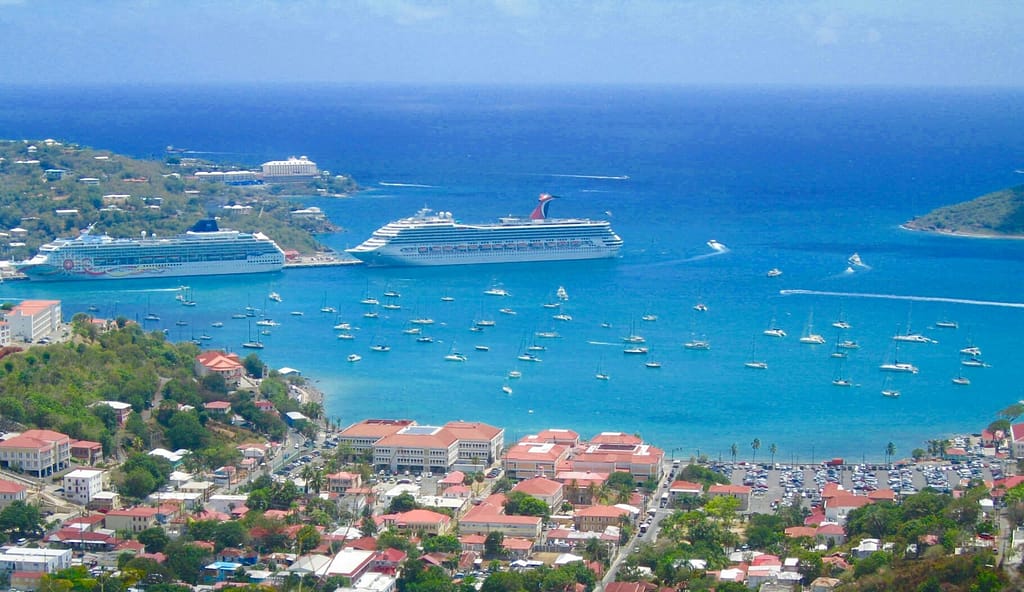
Ports only amplify the issue. When multiple mega-ships dock on the same day, destinations feel the strain immediately. Beaches crowd out. Roads jam with excursion buses. Local infrastructure buckles under the sudden surge. Even stunning ports can feel overwhelmed, which affects both visitors and the communities hosting them.
The Cruise Industry’s Dilemma
That leaves the industry at a crossroads.
One path is a return to smaller or mid-size ships, where crowd control is easier and the experience feels more personal. Premium and luxury lines already cap passenger counts for this reason, and their consistently high satisfaction scores suggest the model works.
The other path is counterintuitive: go even bigger. Spread 8,000 passengers across 25 decks. Add 60 restaurants. Build multiple pool zones and entertainment hubs. The idea is to dilute the crowd by sheer scale.
Cruise lines argue mega-ships are already more efficient. Newer vessels use crowd-flow modeling, wider promenades, and distributed venues to reduce bottlenecks. Royal Caribbean has pointed to its Oasis-class ships as proof that smart design can outperform smaller, older vessels. The logic isn’t wrong, but it’s not foolproof either.
Neither option is simple. Mega-ships are profitable, fuel-efficient per passenger, and wildly popular with first-time cruisers. But once a vacation starts feeling stressful, people remember. And no amount of infinity pools or LED screens can fix that.
Can Bigger Ships Actually Fix the Crowd Problem?
Some experts argue the answer isn’t fewer ships, but smarter deployment. Instead of stacking capacity onto single sailings, cruise lines could add more departures, spread ships across more homeports, and diversify itineraries. Think secondary ports, longer stays, or overnight calls. That relieves pressure without killing demand. It’s less flashy, sure, but way more sustainable.
At the end of the day, overcrowding isn’t just about numbers. It’s about flow, timing, and expectations. So the real question remains: are mega-ships already too big for their own good, or do they need to get even bigger to truly handle the crowds? How the cruise industry answers that may shape the future of cruising itself.