Cruise Shore Excursion Hacks: How to Maximize Your Day in the Caribbean
Ever felt like your Caribbean port day was over before it even started? You’re not alone. Most cruisers only scratch the surface when it comes to exploring the islands. With limited hours in port and overwhelming options, planning can feel like a vacation in itself. But here’s the truth: with the right hacks, you can transform your cruise shore excursion into the highlight of your entire trip.
According to Cruise Critic, over 70% of travelers say their shore excursions are the most memorable part of their cruise. Whether you’re a first-timer or a seasoned sailor, these insider tips will help you skip the tourist traps, save money, and see the best of the Caribbean — your way. Get ready to make every second count on land!
Pre-Booked Shore Excursion vs. On-the-Spot Tour
When it comes to shore excursions, there are two main routes: book ahead or wait until you’re in port. We’ve done both, and each has its place — but knowing when and how to choose makes all the difference.
Cruise Line Excursions
Cruise line excursions are the most convenient and safest option when it comes to timing. If your tour runs late, the ship will wait or the cruise line will arrange transportation to the next port. These tours are tightly coordinated with the ship’s schedule and use vetted operators. But convenience usually comes at a premium. In Grand Cayman, we heard some guests complain that their ship-sponsored snorkeling tour felt rushed and overcrowded, with just 30 minutes in the water.
Third-Party Tour Groups
Independent vendors, on the other hand, often offer smaller group sizes, more flexibility, and better pricing. In St. Thomas, we booked a SeaTrek and beach day combo through a third-party vendor. The experience was more relaxed, with just eight people on the dive and a laid-back beach stop afterward.
That said, you have to do your homework. Some experiences, especially those with limited slots — like small-group waterfall hikes or semi-submarine reef tours — should be booked well in advance. For lower-demand options, such as beach days or casual city tours, it’s fine to wait and book on the spot, especially if weather is uncertain.

There are several trusted websites and apps we rely on: Viator, Shore Excursions Group, and GetYourGuide are all solid platforms that cater specifically to cruise passengers. Some even offer guarantees that you’ll make it back to the ship on time or they’ll pay your way to the next port.
Before booking, always check recent reviews, especially ones from other cruisers. Look for comments on timing, guide knowledge, and how smoothly the return to port went. On TripAdvisor or Google, I filter by “most recent” reviews — anything over six months old might not reflect current operations. And make sure the operator lists safety policies, group size, and refund options. If a company avoids those details, that’s a red flag.
In short, if timing, reliability, and zero stress are your priority, cruise line tours are a safe bet. But if you’re willing to research a bit and want more flexibility and value, independent vendors can offer a better experience overall — just be smart about when and how you book.
Timing is Everything: Optimize Your Port Day Schedule
Maximizing your time onshore during a Caribbean cruise comes down to one critical factor: understanding and planning around your port schedule. You may want to “live like a local” and slip into island time, but cruise lines stick to tight timelines. If you’re not careful, it’s easy to miscalculate just how fast the day goes.
We learned this firsthand in Cozumel after renting a motorcycle to explore on our own. The ride was incredible — ocean views, open roads, and the freedom to stop wherever we wanted. But we underestimated the time it would take to circumnavigate the island. Once we finally arrived back in town, we still had to return the bike, walk back to the pier, and go through security. We made it back just in time, but we’ve been far more intentional about time buffers ever since.
Now, we start by reviewing both the scheduled arrival and all-aboard times — then we subtract 30–45 minutes on each end to allow for disembarkation delays and reboarding procedures. This gives us a realistic window to plan around.
Best Time to Disembark
Avoiding the early morning crowd is helpful, especially at tender ports. Disembarking about 30 minutes after the initial rush often means shorter taxi lines and a more relaxed start. But if you wait too long, shared taxis — common in places like Nassau and Ocho Rios — may no longer have enough riders to trigger a group rate, meaning you could get stuck paying for a private fare.
Know Your All Aboard Time
Clarifying whether your excursion operator follows local time or ship time is essential. Some islands are an hour ahead or behind, and that small difference can lead to major confusion. We’ve seen simple time mix-ups result in cruisers missing their ship — a mistake that’s completely avoidable with a quick confirmation before you leave the pier.
We always manually set our phones to ship time and disable automatic time updates. It’s one of the simplest ways to stay on track. For extra peace of mind, schedule three alarms: one as a midway check-in, another for when you need to start heading back, and a final “drop everything” alert as your absolute cutoff.
Budgeting for Transportation Back to Port
Transportation is one of the most overlooked parts of port planning, especially if you’re exploring independently. If you’re more than 15–20 minutes from the pier, plan to head back at least 90 minutes before the all-aboard time. It might sound excessive, but that buffer accounts for delays, traffic, and even issues like flat tires or detours.
If you arrive early, you’re not wasting time — you’re giving yourself room to explore. We often use that extra 30–60 minutes near the port to grab a snack, do some quick souvenir shopping, or relax with a cold drink. In St. Thomas, we spent our buffer time trying local food and picking up handmade crafts just a few steps from the pier.
Building in buffer time means finishing your day relaxed, not rushed. That’s a far better memory to bring back onboard.

How to Explore Authentically and Avoid the Tourist Traps
One of the biggest mistakes we made on our first few cruises was wasting port time stuck in crowded, overpriced “tourist zones” that didn’t reflect the island’s real culture. If the first thing you see after disembarking is a Diamonds International or a sign that says “duty-free,” chances are you’re in a tourist trap.
Tourist traps tend to be conveniently located right near the cruise terminal, offer inflated prices, and feel a bit manufactured. I’ve been to ports where every vendor sells the same five souvenirs, and everyone’s pointing you to the same “recommended” beach — usually the one packed with other cruise passengers. There’s nothing wrong with those places if you want easy access and convenience, but if you’re hoping to get a taste of real island life, you’ll want to go beyond that first row of shops.
Finding Local Gems
One of the best ways I’ve found to explore more authentically is to connect with local guides or small businesses ahead of time. Private or small-group tours offer more flexibility and often deliver a richer experience. Large group tours tend to follow a script. When we toured a family-run cultural center in Nassau, our small group was able to ask questions, explore at our pace, and even meet the artisans.
Social media and forums are great for finding hidden gems. Reddit, cruise Facebook groups, and YouTube vlogs often feature up-to-date, firsthand tips. We search phrases like “non-touristy things to do in [port]” or “local beaches in [island name]” to find what other experienced travelers recommend.
A local guide can provide unique experiences that are off the beaten path. You may find yourself at a beach not even listed on most cruise maps, with a fantastic snorkeling reef almost entirely to yourselves. Same goes for markets — the real local markets are usually a short taxi ride away, not walking distance from the dock.
Small group and private tours almost always offer more value, even if the upfront cost seems a little higher. You get more time, more flexibility, and often better insight from the guide. Large bus tours tend to follow the same scripted stops, and your experience ends up being the same as everyone else’s.
Budget-Friendly Hacks for Big Adventures
You don’t have to spend a fortune to have an amazing day in port — some of my favorite shore excursions have cost less than $50, or nothing at all. With a little planning and a few insider tricks, you can stretch your budget without sacrificing the experience.
Free Things to Do in Port
Let’s start with free or low-cost activities near the port. Almost every Caribbean destination has public beaches within walking distance or a quick taxi ride from the cruise terminal. In Nassau, Junkanoo Beach is just a 15-minute walk and offers free access, local food stalls, and music. In Grand Turk, there’s an excellent public beach right near the cruise dock, plus a snorkeling bay just a short walk south that’s perfect for exploring without a tour or fee.

Local museums, churches, and markets can also offer authentic experiences for just a few dollars. The Nassau Public Library and Museum, established in 1837, is housed in a former colonial jail and offers a unique glimpse into the island’s history. In Cozumel, the island museum near the town center gives a great overview of Mayan history for a minimal entry fee. I always search “free things to do near [port]” a few weeks before my trip — you’d be surprised what turns up.
Transportation Costs
When it comes to negotiating with taxi drivers or independent tour operators, be polite but firm. Always agree on the total price before you get in the car or commit to anything. Don’t be afraid to ask, “Is that the best price?” or “Do you offer a group discount?” We’ve saved over 20% off the initial fare offer by calmly asking for a better deal and paying cash. Most drivers are used to bargaining — just keep it respectful.
Best Ways to Pay
Speaking of money, it’s smart to carry small U.S. bills in most ports. While some places accept credit cards, many local vendors (and all negotiators) prefer cash. If you do use a credit card, always select the local currency during checkout — choosing U.S. dollars often triggers hidden conversion fees, even on cards without foreign transaction fees.
B.Y.O.G. (Bring Your Own Gear)
Another budget tip that saves more than you’d think: bring your own gear. A snorkel set costs $25–$35 at home, but rentals in port can be $10–$20 per person, per use. Same goes for beach towels, reusable water bottles, and dry bags. I keep a small “shore kit” in my suitcase with everything I might need. On our last trip to Grand Cayman, we snorkeled a reef right off the beach — no guide, no rental, and it was easily the best value of the trip.
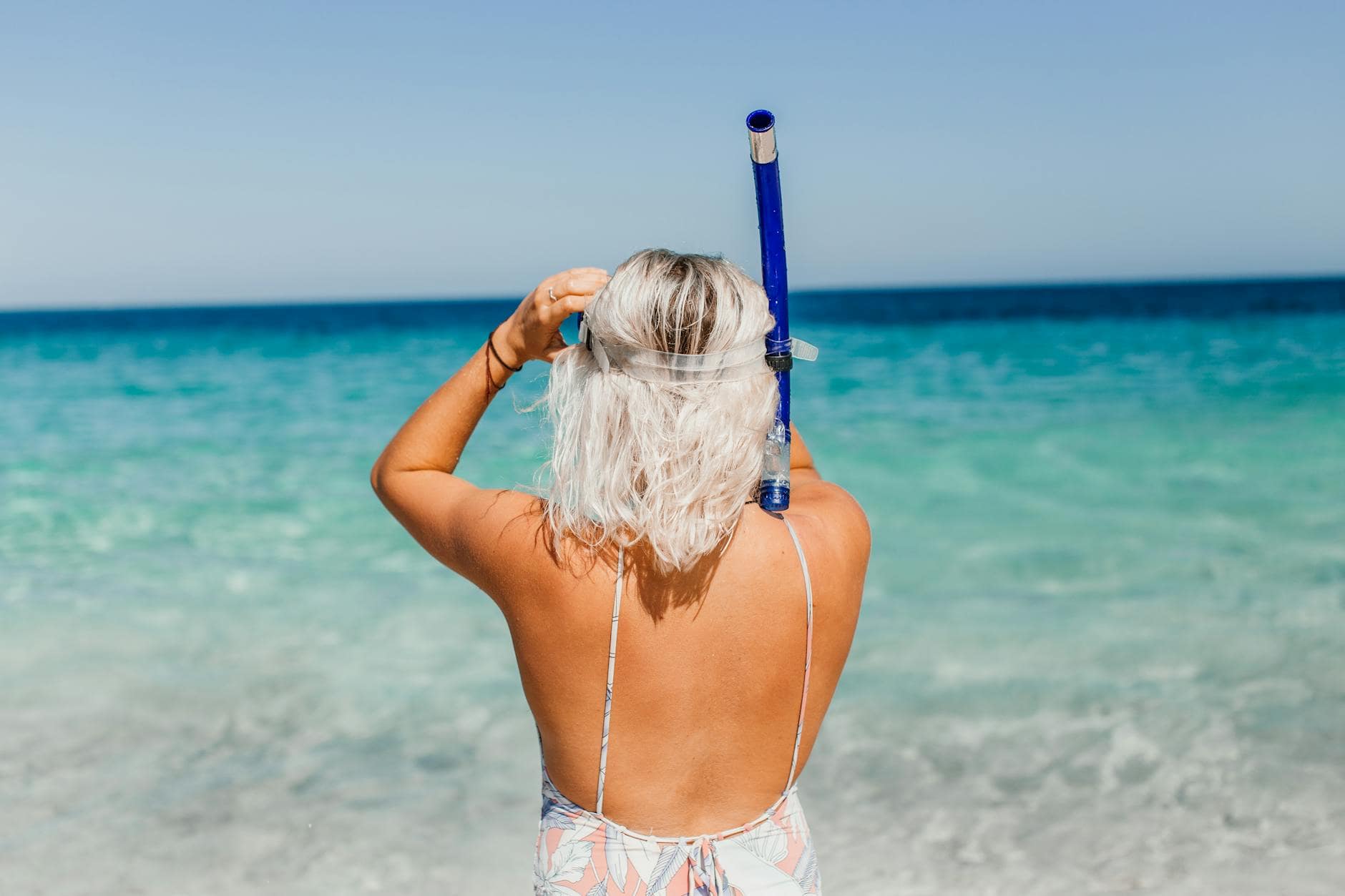
You don’t need to book the most expensive excursion or follow the crowd to make your port day memorable. A little prep, a flexible mindset, and smart packing go a long way in turning your Caribbean cruise into a series of budget-friendly adventures that feel anything but cheap.
Stay Safe, Smart, and Stress-Free
Planning ahead doesn’t just make excursions better — it makes them safer.
Shore Excursion Day Pack
In our day bag, we always carry a copy of our passport (not the original), cruise card, cruise card, $40–$100 in small bills, phone with offline maps downloaded, sunscreen, a reusable water bottle and a first aid kit. Leave anything you can’t afford to lose on the ship, including your passport, expensive jewelry, and extra credit cards. Lost items are common in ports, especially when you’re hopping between taxis, changing clothes, or using public restrooms.
WiFi
To avoid unexpected data charges, we always disable roaming and rely on offline Google Maps, which we download in advance. Free Wi-Fi is often available near the port or in nearby cafés, and apps like WhatsApp or Messenger work just fine over Wi-Fi for quick check-ins. If you want access to mobile data during your trip, consider signing up for an eSim plan from GigSky before you leave. Their service is reliable across most Caribbean ports, and you can explore plan options on their website. Use the code EMBRACETODAY at checkout to save 10%.
Ship Time vs. Local Time
One of the most important — and most overlooked — safety tips is understanding ship time vs. local time. Some ships stay on their own schedule, even if the island is an hour ahead or behind. Always confirm this before heading out, and make sure you’ve manually set your phone to the correct time. I’ve seen more than one couple in a hurry because their phones auto-switched to local time and they thought they had another hour.
In-Port Muster Station
It’s also smart to set a designated meeting point just in case your group gets separated. Think of it as your in-port muster station. We usually pick a clear, central spot near the port entrance and agree on a backup plan if someone’s running late. Snap a photo of the ship’s daily schedule (it’s usually outside guest services) and take a screenshot of your excursion details and emergency contacts.
Don’t Be a Pier Runner!
Now — what happens if you actually miss the ship? If you booked an excursion through the cruise line, they will assist with transport to the next port and cover the cost. If you booked independently, you’re on your own. That’s why it’s essential to keep a credit card, ID, and some cash on you.
If you think you might miss the ship — don’t panic, but be ready to act. While the ship technically won’t wait, the crew doesn’t want to leave anyone behind unnecessarily. Call the port contact number listed in the daily schedule right away. Sometimes, if the captain knows you’re close and there’s a valid delay, he can hold departure by a few minutes. The crew maintains a real-time headcount and knows who’s still ashore.
Once, when we had a late boarding time and most passengers had returned early, we were surprised to get a call from the ship’s crew as we approached the gangway. They had noticed we hadn’t scanned back onboard and wanted to confirm we were on our way. That kind of proactive communication can make a big difference — but only if you’re reachable and you’ve kept track of time.
In the end, shore excursions should be exciting, not anxiety-inducing. By packing smart, keeping track of time, and knowing a few emergency protocols, you can enjoy your day on land stress-free and safely — and make it back onboard with plenty of time to spare.
Enjoy Your Port Calls
You don’t have to be a cruise veteran to enjoy the perfect port day. By planning smart, embracing local culture, and making savvy choices, you can create unforgettable memories in the Caribbean — without breaking the bank or missing the boat. Whether you’re chasing waterfalls in Jamaica or sipping rum punch in St. Thomas, use these hacks to turn your shore excursions into full-blown island adventures. Bon voyage!