Why Cruise Dress Codes Feel Out of Date
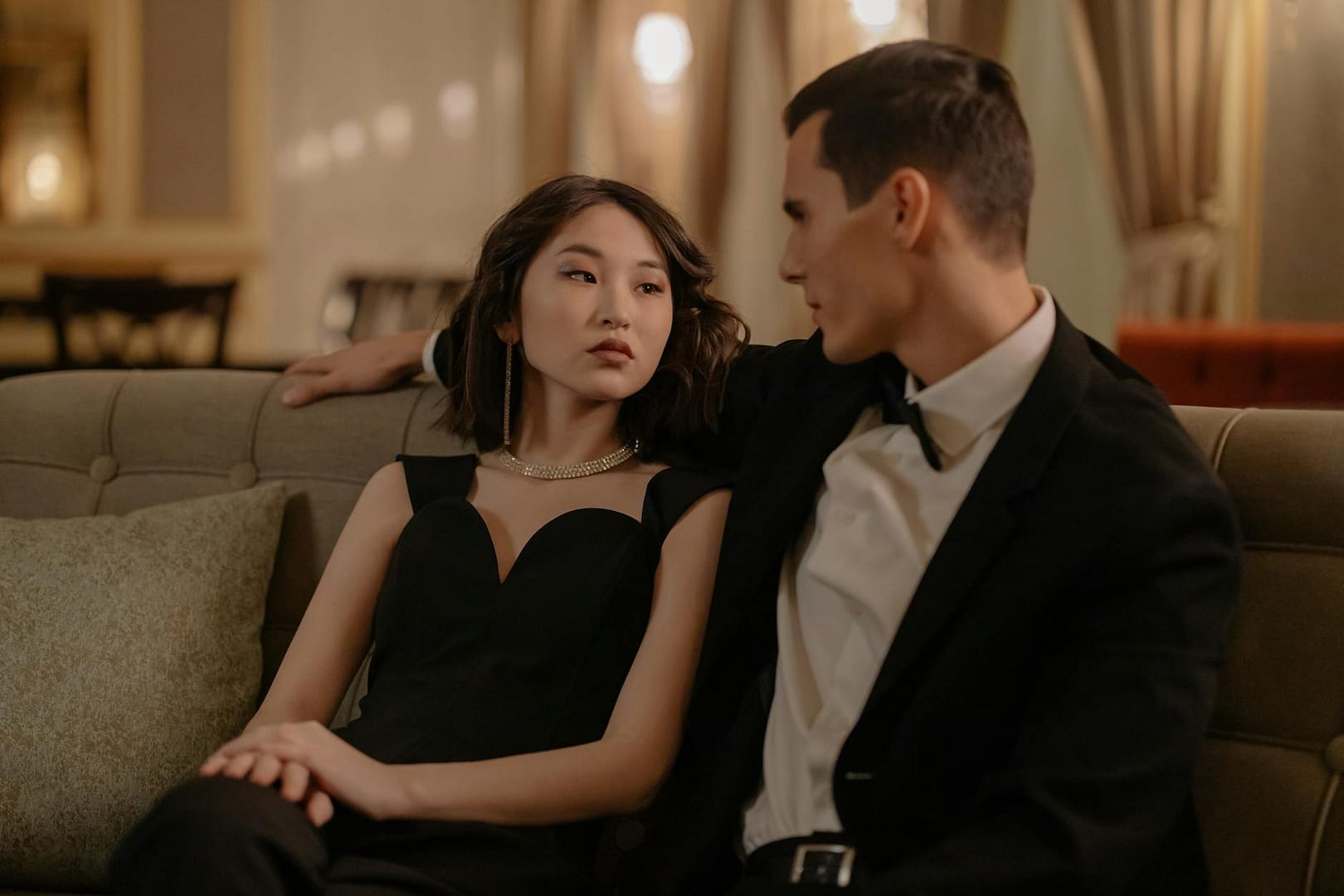
For decades, formal night has been treated as a sacred cruise tradition. The tuxedos, the sequined gowns, the dramatic stairway photos. But as cruising evolves and a new generation of travelers boards mega-ships with surf simulators and robot bartenders, one question keeps popping up: should formal nights be scrapped entirely?
Is Formal Night Still Worth the Effort?
Supporters of formal night say it’s one of the last remaining links to cruising’s glamorous past. On most mainstream cruise lines, formal or “elegant” nights happen once or twice per sailing, usually tied to sea days. For many guests, it’s a rare chance to dress up without the pressure of a wedding or black-tie fundraiser.
There’s also the photo factor. Cruise ships are packed with professional photographers, and formal night is when they make their money. Grand staircases, atriums glowing with chandeliers, and sharply dressed couples create images people actually frame when they get home. For some passengers, those photos alone justify packing the suit.
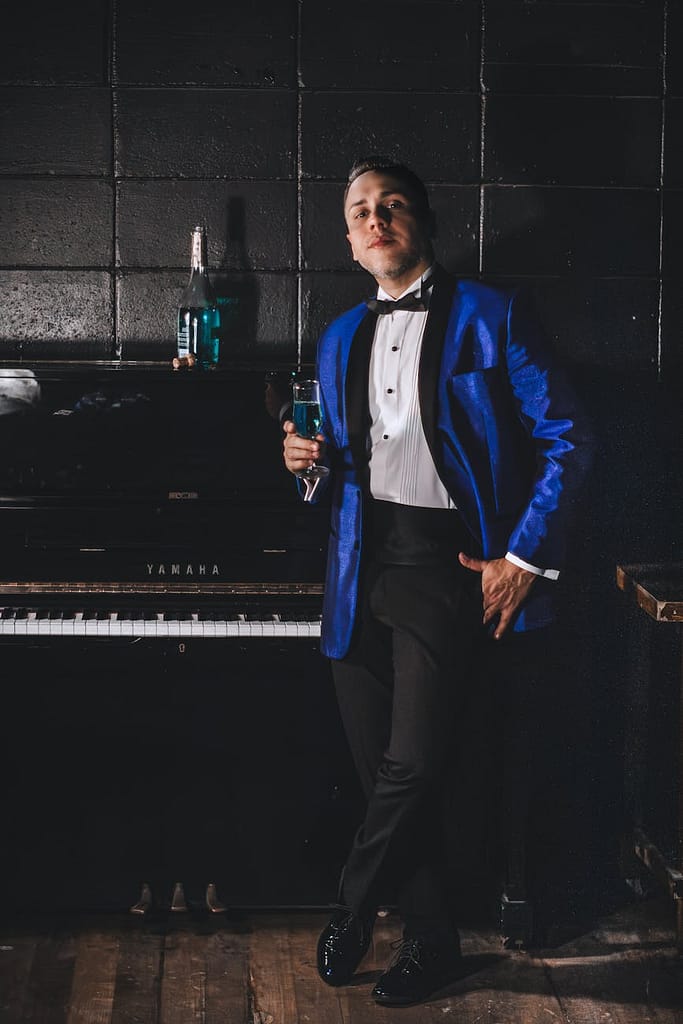
Formal night also feeds into the perception of cruising as an upscale vacation. Even budget-conscious travelers often say they enjoy the elevated vibe, at least for one evening. Dining rooms feel quieter, service feels more polished, and the whole ship leans into that “special occasion” energy.
The Growing Pushback From Modern Cruisers
But here’s where the cracks show. Formal clothes take up valuable luggage space, and cruise cabins aren’t exactly known for generous storage. When you’re choosing between a blazer you’ll wear once and an extra pair of sneakers, the math gets pretty simple.
Cost is another sticking point. Not everyone owns formalwear, and buying an outfit just for one dinner can feel wasteful. This hits families especially hard, where multiple outfits might be required for kids who’ll outgrow them before the next sailing.
When Dress Codes Aren’t Enforced, Do They Matter?
Then there’s the enforcement issue. Let’s be honest, the dress code is barely enforced anymore. Walk into a formal-night dining room and you’ll see tuxes next to polos, cocktail dresses next to jeans. Cruise lines say “formal,” but what they often mean is “please don’t wear flip-flops.”
That inconsistency frustrates both sides. Guests who go all out feel awkward when seated next to someone in shorts. Meanwhile, casual cruisers feel judged for ignoring a rule that doesn’t seem to matter anyway.

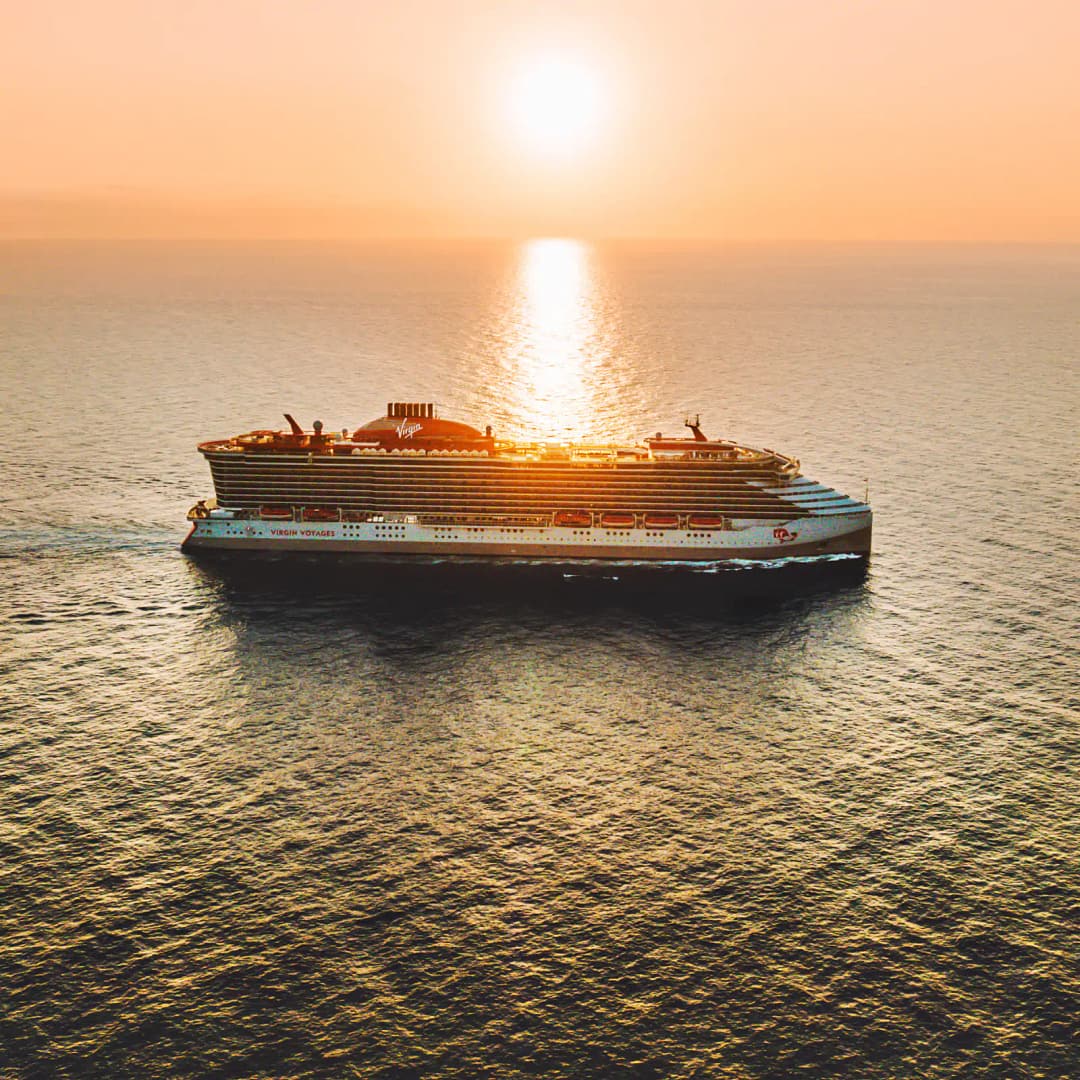
Cruise industry trends suggest change is already happening. Many lines have softened their language, swapping “formal night” for “dress your best” or “evening chic.” Virgin Voyages ditched the concept entirely, and their bookings didn’t suffer. In fact, younger cruisers often cite relaxed dress codes as a selling point.
Still, eliminating formal nights altogether could alienate loyal repeat cruisers who cherish the tradition. These are often the same guests who book specialty dining, buy photo packages, and sail multiple times a year. Cruise lines notice that.
How Cruise Lines Are Quietly Changing the Rules
So what’s the compromise? Some experts suggest optional formal zones or designated photo hours rather than ship-wide expectations. Others propose theme nights that feel fun rather than rigid, like “white night” or vintage glam.
At the end of the day, cruising is about escape. For some, that escape includes dressing to the nines. For others, it’s leaving the dress code behind entirely. The real question may not be whether formal nights should disappear, but whether cruising can finally admit that one size no longer fits all.