Why Expedition Cruising Is Adventure Travel’s Fastest-Growing Trend
There’s a quiet shift happening in the travel industry, and it’s not coming from mega-ships with roller coasters. It’s happening on vessels small enough to slip between ice floes, mangrove roots, and limestone karsts without making a sound. Expedition cruising has officially crossed from niche obsession into full-blown trend, and the numbers back it up.
According to industry data from CLIA and expedition operators, demand for small-ship adventure cruises has surged by double digits over the past five years. Post-pandemic travelers aren’t just looking to relax; they want meaning. They want nature, wildlife, and bragging rights that go beyond a pool selfie. And they want it without sacrificing comfort. That’s the sweet spot expedition cruises are absolutely nailing right now.
Why Small Ships Matter
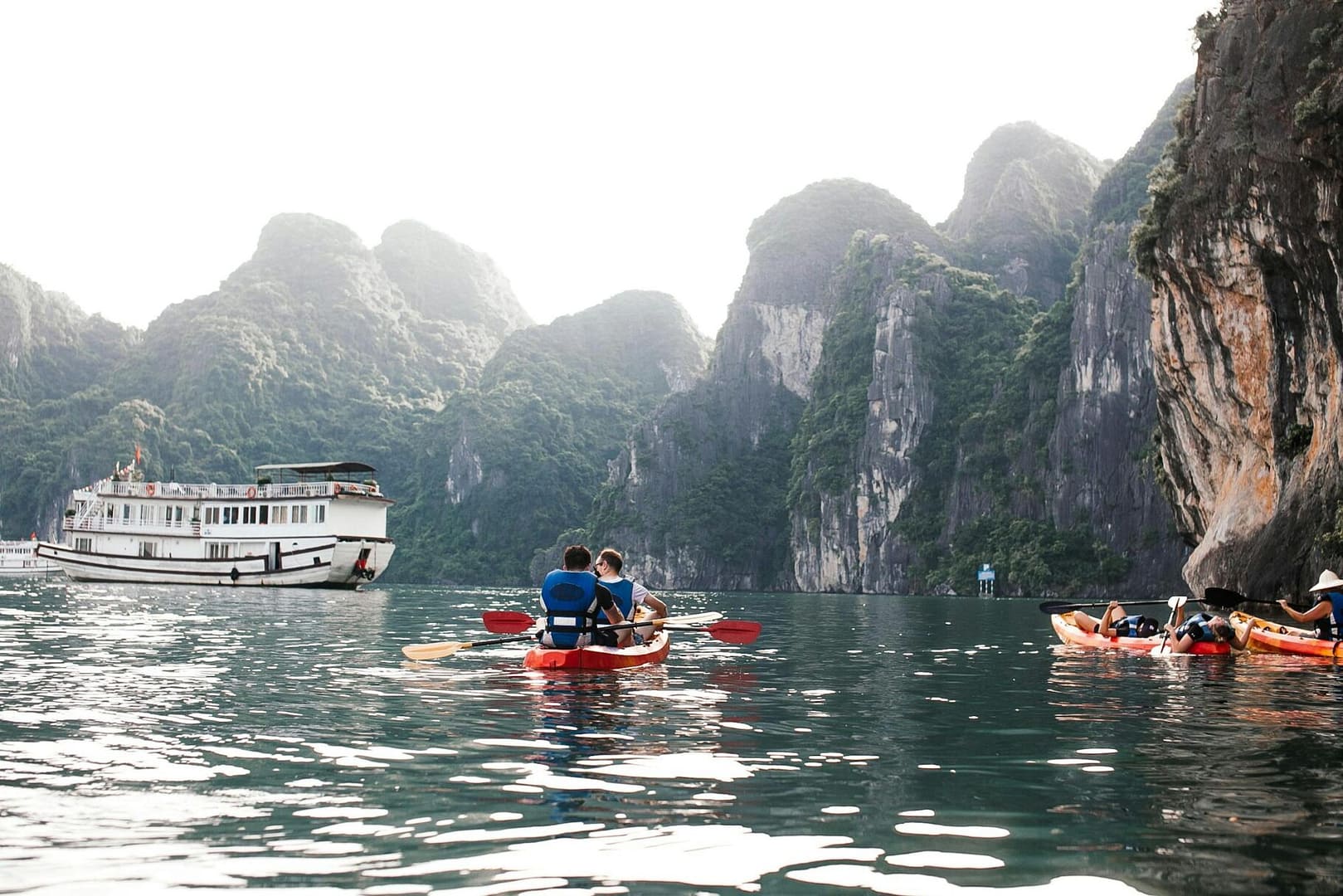
What makes these journeys different isn’t just the destinations — it’s the access. Ships carrying 40 to 200 guests can legally and physically go places massive cruise liners can’t. Narrow Alaskan fjords. Restricted landing sites in Antarctica. Protected Galapagos islands with strict visitor caps. These aren’t drive-by experiences. They’re immersive, boots-on-the-ground encounters guided by naturalists, marine biologists, and historians who know the terrain like a second home.
How Expedition Cruises Protect Fragile Ecosystems
And let’s talk sustainability, because this is where expedition cruising is quietly rewriting the rules. Operators like UnCruise, Quark, and Delfin are investing heavily in low-impact operations. That means dynamic positioning instead of anchors, strict waste management systems, and itineraries designed to support local economies instead of overwhelming them. In places like the Amazon Basin and Alaska’s Inside Passage, that matters — a lot.
Who’s Booking These Voyages? The New Expedition Cruiser
There’s also a demographic shift at play. Expedition cruising used to skew older, the domain of retired scientists and hardcore adventurers. Not anymore. Today’s passengers are often in their 30s to 50s, well-traveled, and hungry for experiences that feel exclusive but authentic. They’re diversifying itineraries with snorkeling, kayaking, polar plunges, and even photography workshops led by National Geographic–level pros. It’s adventure travel, leveled up.
The Bottom Line: A Win for the Wilderness and the Traveler
From an economic standpoint, the pricing reflects the complexity. A $10,000 Galapagos cruise or a $12,000 Antarctic expedition isn’t about luxury fluff. It covers permits, expert staff, specialized ships, and safety protocols that allow humans to enter fragile ecosystems responsibly. When you break it down per day — especially with excursions, flights, and meals included — the value equation starts to make sense.
What’s really fueling the momentum, though, is storytelling. Travelers return from these voyages changed, and they talk about it. They don’t say, “The ship was nice.” They say, “A penguin walked past my boots,” or “I kayaked through ice older than recorded history,” or “A jaguar stared me down at dusk.” That kind of firsthand wonder spreads fast, especially in an era dominated by video, social sharing, and experiential search trends.
Is This Cheating — or Just Smarter Adventure Travel?
Expedition cruising isn’t replacing traditional cruising. It’s carving out its own lane — one defined by access, intention, and jaw-dropping nature. For travelers who want to see the planet’s last wild places without pretending discomfort equals authenticity, this is the future. And judging by the growing fleets and fully booked seasons, that future has already arrived.