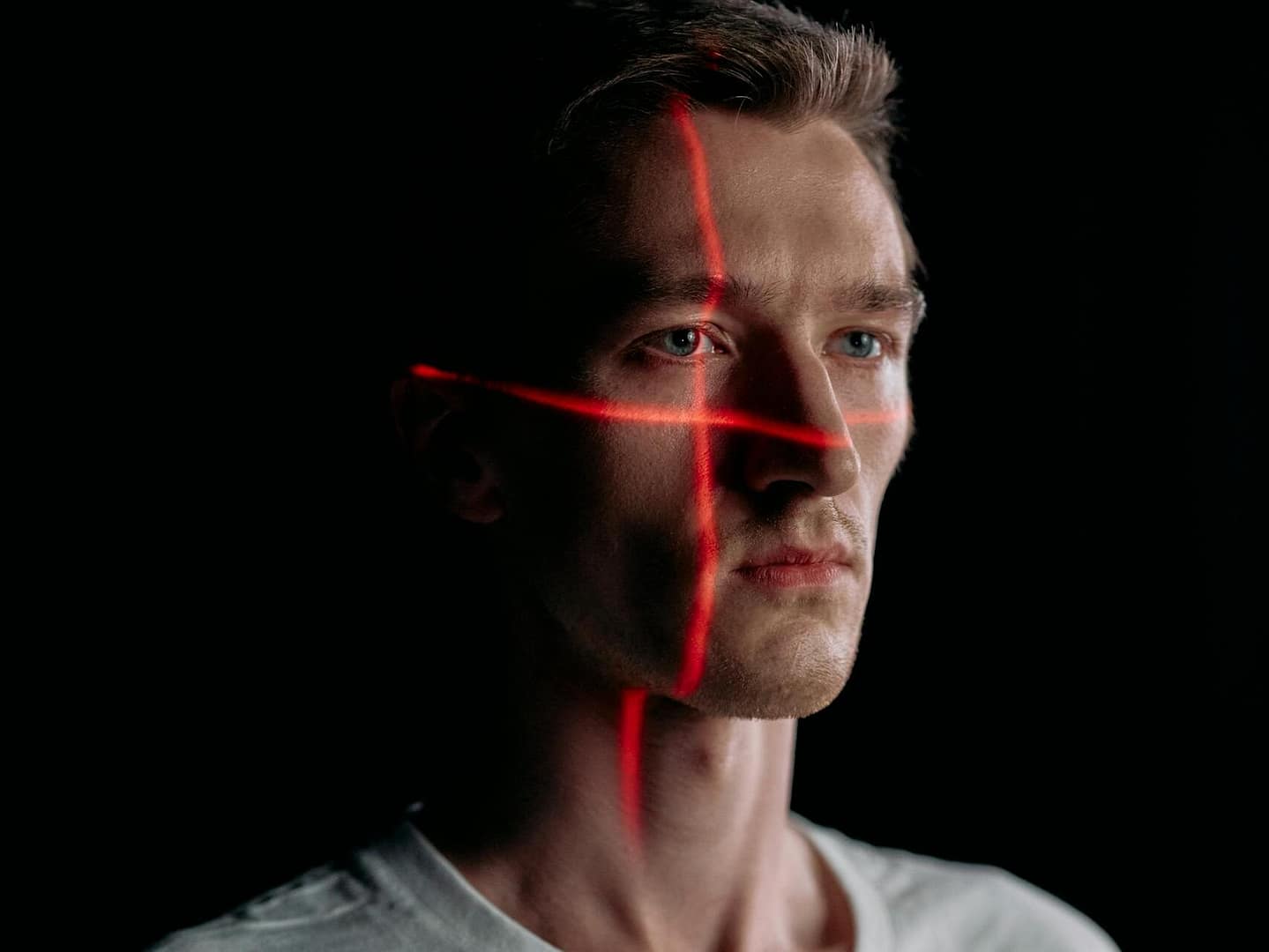
Royal Caribbean Tests Facial Recognition Cabin Doors
Royal Caribbean has never been shy about betting big on cruise technology, but this idea might be one of its boldest yet. Tucked inside a patent called the “Multifunction smart door device” is a future where your cabin door recognizes you before you even reach for the handle. No SeaPass card, no wearable, no fumbling—just your face doing the work.
From Patent Filing to Pilot Program
This isn’t a sudden lightbulb moment either. The patent trail goes back to May 2020, long before “smart cabins” became a buzzword across the cruise industry. After four years in the system, Royal Caribbean Cruises Ltd. officially secured the patent in April 2024, quietly setting the stage for what could be a major shift in how cruise ship staterooms operate.
The timing matters here. When Star of the Seas launched in August 2025, Royal Caribbean confirmed that some form of this smart door technology would enter a pilot phase onboard. According to Chief Product Innovation Officer Jay Schneider, the plan is classic Royal: test, adjust, then scale if it works.
Schneider’s quote from the patent filings cuts straight to the company’s philosophy. “Your face is a better wearable,” he says, and it’s hard to argue when you’ve ever juggled a drink, a plate of snacks, and a SeaPass card buried deep in your pocket in a narrow hallway. Angie Stephen, a Royal Caribbean vice president, backs that up by calling the face an “always-on wearable,” which feels both clever and a little futuristic.
What Makes These Cabin Doors “Smart”?
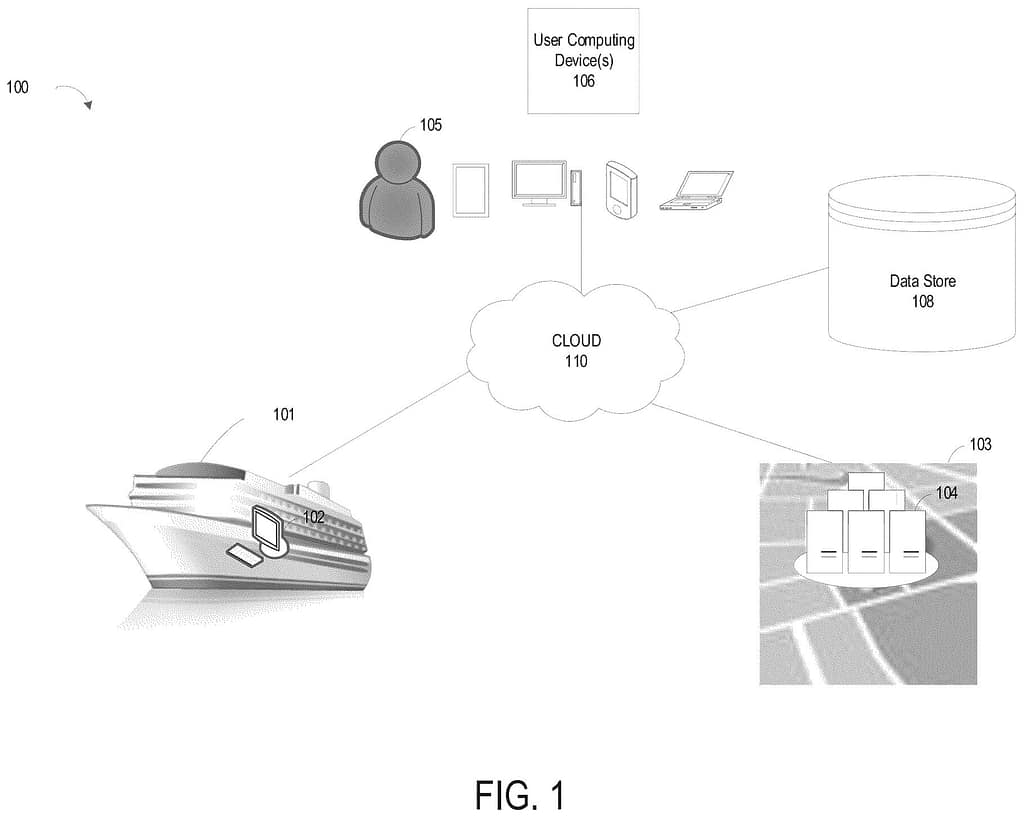
Looking at the patent diagrams, this is clearly more than a fancy lock. A wide-angle camera acts as the “eye” of the door, scanning guests as they approach. The goal is motion-based facial recognition, meaning you don’t have to stop and stare like it’s a mugshot. Royal didn’t forget about backup plans either. A keypad serves as a manual override when tech inevitably has a bad day.
How the Door Works
The door doubles as a control hub for your stateroom. Once recognition occurs, the door becomes a trigger point for the entire stateroom:
- Activates preferred lighting, HVAC, and media
- Powers systems down automatically when the cabin is empty
- Applies settings selectively based on who enters and whether others are already inside
This allows the room to respond differently to solo entry versus shared occupancy.
Remote Access and Digital Peephole
The door also functions as a communication device. Guests can view a live video feed from the door camera through the Royal Caribbean app, effectively creating a digital peephole. If someone approaches your cabin while you’re elsewhere, the system can notify you. You can then grant or deny access remotely, adding both convenience and control.
Security & Crowd Management
This system isn’t just watching for designated occupants, either. Anyone who enters the cabin—housekeeping, maintenance, room service—can be logged for security purposes. In fact, in addition to simple access logs, the door is configured to track anonymized counts of faces passing by and even determine which way they’re moving. This raw flow data (no names attached) can be transmitted to the cruise operator for foot-traffic analysis, potentially helping with crowd patterns, safety planning, and service decisions.
Safety Features
There are safety features built into the door as well. If a cabin door remains open for longer than a preset time, the system can trigger a security alert to the ship’s central server. Thermal imaging sensor used to determine body temperature of a person approaching the door could potentially be useful for health safety assessments. And interior temperature monitoring can be used to for fire detection. During emergency drills, smart door data could help crews identify which guests have exited their cabins. In missing-person scenarios, the system could provide a last known access location based on recognition events.
Long-Term Recognition Across Sailings
Even more intriguing is the long-term memory angle. The patent states that facial recognition data may be retained for future sailings, meaning your next Royal Caribbean cruise could recognize you from day one. That’s frictionless travel taken to the extreme.
Testing on Star of the Seas
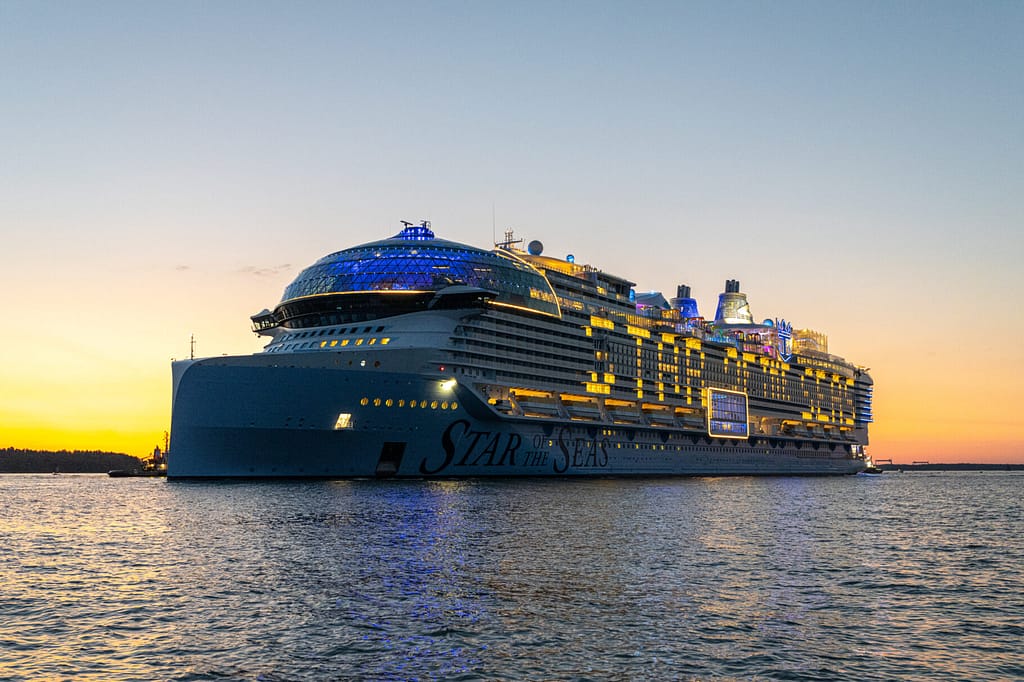
Of course, there are hurdles. Lighting conditions, sunglasses, hats, and privacy concerns all have to be solved before smart cabin doors go fleetwide. A key feature is the confidence score—a value indicating how certain the system is about a facial match. This reduces false positives and strengthens cabin security. With Star of the Seas already testing the waters, it’s clear Royal Caribbean is serious about making the plastic SeaPass card feel a little… outdated.