A main dining room controversy is simmering aboard cruise ships everywhere, and trust me, this one has hit a nerve with both seasoned cruisers and first-time guests. What started as a single dining complaint has snowballed into a full-blown debate about cruise etiquette, passenger entitlement, and what “all-inclusive dining” really means at sea.
Send it Back AGAIN??
Here’s the scene. An MSC Cruises main dining room. Busy night. Servers hustling, trays flying, orders stacking up. At one table sits a male passenger who, according to multiple accounts, sends back at least one dish every single night of the cruise. Not occasionally. Not once in a while. Night after night like clockwork.
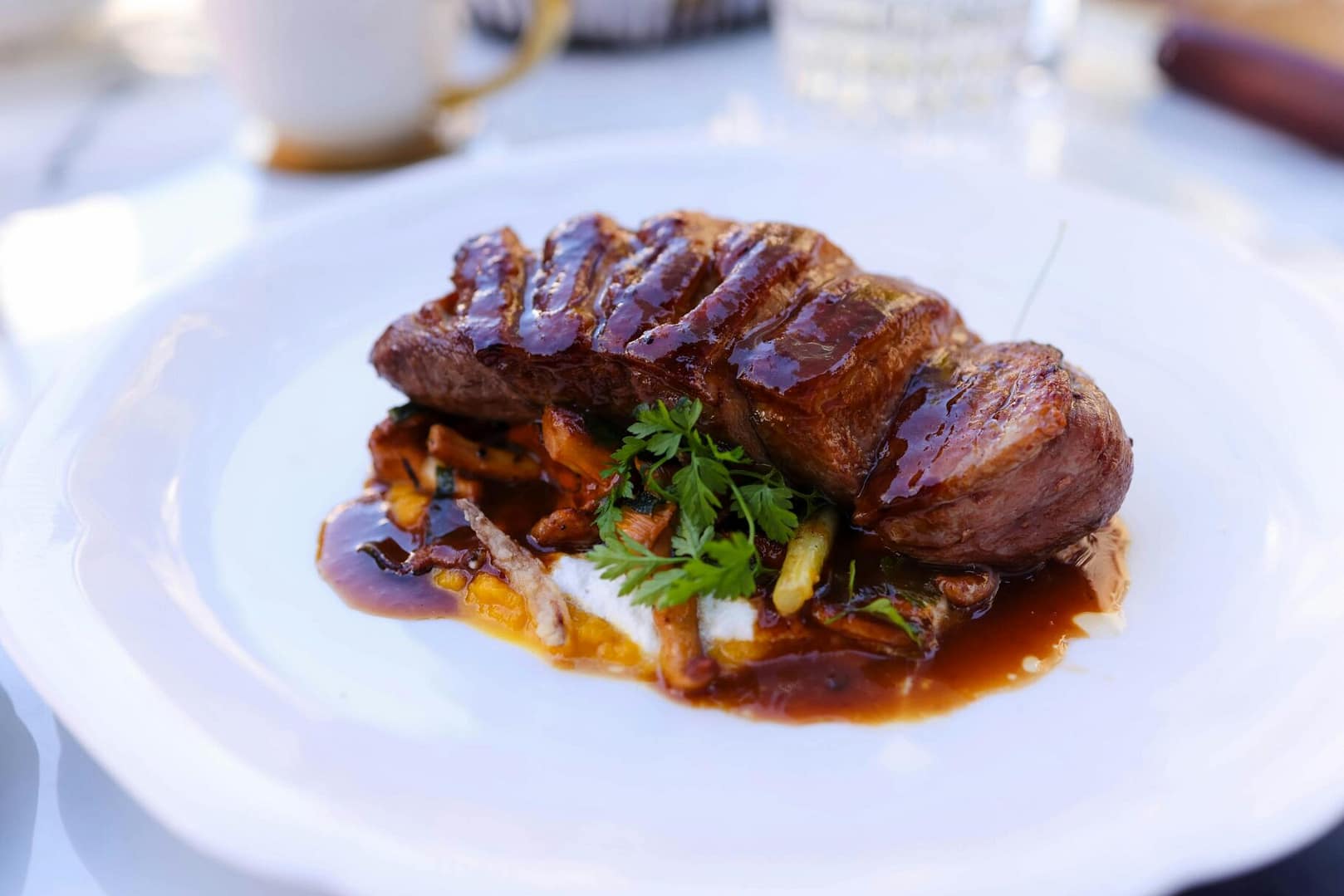
First, it’s the soup. “Not piping hot.” Back it goes. Then the entrée arrives, only to be deemed “barely warm.” That goes too. Then comes the curveball—he wants something else entirely, while his server is already juggling half a dozen other tables. Rinse and repeat. Every. Single. Evening.
His justification is what’s really igniting the cruise community. “I paid for unlimited dining,” he argues. “If it’s not restaurant-quality perfect, I shouldn’t have to accept it. The servers are paid to bring proper food. That’s literally their job.” And just like that, the internet lost its collective mind.
The Debate Over Customer Rights
Supporters of the passenger argue that this is exactly how customer service is supposed to work. A cruise fare isn’t cheap, and by the time gratuities, drink packages, and excursions are added in, many guests feel they’ve paid a premium for a premium experience. In their eyes, food temperature isn’t a minor detail — it’s a basic standard. If a dish arrives lukewarm, especially in a main dining room that’s marketed as a sit-down, full-service restaurant, they believe sending it back is completely justified. They see it as no different than returning an undercooked steak or cold soup at any land-based restaurant.
There’s also the argument that cruise lines themselves set these expectations. Phrases like “world-class dining,” “chef-driven menus,” and “elevated culinary experiences” appear in marketing across nearly every major cruise brand. Passengers who side with the guest say that if cruise lines promise restaurant-quality meals, then guests shouldn’t feel pressured to accept food that misses the mark. From that perspective, repeatedly sending dishes back isn’t entitlement — it’s holding the product accountable.
The Realities of Mass-Service Dining
On the other side of the debate, many cruisers and former crew members say context matters, and a cruise ship dining room isn’t a neighborhood bistro. Main dining rooms serve thousands of meals in tightly scheduled windows, often with servers managing multiple tables at once. When one guest consistently rejects dishes night after night, it doesn’t just affect that table. It slows service for surrounding guests, increases stress on already overworked servers, and creates a ripple effect in the galley that’s hard to ignore.
Critics also point to the human cost. Cruise ship servers work long hours, often seven days a week, for months at a time. Their income can be heavily influenced by guest satisfaction scores and gratuities. When a passenger becomes known for chronic complaints — especially over subjective issues like “not hot enough” — it can feel less like quality control and more like someone asserting dominance in a system where the crew has little power to push back.
Food Waste and Sustainability Concerns
There’s also the issue of food waste. Cruise lines already walk a fine line when it comes to sustainability, and repeated send-backs mean perfectly edible food often ends up trashed. Add in the emotional toll on crew members—many of whom work long contracts, rely heavily on tips, and come from countries where guest complaints can impact future contracts—and the situation starts to feel less like quality control and more like power tripping.
Understanding Cruise Etiquette
At the heart of the controversy is a deeper question about modern cruising: where is the line between getting what you paid for and expecting perfection in a mass-market environment? Cruise dining is designed to be consistent, not customized down to every degree of temperature. Expecting occasional hiccups is part of the experience, but so is speaking up when something genuinely isn’t right.
Industry insiders say this controversy exposes a growing misunderstanding of what cruise dining actually is. “All-inclusive” doesn’t mean infinite customization or Michelin-star perfection. It means consistent, large-scale service designed to satisfy the majority, most of the time. When expectations creep into fine-dining territory every single night, friction is inevitable.
Where’s the Line Between Complaint and Overkill?
That tension — between consumer rights and shared-space etiquette — is exactly why this story has exploded. It’s not really about soup. It’s about expectations, respect, and how far “all-inclusive” is supposed to go before it starts crossing into something else entirely.
So here’s the real question rocking cruise forums and Facebook groups: Is this passenger exercising his rights as a paying customer, or is he the exact type of cruise guest that makes life miserable for crew and fellow diners alike? The answer probably lives somewhere in the gray.