
There’s been a lot of debate lately about automatic cruise gratuities versus tipping in cash to individual crew members. Critics often paint tipping in person as impractical or inherently unfair to unseen crew, insisting that automatic pooled gratuities are the only equitable way to compensate everyone who contributes to the cruise experience.
As an experienced cruiser who’s thought deeply about this, I respectfully disagree. Tipping in person isn’t about shortchanging crew or shirking responsibility. It’s about choice, transparency, and rewarding service directly. Here’s why the “unfairness” narrative doesn’t hold up.
Watch it on YouTube!
Tipping Fatigue is Real—And Auto-Gratuities Aren’t the Solution
Everywhere you turn in modern service culture there’s a pressure to tip, whether it’s at a coffee shop, a food stand, or a cruise bill. Treating a tip as an obligation undermines the very idea of gratitude. A tip should be something you choose because someone genuinely enhanced your experience. That’s the definition of a gratuity; it shouldn’t be automatic.
Automatic gratuities on cruises are often justified as a convenience, but they blur the line between a voluntary tip and a mandatory charge. These daily service charges are simply added to your onboard account unless you explicitly remove them, which for many people feels more like an embedded fee than true gratuity.
Automatic Pooling Isn’t a Magic Guarantee of Fairness
One of the biggest defenses of automatic gratuities is that they are pooled and distributed “fairly” across all crew members, including those who work behind the scenes. While many sources describe how cruise lines divide automatic service charges into categories like dining, housekeeping, and hotel services, the exact distribution varies by company and is not very transparent to passengers.
That raises a logical inconsistency: cruisers often say they don’t trust cruise lines to pay fair wages, yet when they hand more of their money to the cruise line in the form of automatic charges, they’re trusting that the cruise line will use that money fairly. Why should passengers blindly funnel money into an opaque pool on the assumption it’s being divided up equitably?
Direct tipping puts the decision and distribution back in the hands of the guest, not the cruise line.
Crew Compensation Is a Contract
Automatic gratitudes are added by the cruise line as part of the service pricing structure, but that doesn’t change the fact that crew members are employees with set wages under contract. Tips are by definition a bonus to the base pay, not part of the guaranteed salary.
Sure, crew members appreciate extra money — who wouldn’t? — but tips are a reward for a job well done, not an entitlement. Treating automatic gratuities as if they’re a mandated wage supplement conflates gratuities with salary. That’s not how service economics traditionally works.
Fairness to Passengers Matters Too
Another argument for automatic gratuities is that everyone should pay equally to ensure fairness across all guests. But what about fairness to the passenger? Someone who barely interacts with staff shouldn’t need to subsidize someone who dines in specialty restaurants every night or drinks at the bar constantly. Nor should someone who enjoys minimal service be charged the same tipping amount as someone who receives daily assistance.
Direct tipping preserves that proportional appreciation: you reward what you actually receive.
Direct Tipping Encourages Transparency and Appreciation
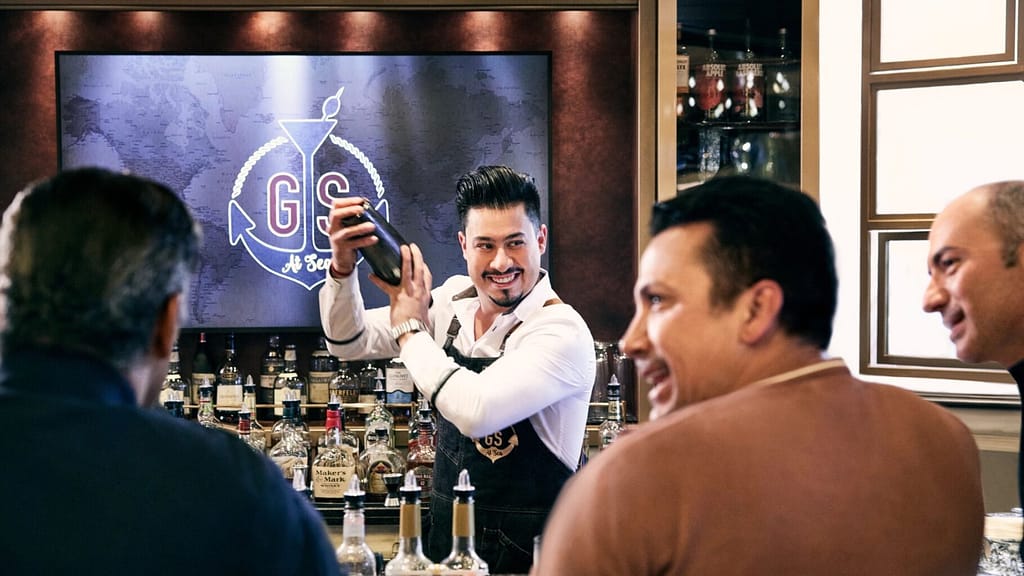
When you tip directly, you know exactly who gets your money. You have the chance to thank the cabin steward who remembered your preferences, the bartender who crafted your favorite drink, or the dining attendant who went out of their way. Those personal interactions matter — and rewarding them directly reflects genuine appreciation.
Yes, you can still tip generously and ensure back-of-house staff are acknowledged. For example, leaving envelopes with cash for housekeeping or support staff at the end of the cruise. That takes a bit more thought, but that’s exactly the point: tipping shouldn’t be passive. It should be deliberate and meaningful.
The Choice Should Be Yours
At the end of the day, whether someone decides to keep automatic gratuities, tip in cash, or use a mix of both should be up to each individual passenger and their personal philosophy. There isn’t a single “right way” that fits everyone’s values or cruise style.
Tipping is personal. Some people enjoy the convenience of auto-grats, others find empowerment in controlling exactly how and where they reward service. Neither choice makes someone selfish or unfair — it’s about how you want to show gratitude.
Your cruise, your money, your call.