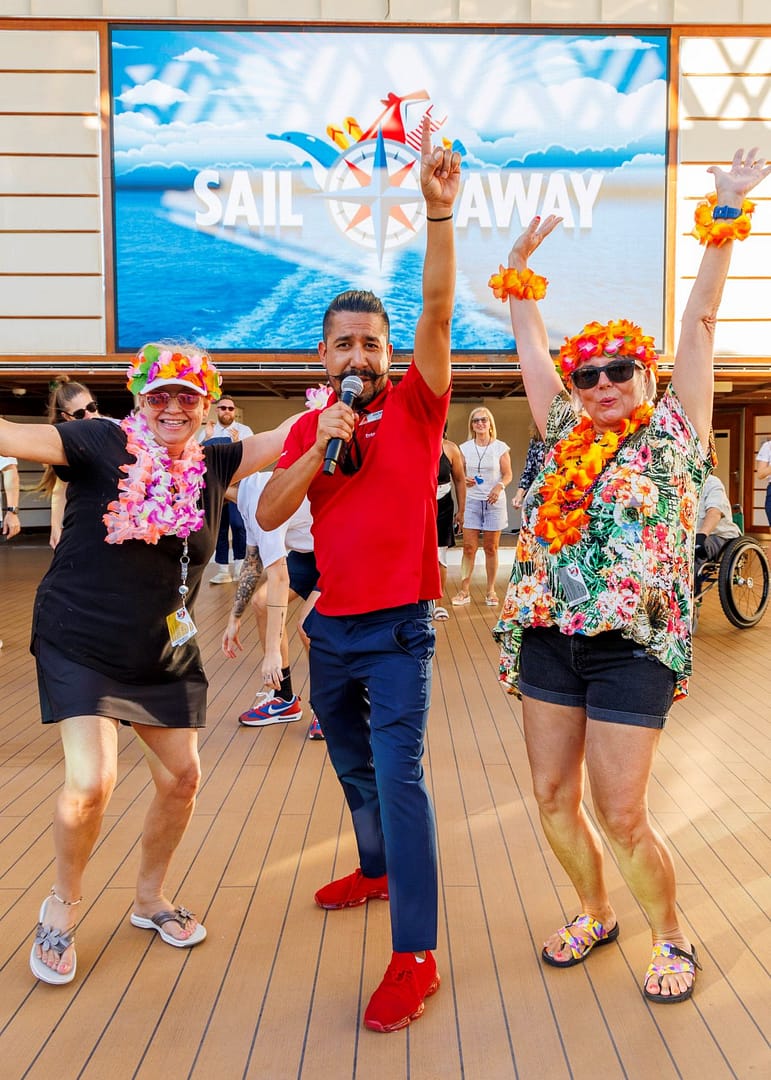
Carnival Cruise Line has made a public show of strengthening its drug enforcement at embarkation ports. Passengers now regularly see trained narcotics detection dogs inspecting luggage before boarding. Bags are sniffed multiple times. Carry-ons are checked. Personal items are screened carefully. The message is clear: Carnival operates under a strict zero-tolerance drug policy, and marijuana is included, regardless of state-level legalization.
Yet many guests report a contradictory experience once the ship is underway.
By the second or third day of sailing, the smell of marijuana is noticeable on outdoor decks, near balconies, and even along certain interior corridors. The contrast between strict embarkation screening and what guests encounter onboard has raised questions about how effective Carnival’s security measures actually are.
What Carnival’s Drug Policy Actually Says
Carnival Cruise Line enforces a zero-tolerance drug policy in compliance with U.S. federal law and international maritime regulations. Cruise terminals and vessels are considered drug-free zones. Marijuana remains illegal under federal law, even if passengers are traveling from states where recreational use is legal.
Carnival states that guests found in possession of illegal substances may face confiscation, fines, denial of boarding, removal from the ship at the next port, or referral to law enforcement. These policies are communicated before sailing and reinforced during the embarkation process.
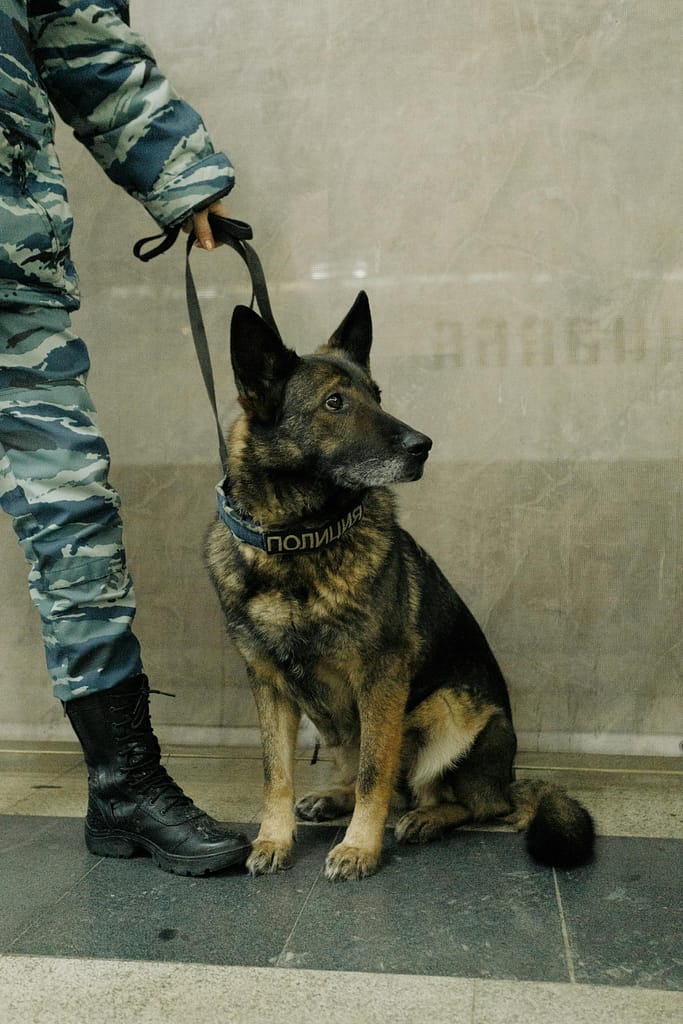
The use of K-9 units is part of this broader security strategy. Dogs are primarily deployed during embarkation to detect narcotics in checked luggage and carry-on bags before passengers board the ship.
Why Marijuana Smell Still Appears Onboard
The presence of drug dogs does not guarantee that all prohibited substances are eliminated. Screening occurs at specific choke points, mainly at embarkation terminals. Once the ship leaves port, the enforcement model changes significantly.
Cruise ships carry thousands of passengers across multiple decks and enclosed spaces. Continuous onboard drug detection patrols are not standard practice. Security teams are tasked with a wide range of responsibilities, including crowd control, medical response, fire prevention, and general safety enforcement.
Additionally, narcotics detection dogs are most effective when actively deployed with handlers. They are not stationed throughout the ship during the voyage. This creates enforcement gaps once the ship is underway.
Passenger behavior also plays a role. Some guests use concealment methods that may evade detection during initial screening. Others rely on edibles or other forms that do not produce a strong odor at the time of embarkation. Once onboard, smoking on balconies or open decks allows odors to travel easily through shared ventilation systems and open-air spaces.
Enforcement Onboard Is Largely Reactive
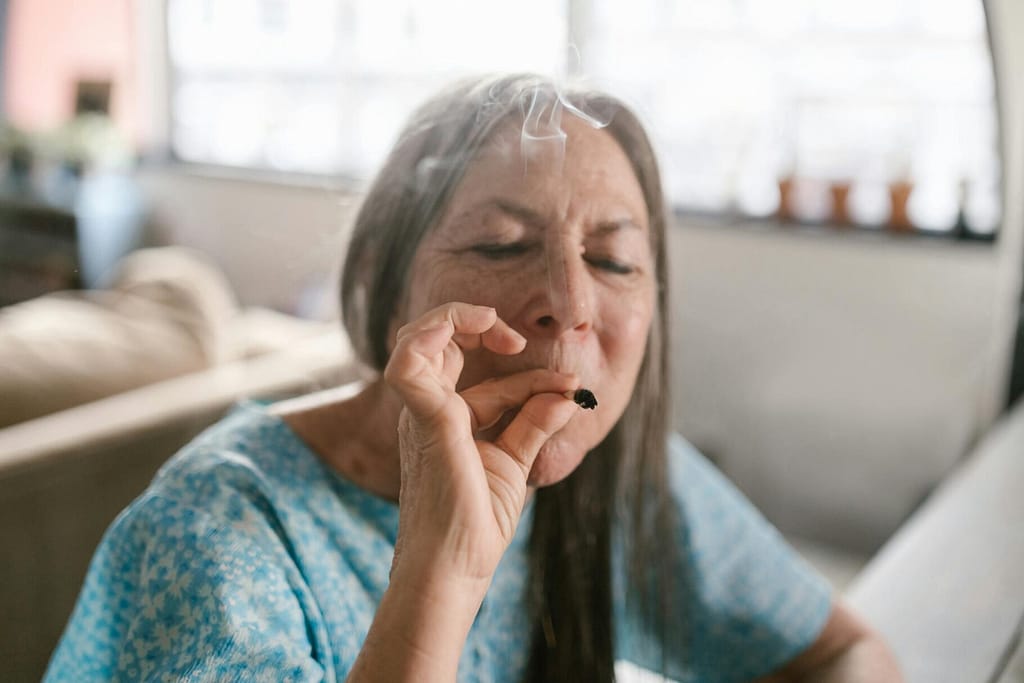
Carnival’s onboard enforcement typically depends on reports, observations, or complaints rather than continuous proactive searches. If security becomes aware of drug use, action can be taken. However, without constant monitoring, some violations go undetected.
This reactive approach explains why guests may repeatedly smell marijuana without seeing immediate consequences. The odor alone does not always lead to identification of the responsible party, especially in open areas where smells disperse quickly.
What Passengers Should Understand
The disconnect between Carnival’s strict embarkation screening and onboard experiences does not necessarily mean the security program is ineffective. Instead, it reflects the practical limitations of enforcement once a ship is at sea.
Carnival’s policies are strongest at the point of entry. Once onboard, enforcement depends on visibility, reporting, and situational awareness. Passengers should not assume that onboard drug use is permitted or ignored. Consequences remain serious if someone is identified.
For travelers, the takeaway is simple: strict rules exist, enforcement does occur, but real-world conditions onboard make perfect compliance difficult to achieve. The smell many guests notice is not imagined — it is a byproduct of enforcement limits, passenger behavior, and the realities of managing security on a floating city.