Lessons from Our First Alaska Cruise
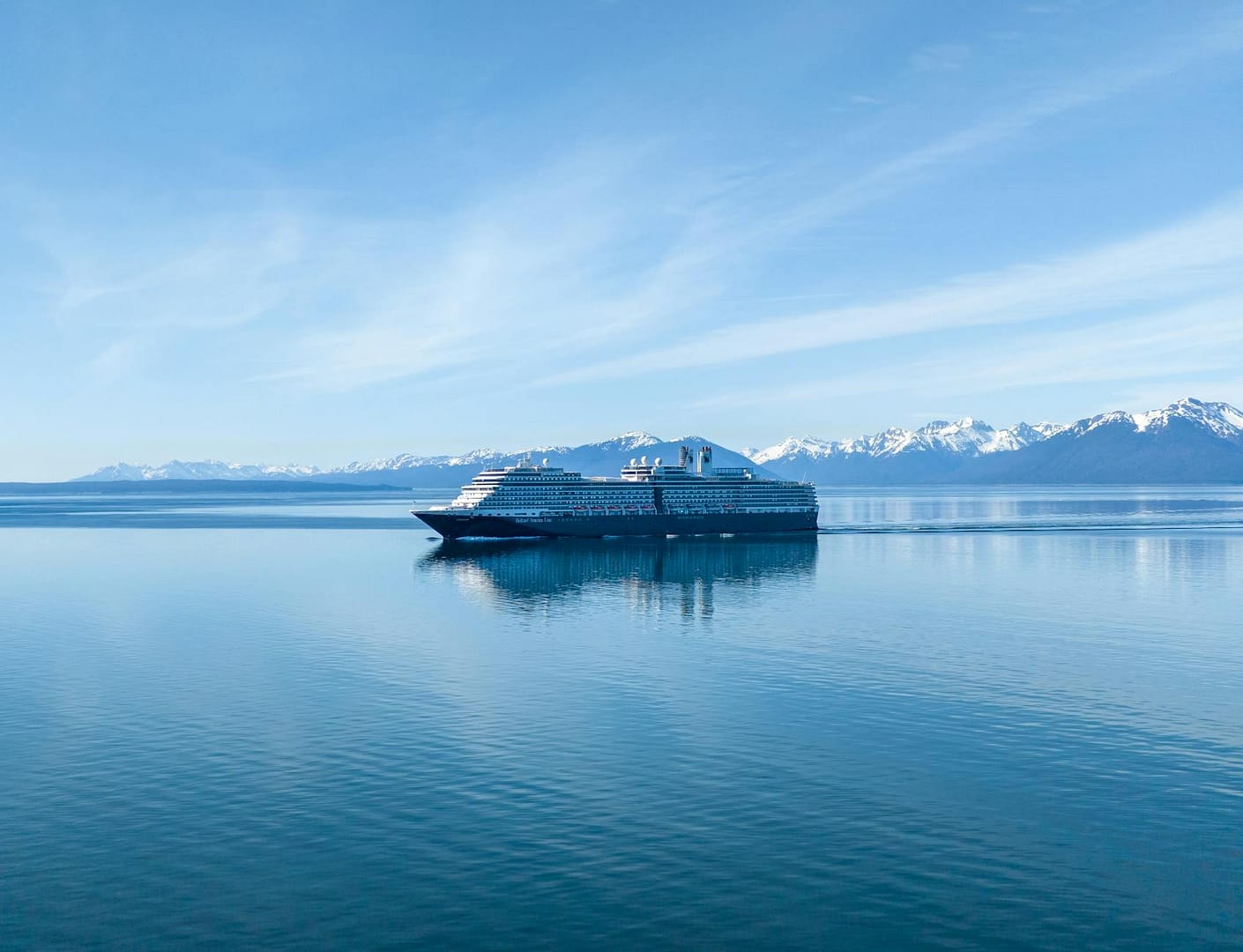
We just returned from our very first Alaska cruise, and it was unlike any of the Caribbean trips we’ve taken before. Gone were the tropical cocktails and late-night dance parties. In their place: serene mornings, snow-capped peaks, and the quiet anticipation of whalewatching.
And, naturally, the temperatures were colder. As Minnesotans, we’re no strangers to chilly weather. But preparing for an Alaskan voyage proved trickier than expected. At home, spring was in full bloom, and the mercury soared to 91°F on the day we left. That made packing especially difficult. We knew we’d need to be ready for rain, wind, and possibly snow, but it felt strange digging out thermal layers while wearing shorts. We wanted to pack light but stay comfortable on board and ashore.
As it turned out, we missed the mark. In hindsight, there were several key items we wish we had packed. Here’s what we learned — and what fellow travelers heading on an Alaska cruise should consider bringing along.
Weather-Ready Clothing Every Alaska Cruiser Should Pack
If I could go back and repack for our Alaska cruise, the very first thing I’d do is overhaul my approach to layering. I underestimated how quickly the weather changes there. And if you want to enjoy those once-in-a-lifetime views without freezing on deck, the right clothing matters.

The Outer Layer
Start with a packable winter jacket. It doesn’t have to be bulky, but it does need to be warm. Think lightweight down or synthetic insulation — something that traps heat without bulk and can stuff into a backpack when the sun breaks through. A jacket with a hood is even better.
Don’t let the cold catch you off guard—bring a packable down jacket. This one from Land’s End is warm, lightweight, and squishes into your daypack when the sun comes out. I regretted not packing mine on our first Alaska cruise, and I’ll never make the same mistake again! Cozy without the bulk—perfect for Alaska layering.


Move freely and stay dry with this ultra-comfy fleece jacket. Its stain-repellent, water-resistant finish stands up to Alaska’s wild weather, while the cotton/poly blend feels supremely soft. This was Joe’s jacket of choice on our shore excursions during our May 2025 Alaska cruise.

Cover Your Extremities
Add a warm hat that covers your ears. Not a cute beanie for Instagram photos — a real, insulated hat you’d wear in November back home. You’ll be glad you brought one, especially when you’re standing still on deck scanning the water for whales or walking through coastal forests on a windy day.
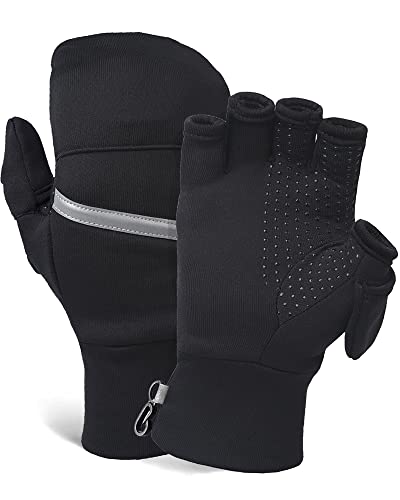
Gloves or mittens are another must. Prioritize windproof options. I recommend convertible mittens — the kind that flip open so you can use your fingers to snap a photo or tap your screen without fully exposing your hands to the cold. Touchscreen gloves can work too for shorter outings, but make sure they block the wind. If you’re holding binoculars or leaning on a metal railing for a while, your fingers will go numb fast.
Ready for anything, these convertible mittens are a cold-weather game-changer. Flip-top design and magnet-secured thumb flaps offer instant dexterity without sacrificing warmth. I wore them on every hike we took in Alaska. It was the perfect balance of cozy hands and dexterity for using my binoculars and camera.
When it comes to your feet, skip the ankle socks and go straight to merino wool hiking socks. They keep your feet warm, wick moisture, and add a layer of cushioning that helps prevent blisters, especially when you’re walking around ports or taking part in guided hikes. They don’t take up much space, so bring a few pairs.
Tested by husky mushers in northern Wisconsin, Wigwam’s merino wool hiker socks are built for serious adventure. Warm, breathable, and incredibly durable, they’ve lasted me through years of hiking and travel. These are the gold standard for comfort and performance—perfect for chilly shore excursions or long walks on deck.
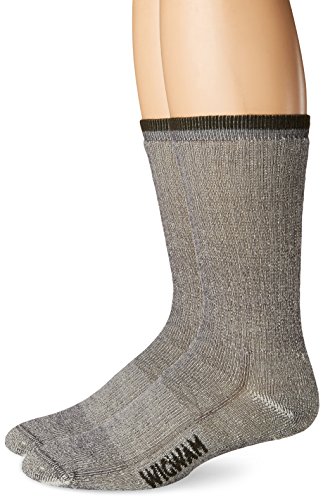
Perfect for warmer cruise days, these low-cut merino wool socks offer breathability without bulk. The low-cut design is tall enough to provide padding around the ankles of my hiking boots, without being stifling on hotter days.

Bring Proper Footwear
And don’t forget waterproof hiking boots. Not sneakers, not flats, and definitely not flip-flops. You want something with grip and support that can handle a mix of gravel trails, wet pavement, and even a little snow. If possible, make sure they’re broken in before your trip. Alaska is not the place to test-drive new footwear.
I’ve trusted Merrell since my first pair of hiking boots in 2002—and they’ve never let me down. These shoes fit like a glove, last for years, and deliver the perfect blend of support and traction. Whether you're on a rocky trail or slick ship deck, Merrell keeps you steady.


Alaska is one of the most beautiful places you’ll ever visit, but you’ll enjoy it a whole lot more if you’re not cold or uncomfortable. These staples — jacket, hat, gloves, thermal socks, and sturdy boots — should be in every suitcase headed north. The Good news? If you forget anything, just about every Alaskan port has a shop or two (often called “trading companies”) that sells surprisingly affordable cold-weather gear. A knit hat or gloves from Skagway or Ketchikan makes for a functional souvenir — something you’ll actually use back home, and remember the trip by.
Rain Gear That Will Save Your Excursions
It rained for at least some part of every day we were in Alaska on our cruise. So, don’t expect to dodge the wet weather—even if it looks clear when you head out on a shore excursion.

An umbrella might seem like an easy fix, but honestly, it won’t hold up against Alaska’s wind and won’t be practical on boat decks. Instead, you want to bring a good rain jacket. Look for one that’s truly waterproof with sealed seams and an adjustable hood—water-resistant just won’t cut it here. Breathability is equally important, so you don’t get soaked in sweat while staying dry. And make sure it’s packable, because you’ll want to carry it with you everywhere, even on days when the sky looks clear as you leave your cabin.
Stay dry without the bulk. This rain poncho is roomy enough to cover you and your backpack, keeping everything protected from sudden downpours. It folds flat and stashes easily into your daypack. It’s much higher quality than what you will find sold at souvenir stands in cruise ports.

Built for adventure, this lightweight rain jacket keeps you dry and comfortable with a waterproof, breathable shell and fully sealed seams. With a hideaway hood, zip pockets, and compact storage pouch, it’s perfect for hiking, touring, or casual wear.

Stay dry and stylish with this ultra-light, fully waterproof rain jacket. With sealed zippers, breathable mesh lining, and armpit vents, it’s perfect for active days on and off the ship.

Rain pants can be just as important. Look for lightweight, packable pants that fit comfortably over your layers. They’re easy to slip on over your regular clothes and provide much-needed protection during long, rainy excursions. I didn’t pack these, and I regretted it on every hike. While I stayed mostly dry, every bench or rock was soaked. When I took a break, I knew that once I got back up, I’d be stuck with that uncomfortable, damp feeling for the rest of the hike.
These rain pants are a game-changer for your Alaska cruise! With waterproof fabric and fully taped seams, they’ll keep you completely dry even during downpours. The breathable mesh lining and lightweight design made them super comfortable all day. I loved the adjustable waist and handy zippered pockets for stashing essentials. The half-leg zippers make slipping them over boots a breeze. Highly recommend!

Don’t forget your backpack — and more importantly, a backpack rain cover. At the very least, stash a few large zip-top bags inside to keep your camera, phone, and extra layers dry. Some backpacks come with built-in rain covers tucked in a pocket on the bottom — worth checking before you go.
Protect your gear with this durable, high-level waterproof backpack cover. Made from rip-resistant 210T taffeta, it withstands rain, fog, and snow with 10,000mm water pressure support. It is versatile to work with most backpacks. The upgraded buckle strap keeps it securely in place. Packs compactly into its pouch—perfect for Alaska’s unpredictable weather.

Rain is part of the Alaska experience, so expect it and pack accordingly. Having the right rain gear will make a huge difference in how much you enjoy your trip.
Tech & Gear For the Best Wildlife Viewing
The right gear can make a big difference on an Alaska cruise—especially when it comes to spotting wildlife and capturing once-in-a-lifetime memories.
Wildlife Viewing Essential
One item that proved indispensable was a pair of quality binoculars. Whether scanning the horizon for humpbacks or searching a distance slope for grizzly bears, binoculars brought the landscape to life. The key is to choose a pair with decent magnification and clarity. And once you have them, keep them with you at all times—even at the buffet. We learned that the hard way when a pod of whales surfaced just offshore during breakfast, and our binoculars were back in the cabin.
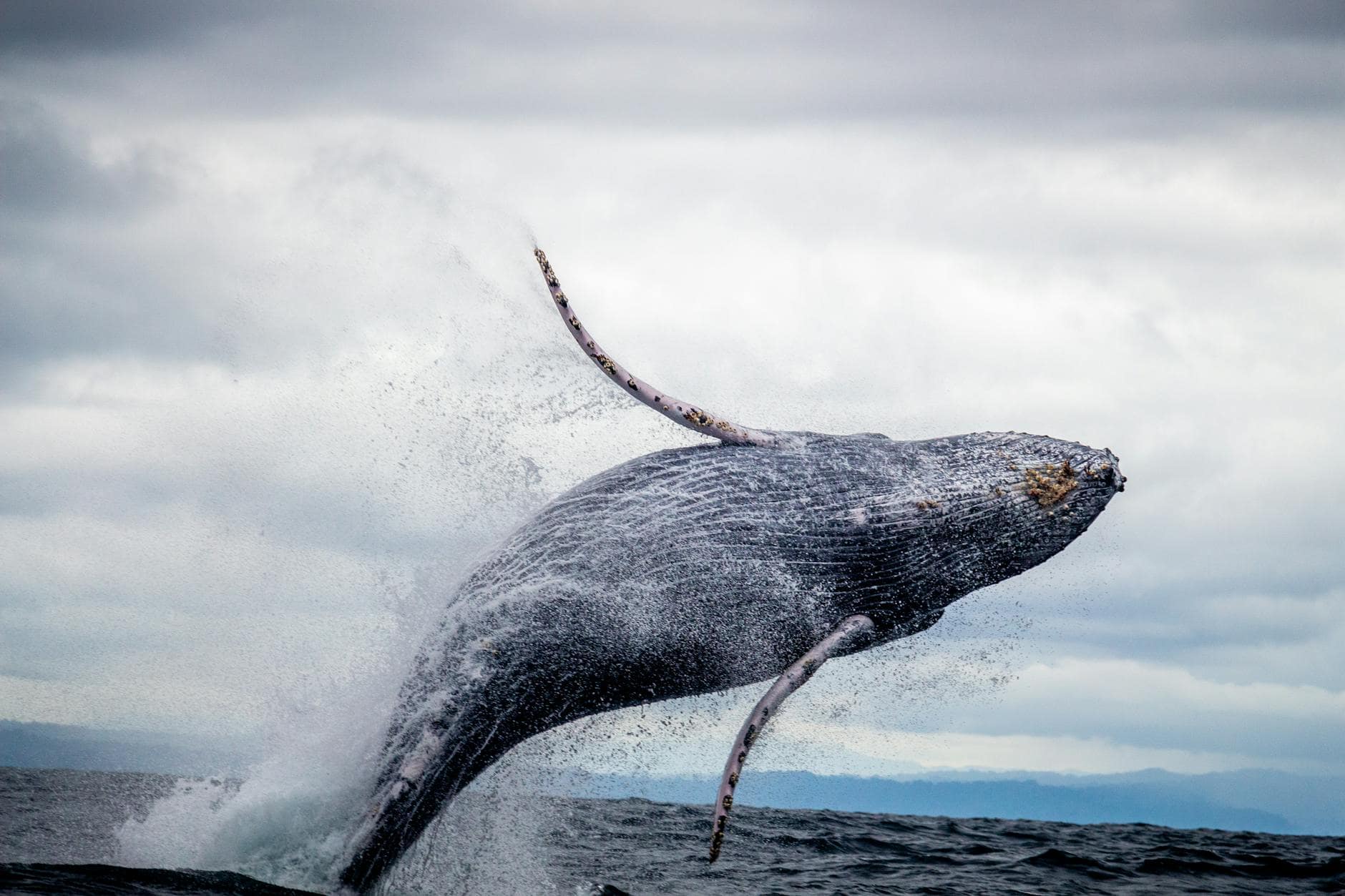
If you aren’t familiar with binoculars ratings, here’s a quick crash course: Binocular numbers, such as 8×42, indicate the magnification power and the diameter of the objective lens in millimeters. The first number (8) shows how many times closer an object appears, while the second number (42) represents the size of the lens, which affects image brightness.
Since childhood, I’ve trusted Bushnell for crystal-clear views—and their marine binoculars don’t disappoint. Waterproof, fogproof, and built tough with a lightweight aluminum body, they’re perfect for Alaska’s wet, rugged conditions. Soft grip and fully multi-coated optics deliver sharp, bright images, whether spotting whales or distant glaciers. A must-pack on an Alaska cruise!

Getting the Best Shot
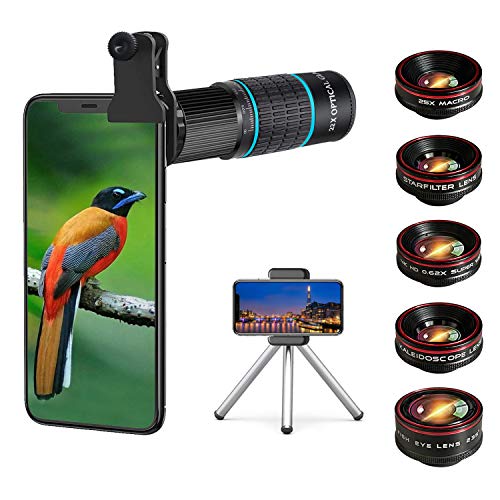
As for photography, we’ve never been the kind to carry around a bulky DSLR. We rely on smartphones, which are usually up to the task. But in Alaska, I found myself wishing for better zoom capabilities—especially when photographing glaciers or distant wildlife. In hindsight, I wish I’d gotten a clip-on telephoto lense for my smartphone.
Turn your phone into a pro camera with this versatile lens! The 22x lens fits on many smart phones and allows you to take much closer shots of the amazing wildlife you will see on your trip. I plan on packing this for my next Alaska cruise!
One new addition we did bring—and were thoroughly impressed by—was the GoPro Hero 13. It was compact, lightweight, and captured crisp footage like the panoramic glacier views in Tracy Arm Fjord. The small case fit easily into a backpack, and the hands-free shooting meant we could stay in the moment while still documenting it.
For cruisers who want to capture every splash, zipline, and sunset, a GoPro is the ultimate vacation companion. Waterproof, durable, and built for action, it records crystal-clear video on land or at sea. It’s a must-have for any Gadget Guy who loves documenting every unforgettable moment.

Stay Charged!
One thing is the same, whether you’re cruising in Alaska or the Caribbean. Staterooms still don’t have enough power outlets. Thankfully, I remembered to pack our cruise-approved outlet extender. With phones, camera gear, external batteries, and the GoPro all needing to be charged, the extra outlets kept us organized and avoided late-night charger swaps.
This cruise-ready power block is perfect for keeping your devices charged. With 2 USB and 2 USB-C ports, I can charge all my devices at once. The compact design makes it easy to pack. It’s an ideal pick for Royal Caribbean cruises, where power strips with standard AC outlets aren’t allowed.

This cruise-compliant power strip is a must-have for any traveler looking to stay connected at sea. Designed without surge protection or an extension cord, it meets cruise ship safety standards and is especially useful on older ships where outlets are limited. With 3 AC outlets and 2 USB ports, I’ve used it to charge my phone, tablet, and portable fan, all at once! Its compact, lightweight design makes it easy to pack, and it fits perfectly on a cruise vanity.

Packing these tech essentials will really enhance your experience and make sure you don’t miss a single magical moment on your Alaska cruise.
Health & Wellness Items That Make a Big Difference on an Alaska Cruise
Cruising to Alaska offers some of the most breathtaking views and outdoor adventures North America has to offer—but it’s also a trip that demands a bit more preparation, especially when it comes to health and comfort. A few simple items can make the difference between an easy day exploring and one cut short by avoidable discomfort.
Seasickness in Alaska
Motion sickness, for example, catches more passengers off guard than you might expect. While Caribbean cruisers are used to the relatively calm waters of the Gulf of Mexico, Alaskan itineraries often begin with a stretch across the open Pacific. Yes, your ship will eventually enter the protected Inside Passage, where the sailing is smoother, but expect to traverse choppier seas on the first and last day. A dose of motion sickness medication or a pair of Sea-Bands is a wise thing to pack, even if you’ve never needed them before.
Say goodbye to queasy days at sea with Sea Bands. These drug-free wristbands use gentle acupressure to relieve nausea naturally—no drowsiness, no side effects. Wear them on your cruise and feel steady even through choppy waters. A simple, effective solution for smooth sailing anywhere you travel.

Don’t let motion sickness ruin your cruise. Dramamine provides fast, effective relief from nausea, dizziness, and vomiting—perfect for rough seas or tender boat rides. I always pack it just in case, and it’s saved more than one vacation day. Choose original or non-drowsy formula to fit your needs.

Exploring the Last Frontier
Another must-have, particularly for those planning to take advantage of Alaska’s famous hiking opportunities, is a refillable water bottle. Unlike more urban ports of call, many Alaskan towns are steps away from trailheads offering incredible scenery. Whether it’s the Lower Dewey Lake Trail in Skagway or Mount Roberts in Juneau, there’s no shortage of accessible, rewarding hikes. But staying hydrated is key—especially when you’re bundled up in layers and climbing elevation. Reusable bottles are easy to fill on the ship and slip into a daypack before heading ashore.
Sunscreen is also something many travelers overlook, assuming Alaska’s cooler temperatures mean low sun exposure. But between glacier glare, reflective snowfields, and the potential for full sun during long daylight hours, UV rays can sneak up fast. It’s worth noting that many cruises to Alaska begin in southern ports with stronger sun. On one recent sailing that departed from San Francisco, several passengers—ourselves included—ended the first day with mild sunburns from time spent on deck. A travel-sized SPF stick or tube should be part of everyone’s day bag.
Trusted by dermatologists, Blue Lizard sunscreen offers broad-spectrum SPF 50+ protection with mineral-based ingredients. It’s water-resistant, fragrance-free, and perfect for sensitive skin. I never travel without it—reliable, reef-friendly sun protection wherever your adventures take you.

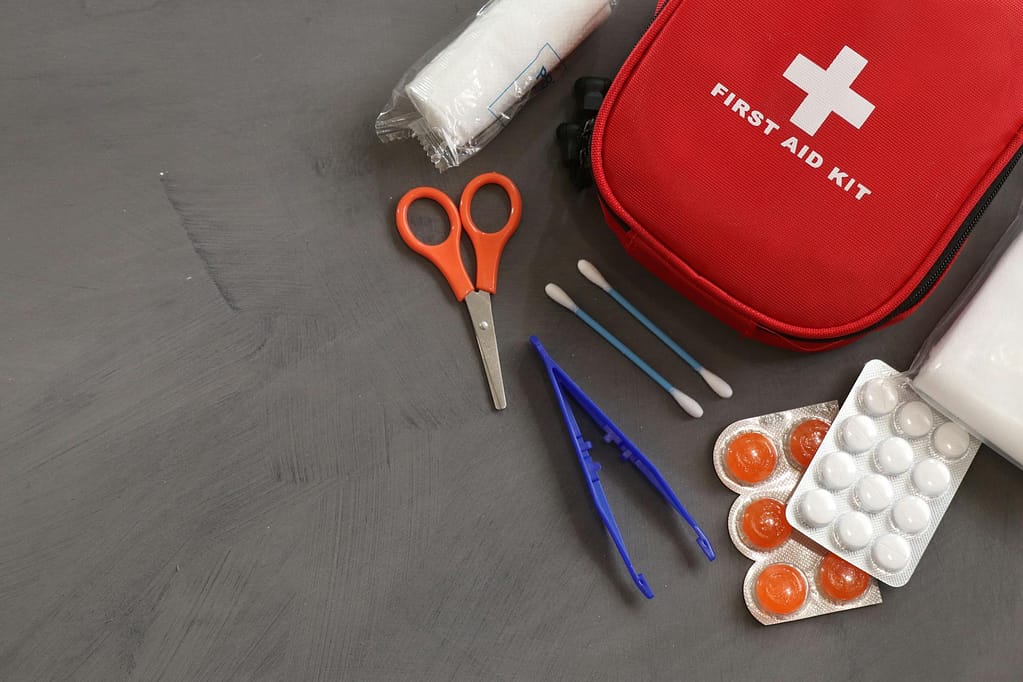
Finally, a compact first aid kit is one of the most useful items to toss in your suitcase. A few adhesive bandages, pain relievers, and blister treatments can go a long way when you’re hours from the nearest pharmacy. Between active excursions, varying terrain, and long walking days, it’s better to have the basics on hand than to go searching for them when you need them most.
An Alaska cruise is an unforgettable experience—but it’s also a destination where a little extra planning for health and comfort pays off in a big way.
Cruise Essentials for Your Cabin
Space is tight in any cruise ship cabin, and an Alaska itinerary often comes with more gear than your typical tropical getaway. That makes thoughtful packing — and a few clever cabin hacks — especially valuable.
Stay Organized!
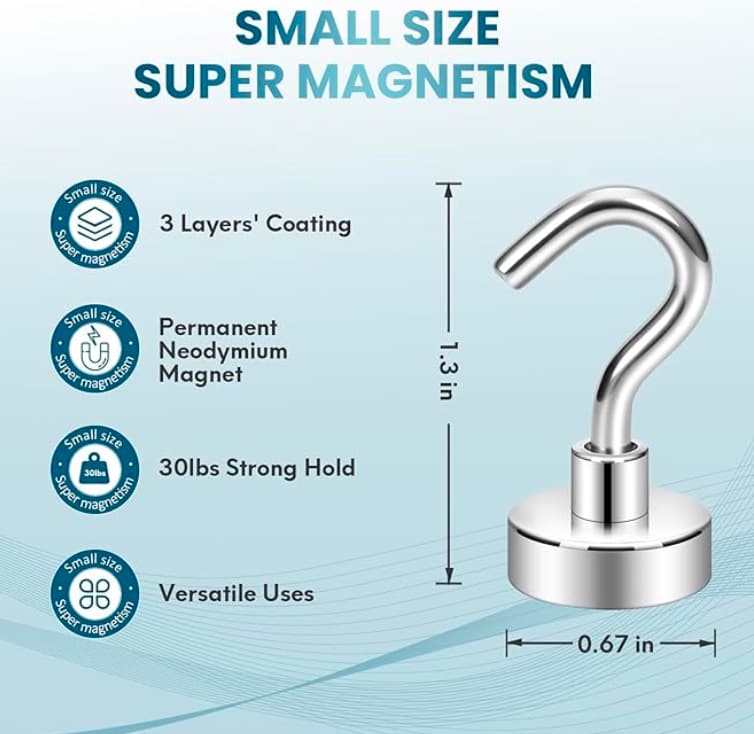
First on the list is an assortment of magnetic hooks. Cruise ship walls are made of metal, and a few strong magnets can turn any bare wall into extra vertical storage. They’re perfect for hanging jackets, backpacks, or even wet gloves and hats after a rainy shore excursion. For less than $10, they can dramatically reduce the daily clutter that builds up in a small space.
I count on these neodymium magnetic hooks to let me put my gear exactly where I want it They’re small but mighty—holding hats, lanyards, backpacks, and swimsuits right on the metal walls.
I brought these magnetic carabiner hooks on my last cruise, and now they’re a must-pack item. With 360° swivel, 180° rotation, and serious magnetic strength, they’re perfect for tight cabins, humid bathrooms, and beyond. They hold up to 170 lbs, which is more than enough even for my full shore excursion daypack!

Magnetic swivel hooks changed my cruise game. I use them to hang backpacks, toiletry bags, and hats - and they rotate, so nothing’s ever in the way. Strong, space-saving, and super versatile!

I use these magnetic clips on every cruise—they hold daily schedules, excursion tickets, and reminder notes. Super strong and compact, they help me stay organized at sea and keep the paper clutter out of the way.

Stay Clean!
A mesh laundry bag also comes in handy. Between damp socks, muddy hiking clothes, and extra layers, you’ll have more laundry than you might expect. Keeping it all in one place helps cut the clutter in your cabin. Pack a few laundry detergent sheets and carve out some time on your final sea day to use the ship’s self-service laundromat. It’s a simple way to head home with a suitcase full of clean clothes — and one less chore waiting for you after vacation.
These heavy-duty fine mesh laundry bags are my go-to for protecting delicate items in the wash. Designed with thick, durable mesh and rust-proof, auto-lock zippers, they keep everything from lingerie to baby clothes safe from snags, tears, and tangles in both washers and dryers. The 3-pack includes small, medium, and large sizes to handle everything from socks to bed sheets. I especially love the elastic zipper guard that keeps the bag securely closed. Bonus: the breathable mesh makes them perfect as travel organizers or for keeping your laundry room tidy and organized.

These lightweight detergent strips are a total game-changer for cruise travel. No more lugging bulky detergent bottles—just toss a few sheets in your suitcase and you’re set! Use a full sheet (or two) for laundry day in the ship’s self-serve machines, or tear off a small piece to hand-wash a single item in your stateroom sink. They’re completely water-soluble, low suds, and leave no residue behind. Perfect for saving space, avoiding spills, and keeping your cruise wardrobe fresh no matter how long you're at sea.

Shopping Extravaganza
A lightweight, reusable tote bag is a small item that makes a big difference. It’s useful for everything from keeping a few items with you as you explore the ship to souvenir shopping at port. Since many Alaska ports have shops and markets right near the docks, you’ll likely find yourself collecting a few items along the way — it helps to have something roomy to carry it all.
Sleep Well
And finally, consider bringing a small portable fan or white noise machine. Interior cabins, in particular, can feel stuffy or completely silent. A little airflow and ambient sound can make a big difference in sleep quality — especially when you’re adjusting to long daylight hours or unfamiliar cabin noises.
Skip the hassle of trying to attach a fan to the ceiling with your magnetic hooks. This fan IS magnetic! The handle has a powerful magnet that allows you to attach it to any wall or ceiling in your stateroom. This is a new product and we can’t wait to try it out on our next cruise!

We bring this portable USB fan on every cruise. It provides some much-needed ventilation when we are cruising in interior or oceanview cabins. And even with a balcony cabin, we appreciate the white-noise while we’re sleeping. The fan lasts the whole night on a fully charged battery, but it can also be used while plugged into a USB port.

These aren’t glamorous items, but they’re the kind of small additions that make life more comfortable on board. When space is limited and the weather unpredictable, little conveniences like these go a long way in making your cruise cabin feel like a well-functioning home base.
Cruise Documents You Won’t Want to Forget
When preparing for an Alaska cruise, it’s easy to focus on what to wear and what gear to bring — but don’t overlook the paperwork. Between crossing international borders and coordinating excursions, a little prep work ahead of time can save you major hassle on the trip.
Do I Need a Passport to Cruise to Alaska?
First and foremost: bring your passport. Many Alaska cruise itineraries include a stop in Canada and even a brief visit across the border may require valid travel documents. U.S. citizens traveling by air or sea should carry a passport book, not just a passport card. Don’t assume you won’t need it just because the majority of your trip is in U.S. waters.
It’s also smart to carry copies of your passport and travel insurance documents, stored separately from the originals. A waterproof folder or travel wallet is a practical way to keep those important papers protected and easy to find.
If you’ve booked shore excursions through third-party vendors, print your confirmations and tickets before you leave home. Some ports have patchy Wi-Fi and local operators may not be equipped to pull up your info digitally. Printed paperwork can make check-in faster and avoid last-minute confusion.
Cruise Planning 101
To keep track of everything — from port times to dinner reservations — a cruise planner or travel journal is a great addition to your bag. It doesn’t have to be fancy. Just a small notebook to jot down details can be surprisingly helpful when you’re juggling multiple activities across several ports.
Designed from my own cruising adventures, this planner helps me stay organized at sea. With packing checklists, budget trackers, and a daily schedule, it keeps your vacation organized and stress-free. A must-have for first-time cruisers and seasoned sailors alike!
Stop at Info Booth
Speaking of ports, most Alaska cruise towns have free tourist information booths conveniently located near the dock, offering maps, trail guides, and local tips. We found the staff to be friendly and knowledgeable, providing great recommendations at every stop. Still, it’s a good idea to research each port ahead of time and have a rough plan of what you want to do before you arrive. This way, you won’t waste precious time deciding on the spot. Also, downloading offline maps and guides is smart, since internet access can be limited both at sea and onshore.
In short, a bit of organization can go a long way. Having the right documents — and knowing where they are — helps ensure you spend your cruise enjoying the scenery, not searching for a signal or digging through your bag at the last minute.
Pack Smart on Your Alaska Cruise!
Alaska offers some of the most breathtaking scenery and unforgettable experiences you’ll find on any cruise. But as we quickly learned, preparing for an Alaska cruise requires a different mindset than packing for the Caribbean. We thought we had it covered. But as it turns out, Caribbean cruise instincts don’t translate well to the Last Frontier.
From weather-ready clothing and reliable rain gear to the right tech and thoughtful health essentials, each piece plays a crucial role in making your first cruise to Alaska comfortable and memorable. Taking the time to plan and pack with Alaska’s unique environment in mind ensures you won’t miss out on those magical moments—whether you’re spotting whales, hiking through forests, or simply relaxing on deck. With the right preparation, your Alaska cruise can be an adventure you’ll cherish for a lifetime.
[aal_disclosure]