
We Tested EVERY Popular Cruise Cabin Accessory for 22 Days – Here’s What Actually Works
If you’ve spent any time researching cruise vacations, you’ve probably come across dozens of “must-have cabin accessory” lists. But here’s the thing: most of them are written by people who’ve used these items for a single weekend cruise, if at all.
We decided to do things differently. We spent $300 buying the most recommended cruise cabin accessories. Then, over the course of a 22-day repositioning cruise, we tested them to find out which ones actually lived up to the hype and which ones were just taking up valuable luggage space.
The result? We lived with these items for three weeks straight, and discovered that some “essentials” were game-changers while others were complete wastes of money. Here’s everything we learned, ranked from “can’t cruise without it” to “total waste.”
Check out our complete Amazon Shopping List here!
How We Tested These Cruise Accessories
This wasn’t a weekend getaway test. We spent 22 days living in a standard cruise cabin, dealing with real problems: limited outlets, narrow doors, engine noise, and the daily challenge of keeping our small space organized.
We rated each item on three criteria:
- Real impact on cruise experience – Did it actually solve a problem or improve our trip?
- Ease of use after extended testing – Was it still useful on day 20, or did the novelty wear off?
- Value for money – Was the benefit worth the cost and luggage space?
Essential Cruise Cabin Accessories
1. Power Outlet Expander
The Problem: Unless you’re sailing on a brand-new ship, your cabin will have painfully limited outlets. We’re talking sometimes only a single outlet total for a space where you need to charge phones, tablets, cameras, e-readers, headphones, smartwatches, and maybe even a laptop.
Our Experience: This was hands-down the most-used item in our cabin. Every single night for 22 days, we plugged in at least 5 devices simultaneously. The outlet expander we brought had 3 AC outlets and 4 USB ports, which was perfect for our needs. We positioned it on the desk area where we could easily access everything.
One night in particular stands out: we’d spent the day in port taking hundreds of photos, and came back to the ship with four dead devices between the two of us. Without the expander, we would have been playing outlet Tetris all evening, prioritizing which devices to charge first. Instead, everything charged at once while we got ready for dinner.
Pro tip: Make sure you get an expander, not a surge protector. Most cruise lines don’t allow surge protectors due to fire safety regulations, but simple outlet expanders are fine. Check your specific cruise line’s policies before you pack. Royal Caribbean, for instance, only allow outlet expanders with USB slots.
Cost: Under $25
Our Rating: Essential for any cruise on an older ship
Perfect for cruise cabins, this compact power strip has 3 outlets and 4 USB ports (including 2 USB-C) to charge up to 7 devices at once. It’s cruise-compliant with no surge protection, and the flat plug with a 5ft braided cord fits tight spaces easily. Lightweight, packable, and safe—ideal for cruises, hotels, or travel.


This cruise-ready power block is perfect for keeping your devices charged. With 2 USB and 2 USB-C ports, I can charge all my devices at once. The compact design makes it easy to pack. It’s an ideal pick for Royal Caribbean cruises, where power strips with standard AC outlets aren’t allowed.

2. Magnetic Hooks
The Problem: Cruise cabins have very few hooks, hangers, or places to hang anything. Your bathroom might have one or two hooks if you’re lucky, but what about hats, bags, lanyards, wet swimsuits, or jackets?
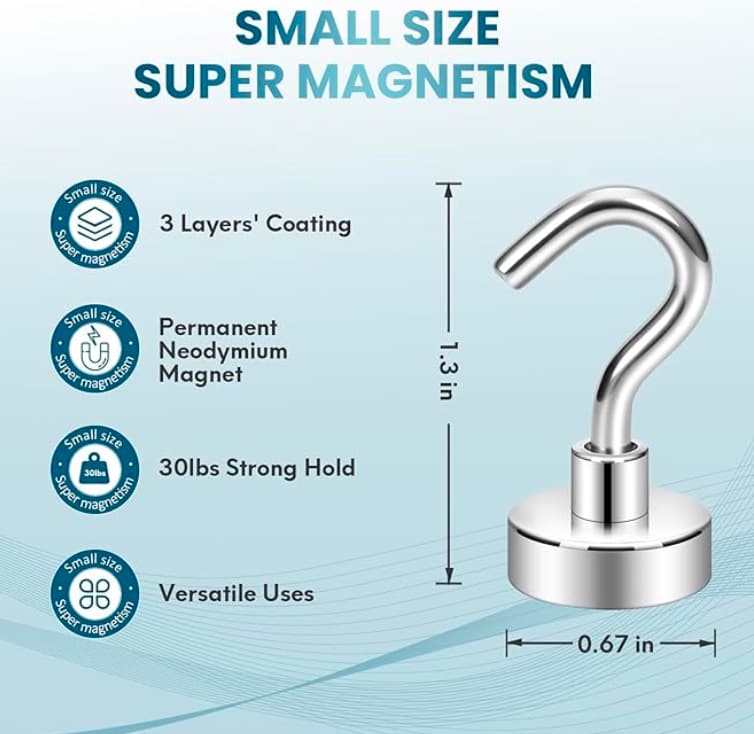
Our Experience: Magnetic hooks became our most versatile accessory. Here’s what we used them for during our 22 days: hanging our reusable bags, drying wet bathing suits outside of the bathroom (which has notoriosly bad ventilation), keeping our lanyards with room keys by the door, holding open our mesh laundry bag at the back of the closet, keeping track of our daily cruise newletters, and even creating a makeshift closet extension for jackets and hats.
The beauty of magnetic hooks is that cruise cabin walls are metal, so you can stick them literally anywhere. We moved ours around constantly based on our needs. In the first week, we had two in the bathroom. By week two, we’d relocated one to the bedroom wall for hanging bags. Week three saw another migration to the inside of the cabin door for easy lanyard access.
We brought ten hooks and five clips, and honestly wish we’d packed more. You can never have too many magnetic hooks on a cruise – they’re lightweight, take up no space, and solve so many organizational problems.
Cost: Around $10 for a pack
Our Rating: Can’t cruise without them – buy more than you think you need
I brought these magnetic carabiner hooks on my last cruise, and now they’re a must-pack item. With 360° swivel, 180° rotation, and serious magnetic strength, they’re perfect for tight cabins, humid bathrooms, and beyond. They hold up to 170 lbs, which is more than enough even for my full shore excursion daypack!

I use these magnetic clips on every cruise—they hold daily schedules, excursion tickets, and reminder notes. Super strong and compact, they help me stay organized at sea and keep the paper clutter out of the way.

Magnetic swivel hooks changed my cruise game. I use them to hang backpacks, toiletry bags, and hats - and they rotate, so nothing’s ever in the way. Strong, space-saving, and super versatile!

I count on these neodymium magnetic hooks to let me put my gear exactly where I want it They’re small but mighty—holding hats, lanyards, backpacks, and swimsuits right on the metal walls.
3. Noise Cancelling Headphones
The Problem: Ships are noisy. There’s engine vibration, hallway chatter at all hours, announcements over the PA system, pool deck music, and if you’re near the elevator, the constant ding of people coming and going.
Our Experience: After 22 days onboard, these headphones might have saved our sanity more than any other item. We used them in so many situations: blocking out engine noise while working in the cabin during sea days, creating a peaceful bubble while reading by the pool (when the DJ’s music choices weren’t our style), drowning out hallway noise from our neighbors coming back late at night, and enjoying podcasts during early morning deck walks without disturbing others.
The best moment was day 17 when we were both feeling a bit of “cruise fatigue” – that overwhelming sensation you get from being surrounded by people and noise constantly. We spent an afternoon in our cabin with our noise-cancelling headphones on, each doing our own thing in blissful quiet, and it was exactly the reset we needed.
Yes, these are the most expensive item on our list at around $100, but they’re something you’ll use long after the cruise ends. We already had regular earbuds, but decided to invest in some noise-canceling headphones for this cruise and they were worth every penny.
Cost: Around $100 (but multi-use beyond cruising)
Our Rating: Essential for peace and quiet, especially on longer cruises
Noise-canceling headphones are a lifesaver for long flights, noisy terminals, and quiet moments on the ship. They let the listener drift into a podcast, playlist, or audiobook without distractions. Comfortable, immersive, and essential for serenity on the go, they make every journey smoother from takeoff to tender boat.

4. Reusable Bag
The Problem: You need to carry stuff constantly on a cruise, but you don’t want to lug your full-size backpack everywhere or make multiple trips back to your cabin.
Our Experience: This was the surprise winner of our testing. We initially brought a simple reusable tote bag thinking we’d use it occasionally for beach days in port. Instead, we used it literally every single day for things we never anticipated.
Here’s our daily reusable bag routine: Morning – filled it with empty water bottles and walked to the self-service water station to fill up for the day. Breakfast – brought it to the buffet to carry back fruit to our cabin for snacking later. Pool time – tossed in sunscreen, books, and our room key. Port days – used it for shopping, carrying purchases back to the ship, and collecting brochures from tourist spots. Evening – grabbed snacks from the late-night buffet to bring back to the cabin.
The best day was in port when we did some local shopping. Instead of carrying individual plastic bags from different stores, everything went into our reusable bag. When we got back to the ship, security screening was faster because everything was visible in one bag rather than searching through multiple shopping bags.
Cost: Around $15
Our Rating: Surprisingly essential – you’ll find a use for it daily
Don’t Miss the Boat — But If You Do, Look Good Doing It
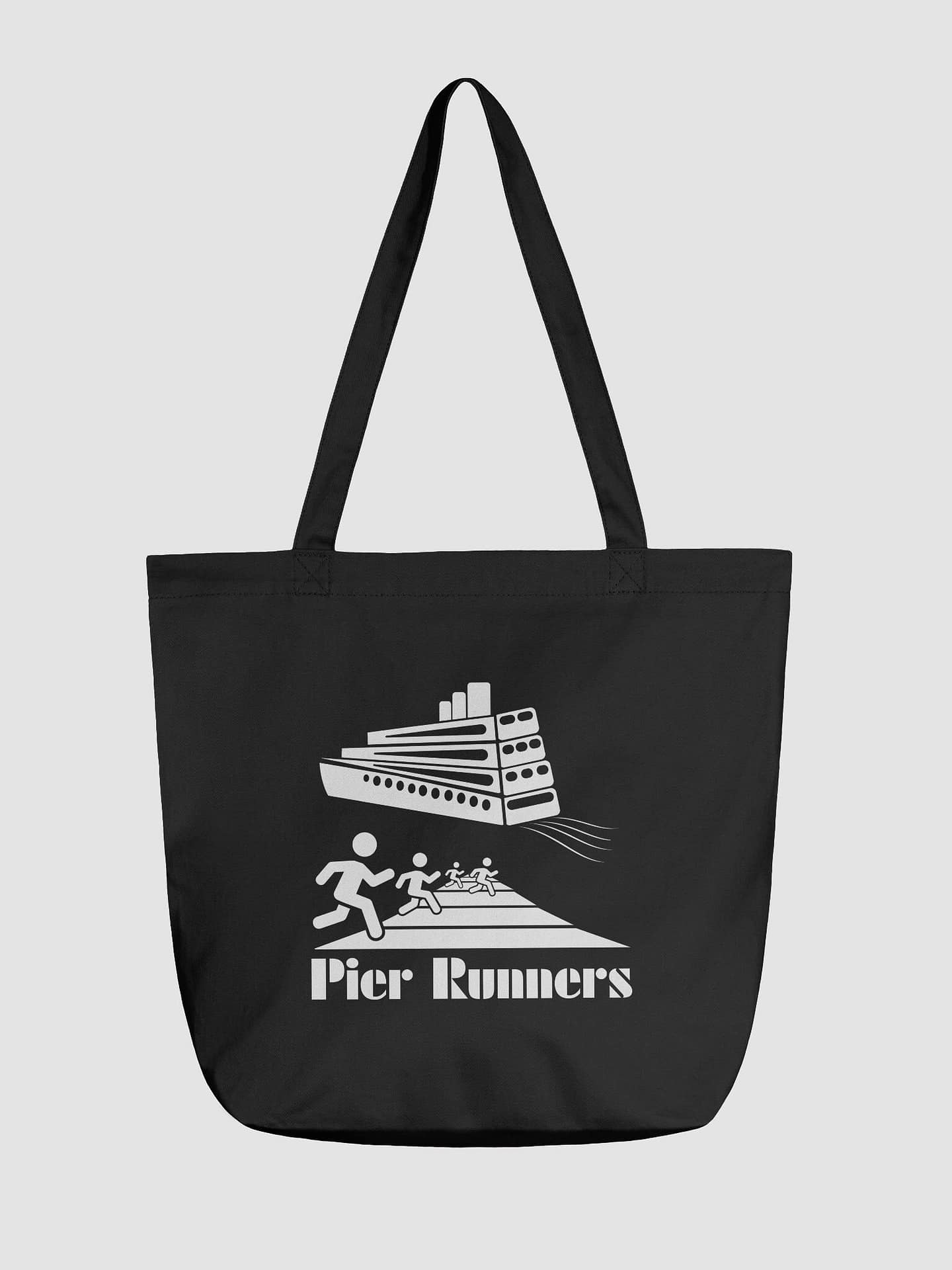
Meet your new favorite travel sidekick: the “Pier Runners” Canvas Tote — for those who live life a little on the edge of final boarding calls. Made from a durable canvas and printed with a playful nod to all you last-minute dashers, this 16″ × 14½″ × 5″ tote folds flat in your suitcase and springs into action when you suddenly need a bag for all your new bags.
Whether you're sprinting down the dock or strolling through the port, it's the perfect blend of practicality, personality, and just a touch of panic.
Grab yours before it sails away!
Really Useful Things to Pack for a Cruise
5. Magnetic Fan
The Problem: Cruise cabin climate control can be inconsistent, and some people (like us) need white noise to sleep well. The cabin AC might be too loud, too quiet, or positioned awkwardly.
Our Experience: The magnetic fan exceeded our expectations in multiple ways. Because it’s magnetic, we could position it anywhere on the metal cabin walls – we tried it in at least five different spots during our 22 days. We started with it on the ceiling, moved it to the wall pointing opposite the bed, and even stuck it on the balcony door frame to circulate air better. One particularly warm afternoon after a port day in the South Pacific, we came back to a stuffy cabin, stuck the fan on the wall, and within minutes the air was circulating and we felt much more comfortable.
But the real surprise was the white noise benefit. The gentle hum of the fan became our sleep soundtrack, drowning out hallway noise and the occasional ship announcement. On sea days, we’d reposition it to wherever we were spending time – pointing at the desk while working, or at the couch while reading.
The battery life was impressive too. We charged it every morning, and it lasted through the whole night.
Cost: $30
Our Rating: Really useful for comfort and better sleep
Skip the hassle of trying to attach a fan to the ceiling with your magnetic hooks. This fan IS magnetic! The handle has a powerful magnet that allows you to attach it to any wall or ceiling in your stateroom. This is a new product and we can’t wait to try it out on our next cruise!

6. Over-the-Door Organizer
The Problem: Small items like sunscreen, medications, glasses, and accessories get lost easily in a tiny cabin. You need accessible storage that doesn’t take up counter space.
Our Experience: The over-the-door organizer was perfect for keeping track of daily essentials – in theory. We bought one before fully understanding that cruise cabin doors are incredibly narrow, about 1 inch thick. Our organizer didn’t fit at all, which was frustrating on day one.
Here’s what we learned: if you’re buying an over-the-door organizer specifically for a cruise, verify it accommodates narrow doors. The product description should specifically mention “narrow doors” or doors as thin as 1 inch. Once we figured this out (for a future cruise), we made it work on this trip by hanging our organizer on the wall using – you guessed it – magnetic hooks.
We used the pockets for daily items: top pockets for sunglasses and sunscreen (grab and go items), middle pockets for medications and first aid supplies, and bottom pockets for charging cables and adapters. Having everything visible and accessible meant no more digging through drawers or bags looking for our lip balm or motion sickness bands.
Cost: Around $10
Our Rating: Really useful once you get the right setup
7. Laundry Detergent Sheets & Stain Remover Pen
The Problem: Cruise ship valet laundry is wildly expensive. On our 22-day cruise, sending laundry out would have cost us over $400 – that’s nearly the cost of our cabin upgrade.
Our Experience: The laundry detergent sheets were one of our best money-saving discoveries. These thin, lightweight sheets dissolve in water and work for both sink washing and self-service laundromats (if your ship has them). We did the math: we spent $8 on detergent sheets and saved over $400 in valet laundry costs.
Our laundry routine became simple: every 3-4 days, we’d hand wash essentials like underwear and workout clothes in the cabin sink using the detergent sheets. They dissolved quickly in both cold and warm water, and items dried overnight hanging on our magnetic hooks. For larger loads, we used the ship’s self-service laundromat (available on our ship for $3.50 per load) with the same detergent sheets.
The stain remover pen came in handy more than expected. Coffee spill at breakfast? Instant treatment. Dropped sauce at dinner? Quick fix in the bathroom. By treating stains immediately, we avoided having to send anything out for special cleaning.
One memorable moment: another passenger in the laundromat saw our detergent sheets and asked where we got them. After explaining the cost savings versus valet laundry, she immediately took a photo of the package to order some for her next cruise.
Cost: Around $5 for detergent sheets
Our Rating: Really useful for your wallet – massive money saver
These lightweight detergent strips are a total game-changer for cruise travel. No more lugging bulky detergent bottles—just toss a few sheets in your suitcase and you’re set! Use a full sheet (or two) for laundry day in the ship’s self-serve machines, or tear off a small piece to hand-wash a single item in your stateroom sink. They’re completely water-soluble, low suds, and leave no residue behind. Perfect for saving space, avoiding spills, and keeping your cruise wardrobe fresh no matter how long you're at sea.

Items that Depend on Your Cruise Style
8. Dry Erase Board
The Problem: If you’re traveling with friends or family in different cabins, coordinating can be tricky.
Our Experience: We mounted our small magnetic dry erase board on the wall next to our cabin door (as this door wasn’t magnetic itself), making it visible from the hallway. This turned into an unexpectedly fun way to interact with our cruise community. We’d write messages like “Gone to trivia – join us in the pub!” or “At the pool deck” for the friends we’d made onboard. Other passengers started leaving us notes too. One couple wrote “Thanks for the restaurant recommendation!” after we’d chatted with them about our favorite specialty dining experience.
The cabin number reminder proved useful more than we’d like to admit. After evening shows or late-night deck parties, having a unique identifier by our cabin meant no awkward wandering down identical hallways trying to remember which door was ours.
That said, if you’re traveling solo or aren’t interested in leaving messages, this isn’t essential. It’s a fun-to-have rather than a need-to-have item.
Cost: Around $8
Our Rating: Situational but fun – great for social cruisers and groups
9. Binoculars
The Problem: On scenic cruises through places like Alaska or Norwegian fjords, you’ll want to see wildlife and distant landscapes clearly. On tropical or transoceanic cruises? Not so much.
Our Experience: Our repositioning cruise had many sea days crossing the Pacific, and honestly, there’s only so much open ocean you need to see in detail. We brought binoculars thinking we’d use them for spotting dolphins or distant ships, but after a few attempts, they spent most of the journey in the cabin closet.
The few times we did use them: spotting what turned out to be a container ship on the horizon (mildly interesting for five minutes), trying to see if that was a whale or just a wave (it was a wave), and watching the approach to port from our balcony, which was admittedly pretty cool.
However, we’ve used binoculars on previous Alaska cruises and they were absolutely essential there – seeing bears on the shoreline, spotting eagles in trees, watching whales breach in the distance, and getting clear views of glaciers. The difference in usefulness is dramatic based on your itinerary.
Cost: Varies widely ($30-$200)
Our Rating: Situational – essential for Alaska and scenic routes, skip for tropical and transatlantic
Since childhood, I’ve trusted Bushnell for crystal-clear views—and their marine binoculars don’t disappoint. Waterproof, fogproof, and built tough with a lightweight aluminum body, they’re perfect for Alaska’s wet, rugged conditions. Soft grip and fully multi-coated optics deliver sharp, bright images, whether spotting whales or distant glaciers. A must-pack on an Alaska cruise!

10. Compression Packing Cubes
The Problem: Longer cruises require more clothes, and cruise cabins have limited drawer and closet space. Suitcases also have size and weight limits.
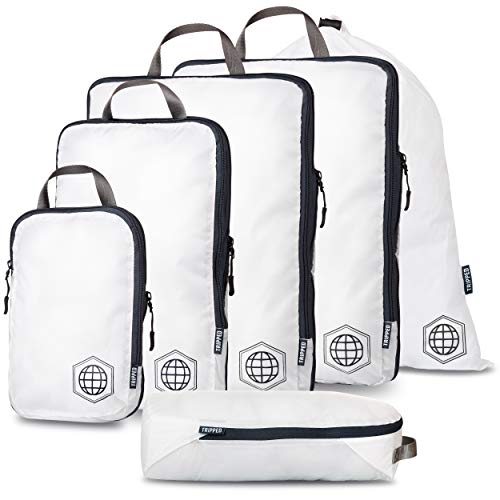
Our Experience: The compression packing cubes helped us stay organized throughout the 22-day cruise. We used different cubes for different clothing categories: one for casual daytime clothes, one for dinner outfits, one for workout gear, and one for swimwear and beach items.
The compression feature was particularly helpful at the beginning and end of the cruise. Before the trip, compressing our packed cubes allowed us to fit 22 days worth of clothing into our suitcases without exceeding airline size limits (although we still had to watch out on the weight!). During the cruise, placing packing cubes in the cabin drawers made unpacking a breeze.
However, we’re admittedly over-packers. If you’re someone who travels light or you’re doing a shorter 7-day cruise, you probably don’t need the compression feature. Regular packing cubes (or no cubes at all) might be sufficient. The compression cubes also take a bit of effort to compress properly – you’re essentially doing a mini workout squeezing all the air out.
Cost: $20 – $50 for a set
Our Rating: Situational – great for long cruises and heavy packers, skip if you pack light
Make packing (and unpacking) on your cruise a breeze! These compression packing cubes maximize luggage space by up to 30%, keeping outfits organized and easy to access. Whether it’s swimwear, layers for excursions, or formal nightwear, each cube keeps clothes tidy and compact. Use expanded or compressed—your suitcase, your way!
11. Mesh Laundry Bags
The Problem: On a longer cruise, dirty laundry accumulates quickly and mixing it with clean clothes in limited drawer space is less than ideal.
Our Experience: The mesh laundry bags were more useful than we initially expected. We brought two – one for each of us – and used them consistently throughout the 22 days. Each evening, worn clothes went directly into our respective bags, which we stored hung in the back of the closet using magnetic hooks.
This system kept our cabin from descending into clothing chaos. No more “is this shirt clean or worn?” confusion, no smell mixing with fresh clothes, and no last-minute packing panic trying to remember what needed washing when we got home. The mesh material meant nothing got musty even in the humid cabin environment.
When we used the self-service laundromat, the bags doubled as laundry carriers – we just grabbed the bag and headed to the laundry room. The mesh construction also meant we could see what was inside without opening them, helpful for knowing when it was time to do laundry.
For shorter cruises (7 days or less), you probably don’t need dedicated laundry bags. But for our 22-day cruise, they prevented our cabin from turning into a clothing explosion zone.
Cost: Around $5 per bag
Our Rating: Situational – very handy for cruises over 10 days, unnecessary for shorter trips
Disappointing “Cruise Essentials” to Skip
12. Clorox Wipes
The Problem: Online cruise packing lists often include disinfecting wipes for “cleaning high-touch surfaces” in your cabin.
Our Experience: We used our Clorox wipes exactly three times in 22 days: once when we first entered the cabin on embarkation day (more out of habit than necessity), once after one of us had a slight cold, and once when we spilled something sticky on the desk. That’s it.
Here’s why they were disappointing: our room attendant did an absolutely fantastic job. The cabin was thoroughly cleaned every single day, including wiping down surfaces, cleaning the bathroom, and even dusting areas we didn’t think about. High-touch surfaces like door handles, light switches, and the bathroom faucet were noticeably clean daily.
The bigger issue is that Clorox wipes take up valuable luggage space. The container is bulky and relatively heavy. For a 22-day cruise, we needed every inch of suitcase space for clothes, medications, and items we actually used daily. The wipes container could have been room for an extra pair of shoes or another outfit.
Cost: Around $5
Our Rating: Disappointing waste of space – daily housekeeping makes these unnecessary
13. Acupressure Wrist Bands
The Problem: Many people worry about seasickness, and acupressure wrist bands are a drug-free option frequently recommended online.
Our Experience: Full disclosure: we can’t give these a completely fair assessment. We wore them during several sea days to test their effectiveness, but we were fortunate to have mostly calm seas throughout our transatlantic crossing. The few times we did experience mild motion, we didn’t notice a significant difference with or without the bands.
One of us tends to get mild motion sensitivity, and on day 12 when the seas were a bit rougher, wore the bands for several hours. Did they help? Honestly, hard to say. The mild queasiness could have subsided naturally, or the bands could have helped, or it could have been the placebo effect. We just don’t know.
What we do know is that they were uncomfortable to wear long-term – the pressure point started to feel sore after several hours – and they left visible marks on our wrists. We also felt a bit self-conscious wearing them around the ship, though that’s purely personal preference.
Cost: Around $10
Our Rating: Disappointing, but needs stormier testing for a fair evaluation – consider other seasickness options
What We Wish We’d Brought
After 22 days of testing, we discovered a few items we didn’t bring but really wished we had:
Travel Pillow: The cabin pillows were fine, but a quality travel pillow for our necks would have made reading in bed and relaxing on sea days much more comfortable.
Small Nightlight: Getting up for bathroom trips in the middle of the night in total darkness became a navigation challenge. A small nightlight would have prevented stubbed toes and fumbling for light switches.
More Magnetic Hooks: We brought ten and used every single one constantly. We could easily have used 10 more hooks throughout our three weeks onboard.
The key insight from our extended testing? Most cruise packing lists recommend way too much stuff. Focus on solving actual problems: limited outlets, limited storage, noise, and organization. Everything else is either situational or unnecessary.