Prevention Tips and Natural Remedies for Seasickness
Understanding Seasickness on Cruise Ships
One of the most common concerns among first-time cruisers is whether they’ll experience seasickness, also known as mal de mar. If you’re prone to motion sickness in cars or planes, you might worry about how your body will react to being at sea. The good news? Most people experience only mild seasick symptoms, if any, and there are proven strategies to prevent and treat cruise ship seasickness.
What Are Your Chances of Getting Seasick?
Let’s address the elephant in the room: yes, you might experience some seasickness, especially if you’re susceptible to motion sickness or if your cruise encounters rough weather. However, modern cruise ships are engineered for stability, and captains do everything possible to navigate around storms and provide smooth sailing.
For the vast majority of passengers, any motion sickness experienced is fairly mild and manageable. Many people don’t feel any symptoms at all, particularly on larger vessels in calm waters.
Prevention Strategies: Choose Your Cruise Wisely
Pick the Right Cabin Location
The location of your cabin can significantly impact your experience with seasickness. Book a room in the middle of the ship on a lower deck. This is the most stable area of the vessel, where you’ll feel minimal sway from the waves. The higher up and farther toward the bow or stern you go, the more motion you’ll experience.
Select Larger Ships
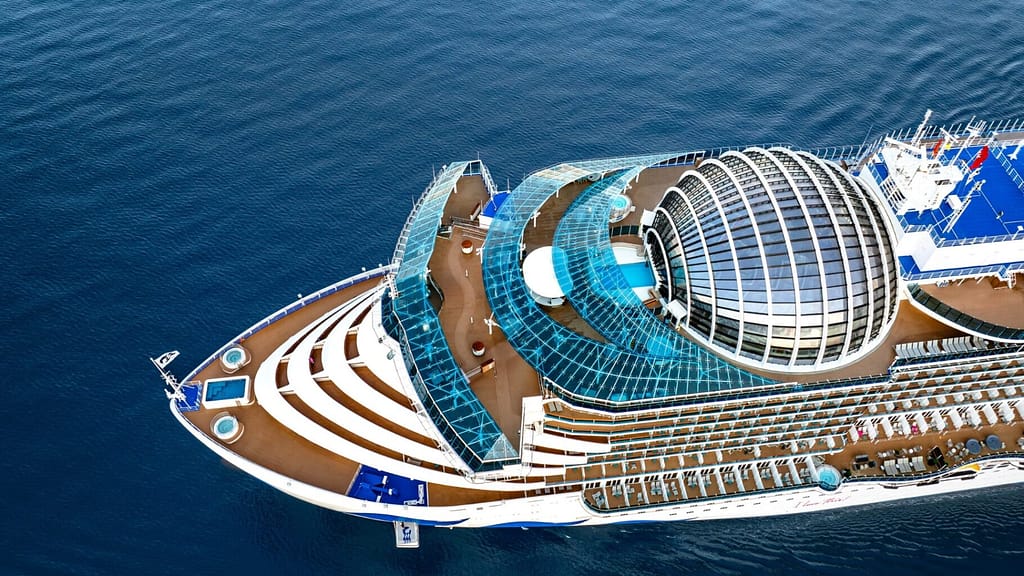
Ship size matters when it comes to stability. Larger cruise ships move less with the motion of the waves compared to smaller vessels. If you’re particularly concerned about mal de mar, opt for one of the mega-ships offered by major cruise lines. Many modern cruise ships also feature advanced stabilizers that further minimize rolling and pitching.
Choose Calmer Waters
Your cruise itinerary plays a crucial role in your seasickness experience. Consider cruises that avoid open ocean and stay within protected seas:
- Caribbean cruises offer calm, sheltered waters
- Mediterranean cruises provide smooth sailing in enclosed seas
- Alaskan Inside Passage cruises navigate protected channels
These routes typically provide much calmer conditions than transatlantic crossings or cruises through notoriously rough waters like Drake’s Passage.
Natural Remedies for Seasickness
Being proactive can make all the difference in managing seasickness symptoms before they become severe. Prepare a first aid kit that includes a few seasickness remedies. Having these items readily available in your cabin means you won’t have to search for relief when you’re already feeling queasy. Now, let’s explore each remedy in detail and how to use them effectively.
Ginger: Nature’s Motion Sickness Solution
Research from the University of Minnesota has demonstrated that ginger is an effective natural remedy for seasickness. Ginger tea or ginger candy can help settle your stomach without the side effects associated with medication. Pack some ginger candy in your luggage—it serves double duty as both a remedy and a tasty cabin snack.
Set sail without the nausea! Tummy Tame blends ultra-micronized Ginger, Lemon, Spearmint, and B6—clinically shown to support nausea relief. B6 helps ease queasiness fast, while the water-soluble formula absorbs quickly. Sugar-free, filler-free, and 100% made in the USA, it’s your cruise essential for calm, comfortable adventures at sea.


Acupressure Wristbands
Acupressure wristbands, also known as sea bands, offer a drug-free approach to combating seasickness. These elastic bands apply gentle pressure to the P6 (Nei-Guan) acupressure point on your inner wrist, which traditional Chinese medicine associates with nausea relief. Many cruisers swear by these bands, and they have no side effects, making them ideal for those who want to avoid medication. I have personally found them quite effective for dealing with symptoms after my cruise, also known as landsickness.
Acupressure wrist bands are perfect for cruisers prone to seasickness or landsickness. They apply gentle pressure to the P6 acupressure point on your wrist, helping reduce queasiness naturally. They’re lightweight, reusable, and easy to slip on before boarding the ship, during rough seas, or even on the plane.

Fresh Air and Horizon Gazing
When you start feeling queasy, head to the open deck for some fresh ocean air. Here’s the key: look at the horizon, not down at the water. Focusing on a stable, distant point helps your brain reconcile the conflicting signals from your inner ear and eyes, reestablishing your equilibrium and reducing dizziness.
Over-the-Counter Options
If natural remedies aren’t enough, over-the-counter motion sickness medications are readily available. Popular options include Dramamine, Bonine, and meclizine. Keep in mind that some of these medications can cause drowsiness, so read labels carefully and consider how they might affect your cruise activities.
Don’t let motion sickness ruin your cruise. Dramamine provides fast, effective relief from nausea, dizziness, and vomiting—perfect for rough seas or tender boat rides. I always pack it just in case, and it’s saved more than one vacation day. Choose original or non-drowsy formula to fit your needs.

First Day Tips: Give Your Body Time to Adjust
Skip the Alcohol Initially
If you’re a first-time cruiser, consider avoiding alcohol during your first day at sea. While you’re on vacation and want to celebrate, alcohol can exacerbate motion sickness symptoms. Give your body a chance to acclimate to being on the water before you indulge in those tropical cocktails. Once you’ve found your “sea legs,” you’ll be able to enjoy your vacation drinks without worry.
Stay Hydrated and Well-Rested
Dehydration and fatigue can worsen seasickness symptoms. Drink plenty of water and try to get adequate rest, especially during your first night aboard.
The Unexpected Twist: Landsickness After Your Cruise
Here’s something many first-time cruisers don’t expect: you might experience landsickness (also called “mal de debarquement syndrome” or disembarkment syndrome) when you return to solid ground. After spending several days adjusting to the constant motion of the ship, your brain becomes accustomed to compensating for that movement. When you step back onto stable land, you may feel like you’re still swaying or rocking.
What Does Landsickness Feel Like?
Landsickness can manifest as:
- A sensation of rocking or swaying when standing still
- Mild dizziness or imbalance
- Feeling like the floor is moving beneath you
- Difficulty walking in a straight line
Most people experience landsickness for just a few hours to a couple of days after disembarking. For some, it can last up to a week, though this is less common.
Remedies for Landsickness
The good news is that many of the same remedies for seasickness work for landsickness:
- Acupressure wristbands can continue to provide relief on land
- Ginger tea or candy helps settle your equilibrium
- Stay hydrated and avoid excessive alcohol
- Get plenty of rest to help your body readjust
- Light exercise like walking can help your body recalibrate faster
- Be patient – your body will naturally readjust to being on solid ground
If you experience severe or prolonged landsickness lasting more than two weeks, consult with your healthcare provider to rule out other conditions.
The Bottom Line on Cruise Ship Seasickness
While seasickness is a legitimate concern, it shouldn’t prevent you from experiencing the joy of cruising. With proper cabin selection, smart itinerary choices, and the right remedies on hand—whether that’s ginger candy, acupressure wristbands, or over-the-counter medication—you can minimize or eliminate any discomfort.
Remember, cruise ship captains and crews have decades of experience keeping passengers comfortable, and modern ships are marvels of engineering designed for stability. Most first-time cruisers are pleasantly surprised by how little motion they actually feel.
And if you do experience a bit of landsickness when you return home? Consider it a sign that you truly found your sea legs! Don’t let fear of mal de mar keep you from your dream vacation. With these strategies in your arsenal, you’re well-prepared to enjoy smooth sailing on your cruise adventure.


![What Are the CRAZIEST Things People Have Done on a Cruise Ship? [Part 1]](https://mlpltqtp3pww.i.optimole.com/w:1280/h:720/q:mauto/f:best/https://embrace-today.com/wp-content/uploads/2025/10/Top-10-video-thumb-idea.jpg)