Barcelona and a Feast for the Senses
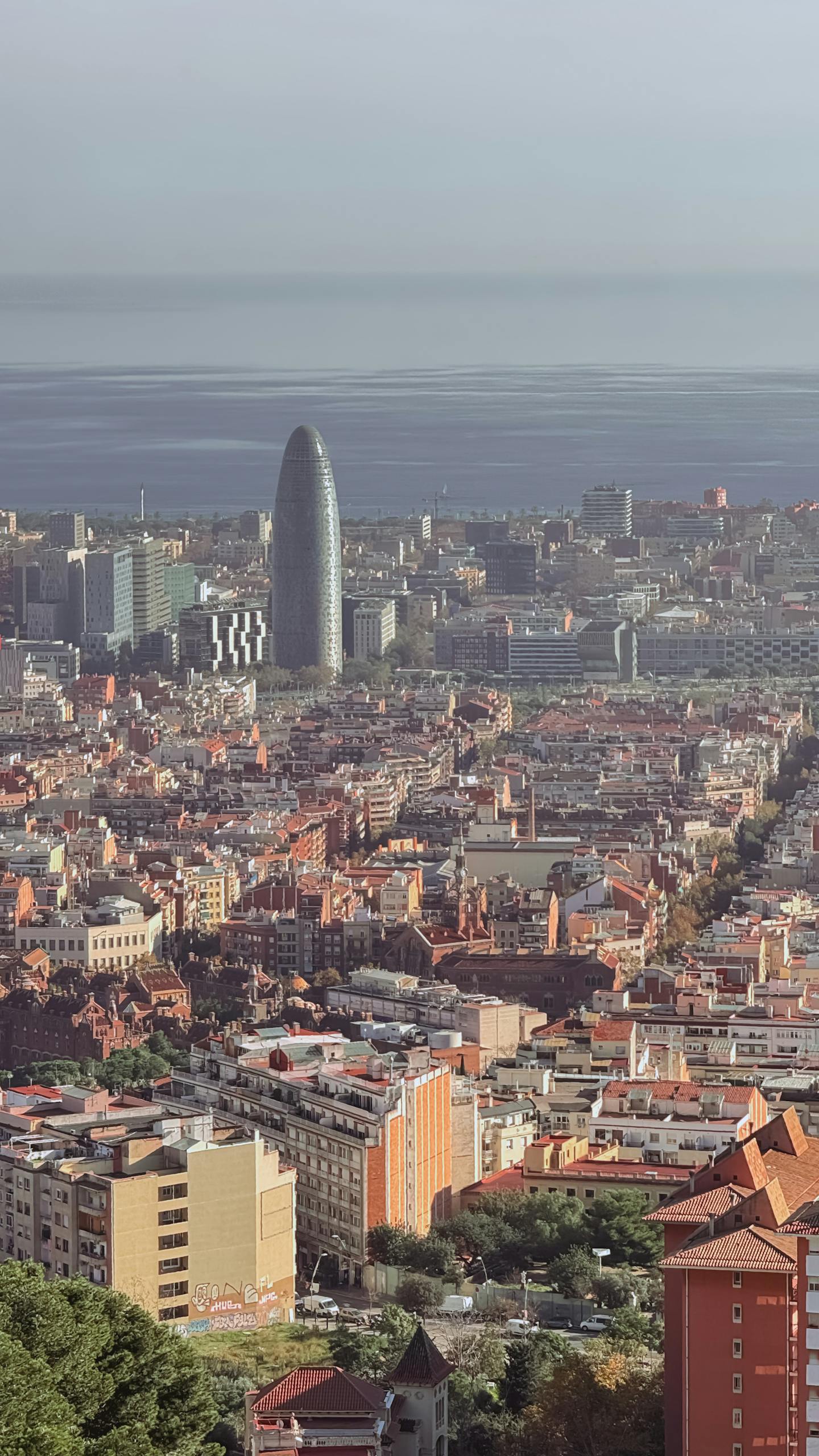
Barcelona marked the grand finale of our 15-day transatlantic journey aboard the Carnival Dream, and honestly, it couldn’t have been a better ending. Stepping off the ship into Barcelona felt like walking straight into a postcard—except this one smelled like cured ham, fresh bread, and espresso.
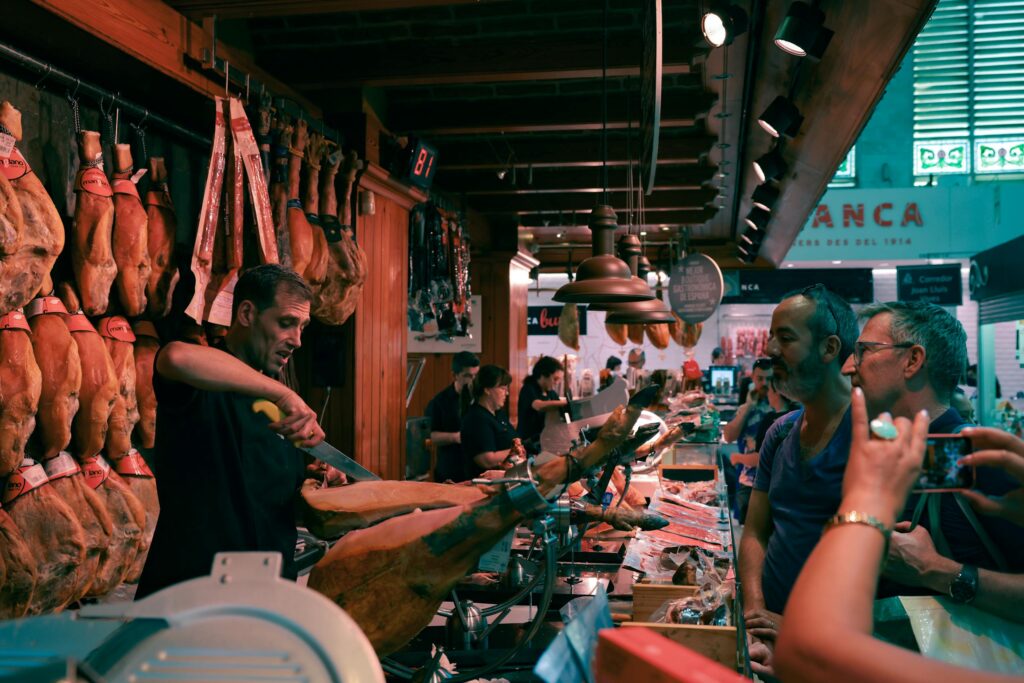
One of the first things you notice? The legs of jamón hanging in shop windows. No joke—entire storefronts lined with these beautifully aged cuts of ham, just casually on display like artwork. Pair that with bustling tapas bars serving up small plates of everything from garlic shrimp to crispy croquettes, and yeah… it’s game over for your diet.
And don’t even get me started on the pastries. Flaky, buttery, sometimes filled with cream or chocolate—perfect fuel for a full day of exploring. Barcelona doesn’t just feed you, it spoils you.
Want to book a tour in Barcelona? Viator has all the options!
Barcelona’s Hero, Antoni Gaudí
If Barcelona feels different, it’s largely thanks to one man: Antoni Gaudí. His work is everywhere, and it’s impossible to ignore. Gaudí wasn’t just an architect—he was an artist who blurred the lines between nature, religion, and design.
His signature style? Think organic shapes, vibrant mosaics, and structures that almost look alive.
Gaudí isn’t just important here—he is Barcelona’s architectural identity. He played a huge role in defining Catalan Modernism, and today, his work is basically the visual identity of Barcelona. His work blends nature, religion, and imagination in a way that feels completely original, even today. You’ll see curves where there shouldn’t be curves, colors where you don’t expect them, and details that make you stop and go, “Wait… how did he even think of that?”
Quick side note—people always ask: is the word “gaudy” related to Gaudí? Funny enough, no. The term “gaudy” actually predates him and has completely different origins. Still, the comparison kind of sticks when you see his bold, colorful designs.
Now, when it comes to sightseeing, there are two places that basically define the Barcelona experience—and both were designed by the legendary Antoni Gaudí.
Sagrada Familia
Let’s start with the showstopper: Sagrada Familia. This basilica is hands-down one of the most breathtaking structures in the world—and it’s still under construction more than a century after it began.
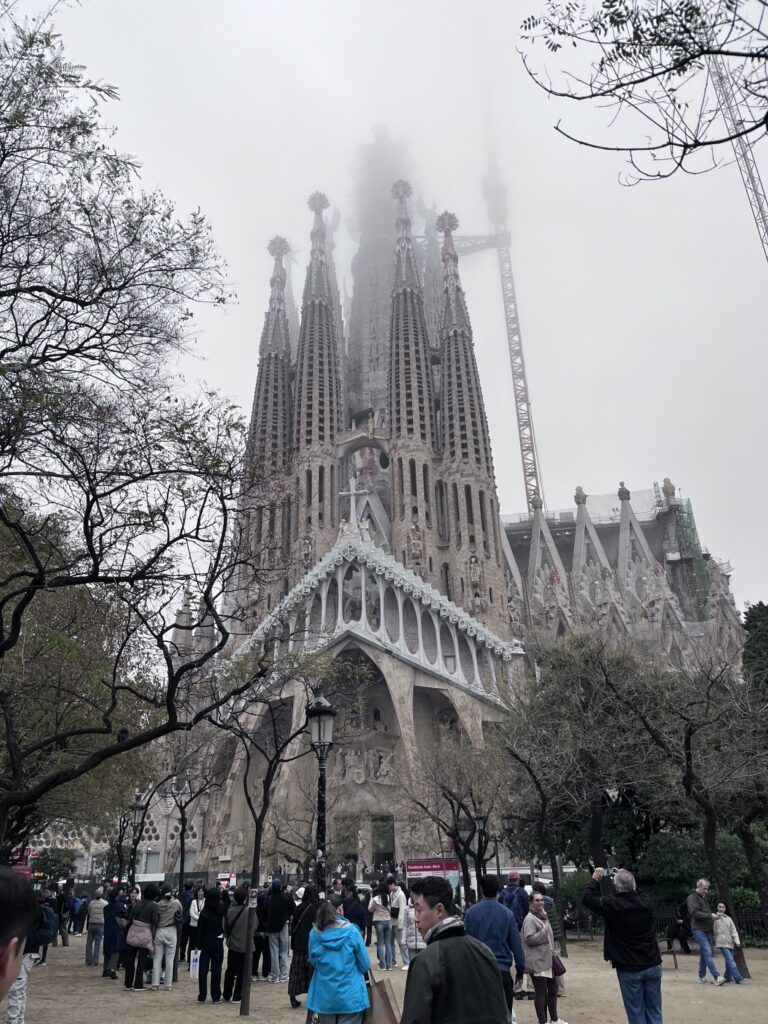
Here’s the deal: you need timed tickets. During peak travel seasons, these sell out days in advance, so plan ahead. When we visited in March, we were able to snag same-day tickets—but that’s not something you want to gamble on. Also, be careful with third-party ticket sites. There are a lot of resellers charging way more than necessary—and some are just straight-up scams. Stick with the official Sagrada Familia website or, even better, download their app. The app makes everything smoother. You can buy tickets directly, and it includes access to the audio tour—which, surprisingly, is really well done. You can pay extra for a live guide, but honestly, the audio guide gives you plenty of insight without feeling rushed.
And seriously—avoid third-party ticket sites. There are a lot of overpriced and even sketchy listings out there. Your best bet is the official Sagrada Familia website or their app, which honestly makes everything easier. Bonus: the app includes the audio tour, and it’s actually really solid.
You can pay extra for a live guide, but the audio tour gives you plenty of context without feeling rushed. Just make sure to download your tickets before leaving Wi-Fi—cell service around the basilica can be hit or miss.
Once you arrive, expect to show your ticket multiple times to pass through a series of security check points. Once you’re inside the official site you can’t leave and re-enter, so make sure you don’t miss anything.
Take your time outside first. The facades are loaded with intricate details, and the audio guide does a great job walking you through them. Then you step inside—and wow. The scale, the light filtering through the stained glass, the sheer height of the columns—it’s unreal. Find a seat in the pews and just sit for a bit. Seriously. Take it in. And keep it respectful—this is still an active religious site, so keep voices low.
Park Güell
The second must-see site in Barcelona is Park Güell. While it didn’t quite blow us away like Sagrada Familia, it’s still absolutely worth your time. It’s definitely one of the most unique parks you’ll ever visit.
Again, buy your tickets from the official Park Güell site. Third-party sellers tend to mark up prices, and there’s really no benefit. Also, plan your route ahead of time. There are multiple entrances, and if you know what you want to see, you can strategize which entrance will beb best for your tour.
The park sits on Carmel Hill (Turó del Carmel), so yeah, there’s some climbing involved. The good news? Much of it is accessible via ramps, though certain areas require stairs.
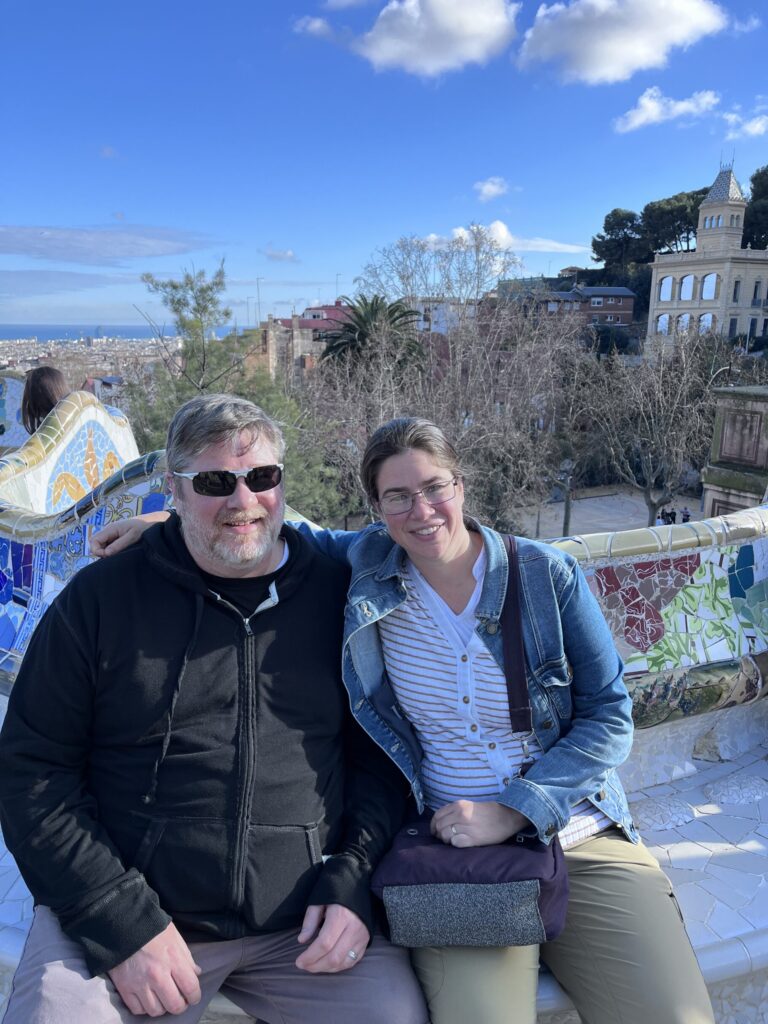
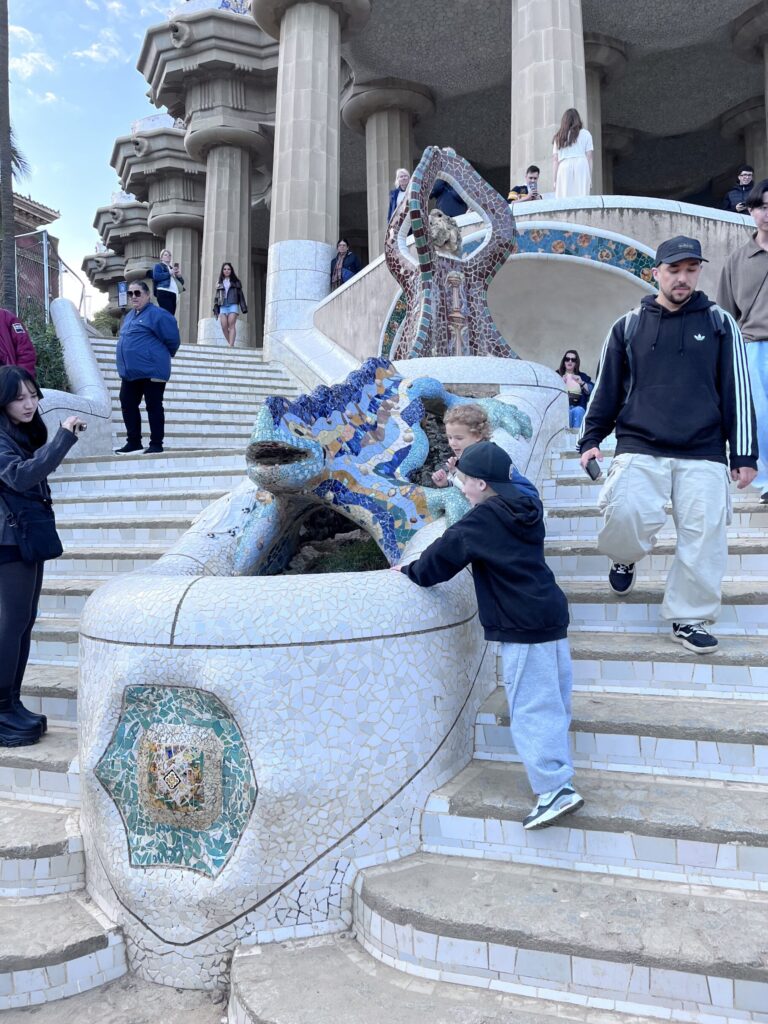
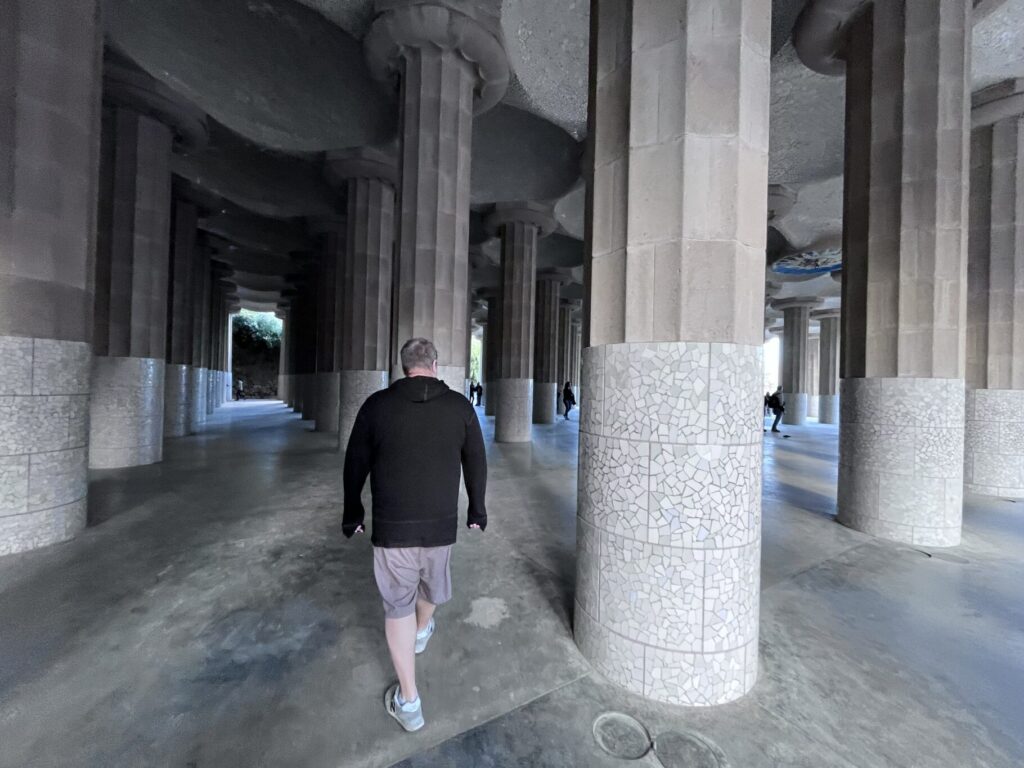
The highlight for most visitors is the famous mosaic terrace, known as the Plaça de la Natura. That’s where you’ll find those iconic serpentine benches covered in colorful tilework. It’s packed, but still worth it. Don’t skip the viaducts—they’re these sweeping stone pathways that feel almost Roman in design. Underneath the main terrace, you’ll find a forest of columns that give the space a surreal, almost temple-like vibe. And right near the main entrance? The famous mosaic dragon, “El Drac.” It’s smaller than you might expect, but it’s one of the most photographed spots in the park.
Gaudí House Museum
Inside the park, you’ll also find the Gaudí House Museum, which was once the residence of Antoni Gaudí himself. The museum generally operates during daytime hours, typically opening around 9:30 in the morning and closing in the late afternoon or early evening depending on the season.
It’s important to know that admission to the museum is not included with the standard Park Güell ticket, so you will need to purchase a separate ticket or a combination option if you want to go inside. While the museum offers an interesting glimpse into Gaudí’s personal life and design style, the experience itself can feel a bit tight. The space is relatively small and packed with a steady stream of visitors moving through at a snail’s pace. If you’re someone who is prone to claustrophobia, this is probably one to skip.
Not Our Last Visit to Barcelona
Barcelona has way more to offer than you can realistically fit into a single port day. Beyond Gaudí’s masterpieces, there’s the famous La Rambla, the historic Gothic Quarter, the buzzing La Boqueria Market, and even the beachfront along Barceloneta.
We didn’t make it to all of those spots—and honestly, that stings a little—but it also gives us the perfect excuse to come back. Because Barcelona isn’t a one-and-done kind of city, it’s the kind of place that pulls you in, leaves a few things unexplored, and quietly promises there’s more waiting next time.