Paradise Lost? A Vacation Celebration Turns Into a Nightmare
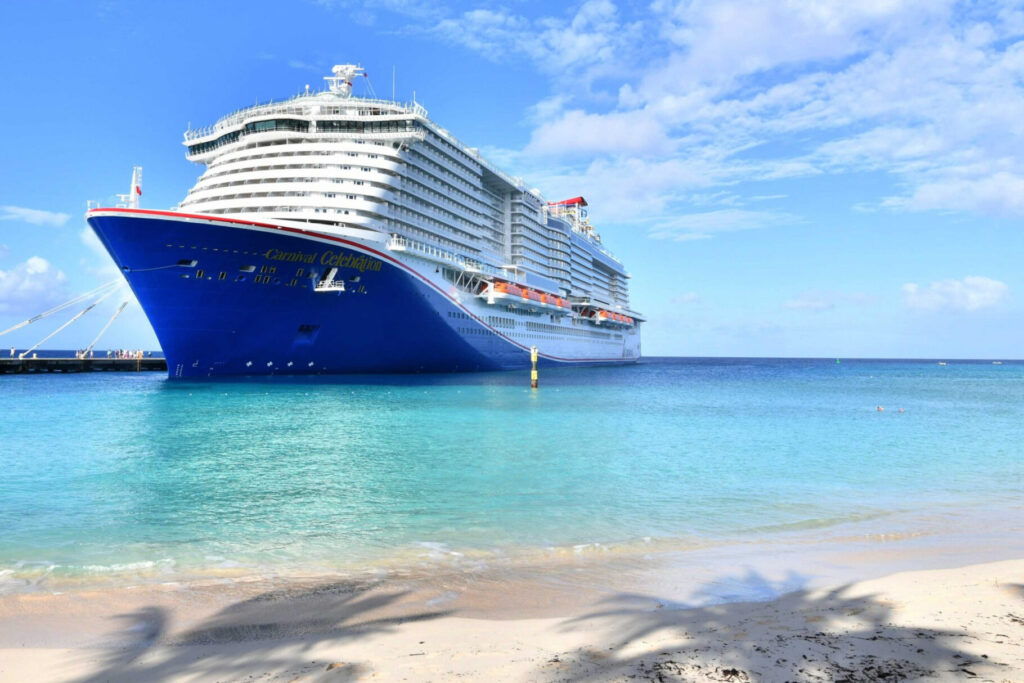
Cruise vacations are supposed to be about relaxation, adventure, and making memories. For one young passenger aboard Carnival Celebration, however, a graduation trip to the Bahamas turned into a life-altering tragedy that is now raising uncomfortable questions throughout the cruise industry.
A lawsuit filed against Carnival Corporation and several Bahamas-based excursion operators stems from an accident that occurred during a shore excursion near Nassau in May 2025. According to court filings, 22-year-old Hannah Smith suffered catastrophic injuries after being pulled into a ferry boat’s propellers while participating in an excursion sold to Carnival guests. The injuries ultimately resulted in the amputation of both of her legs.
The incident has attracted significant attention not only because of its severity, but because it highlights a longstanding debate about the relationship between cruise lines and the third-party operators that provide many of the excursions marketed directly to passengers.
The Disturbing Allegations Behind the Lawsuit
According to allegations contained in the lawsuit, the excursion involved extensive alcohol consumption throughout the day at a private island destination near Nassau.
The complaint claims excursion staff encouraged excessive drinking and provided guests with large quantities of alcohol. The lawsuit reports that Smith’s blood alcohol level reached 0.447, four times what is considered legally impaired in Florida. It further alleges that employees instructed Smith to enter the water when she needed to use a restroom while waiting near a ferry vessel. Moments later, she was pulled into the ferry’s propellers after the boat’s engines were engaged.
The allegations have not yet been proven in court, and the defendants are expected to challenge many of the claims. However, the details have generated intense discussion among cruise passengers, travel attorneys, and industry observers who closely follow maritime safety issues.
The Fine Print: Why Cruise Lines Often Avoid Liability
One of the most important aspects of this story may not be the accident itself, but the legal framework surrounding cruise excursions.
Most major cruise lines, including Carnival, include language in their passenger contracts that explicitly limits their liability for incidents involving independent tour operators. These contracts generally state that shore excursions are operated by separate companies and that the cruise line is not responsible for the acts, omissions, negligence, equipment, transportation, or conduct of those operators.
In simple terms, when passengers purchase many shore excursions through a cruise line, the excursion may be marketed through the cruise company’s website and sold onboard, but it is often run by an entirely separate business.
That distinction has protected cruise lines from liability in numerous cases over the years.
Yet this lawsuit raises an increasingly important question: Is a contractual disclaimer enough if a cruise line continues offering excursions that have generated repeated complaints or safety concerns?
Does Selling an Excursion Create a Duty of Care?
Smith’s lawsuit argues that Carnival either knew or should have known about concerns involving the excursion operator based on prior passenger reviews, online feedback, and publicly available information. If those allegations are upheld in court, cruise lines will no longer be able to rely on contractual language to shield themselves from responsibility. After all, passengers often assume that excursions promoted through a cruise line have been thoroughly vetted. Many travelers specifically purchase cruise-sponsored tours because they believe those activities have undergone additional safety review compared to independently booked excursions.
That’s not a crazy assumption. In fact, cruise lines frequently market their shore excursions as carefully selected experiences designed to provide convenience and peace of mind.
What Travelers Should Know Before Booking Excursions
While the courts ultimately decide liability, passengers can take several practical steps to protect themselves.
First, read independent reviews in addition to the descriptions provided by the cruise line. Look for recurring complaints involving safety procedures, equipment maintenance, transportation issues, or excessive alcohol consumption.
Second, consider purchasing comprehensive travel insurance that includes emergency medical treatment and medical evacuation coverage. Serious accidents at foreign ports can generate medical expenses that quickly reach six figures.
Finally, review your cruise contract carefully. Many travelers are surprised to learn how extensively cruise lines limit liability for third-party operators.