
A Bold New Card Design Signals a New Era for Carnival Loyalty
Carnival Cruise Line is giving one of its most recognizable onboard items a major makeover. As excitement continues to build around the upcoming Carnival Rewards program, the cruise line has unveiled a redesigned Sail & Sign card that reflects the company’s broader shift toward a modernized loyalty experience.
For many cruisers, the Sail & Sign card is more than just a room key. It serves as an onboard payment method, identifies loyalty status, grants cabin access, and often becomes a keepsake from a memorable vacation. Now, Carnival is turning that practical piece of plastic into a visual symbol of its next-generation rewards strategy.
The redesign arrives as Carnival prepares to transition from its longtime VIFP Club loyalty program to Carnival Rewards, a new spend-based rewards system scheduled to launch in 2026. The updated card is one of the first visible changes guests will notice as the cruise line begins rolling out the new program.
What’s New About the Sail & Sign Card?
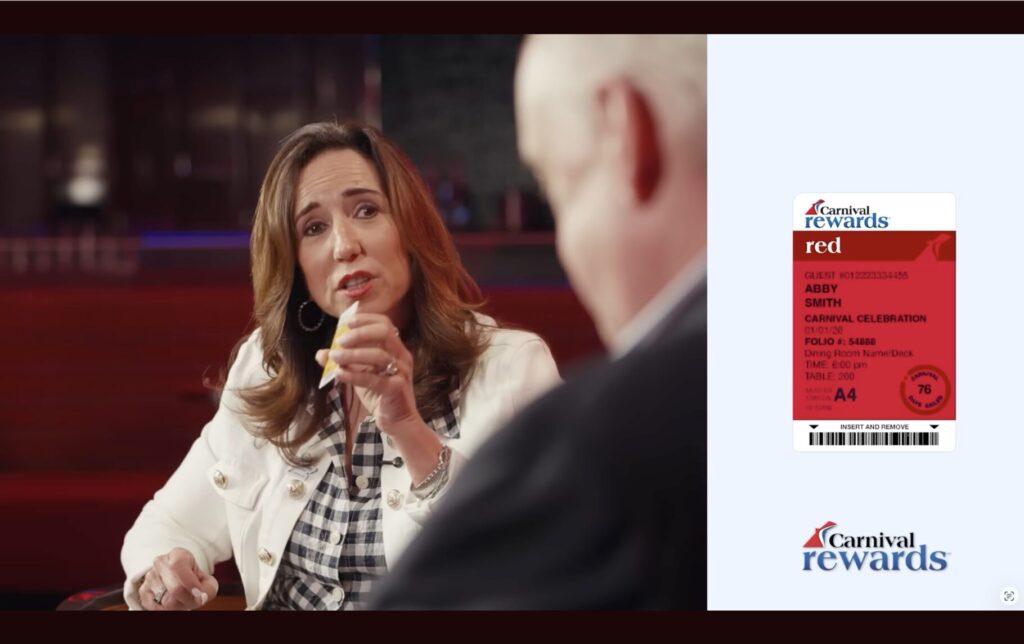
The refreshed Sail & Sign card features a cleaner, more contemporary appearance that aligns with Carnival’s updated branding. While previous cards primarily focused on displaying loyalty tiers through color coding, the new version appears designed to better integrate with the upcoming Carnival Rewards ecosystem.
The card redesign also highlights Carnival’s effort to create a more premium guest experience. Cruise lines across the industry have increasingly invested in visual branding and loyalty recognition, and Carnival seems determined to keep pace. Carnival Rewards represents one of the biggest changes to the company’s loyalty strategy since the VIFP Club launched in 2012.
How Carnival Rewards Will Work
Overview of Carnival Rewards
The upcoming Carnival Rewards program introduces a dual-earning structure that separates rewards from status qualification.
Under the new system, guests will earn:
- Carnival Rewards Points that can be redeemed for future cruise purchases and onboard experiences.
- Status Qualifying Stars that determine loyalty tier status.
Instead of relying primarily on sailing days, Carnival Rewards will place greater emphasis on spending. Cruise fares, onboard purchases, shore excursions, specialty dining, spa treatments, casino activity, and eligible credit card purchases can all contribute toward earning rewards.
This move brings Carnival closer to the loyalty models used by major airlines and hotel chains, where customer spending often matters more than simple trip frequency.
The Role of the Carnival Rewards Mastercard
A major component of the new program is the Carnival Rewards Mastercard, issued in partnership with Barclays.
The credit card will allow cardholders to earn points through everyday purchases, not just while cruising. That means groceries, gas, dining, streaming subscriptions, and routine household expenses could help travelers accumulate rewards toward future Carnival vacations. Current holders of the Carnival World Mastercard won’t lose their accumulated value. Existing Fun Points will convert into Carnival Rewards points when the new program officially launches in September.
Why Carnival Made the Change
Carnival executives have openly acknowledged that the popularity of the VIFP Club created challenges. Over the years, the number of Platinum and Diamond members grew substantially, making it harder to provide truly exclusive perks for top-tier guests.
Carnival President Christine Duffy has stated that the new program is intended to provide more meaningful recognition while creating additional ways for guests to engage with the brand. The goal is to reward both cruising activity and overall spending within the Carnival ecosystem.
Not surprisingly, the announcement generated plenty of discussion throughout the cruise community. Some longtime cruisers appreciate the additional earning opportunities, while others have expressed concerns about moving away from a sailing-day-based system. Industry observers note that this debate mirrors similar reactions when airlines and hotel chains shifted toward revenue-based loyalty programs.