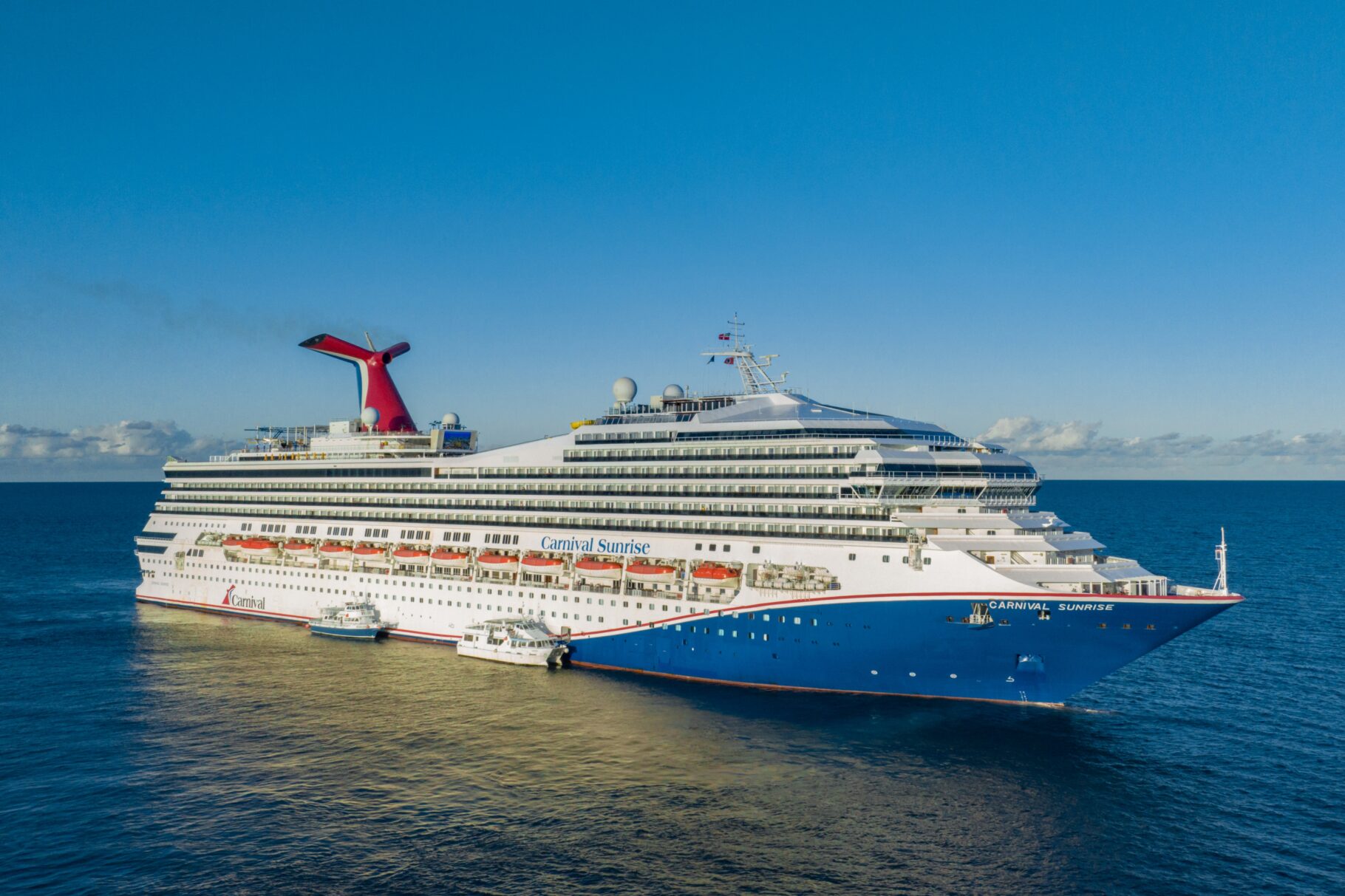
Carnival Sunrise Medical Emergency While Leaving PortMiami
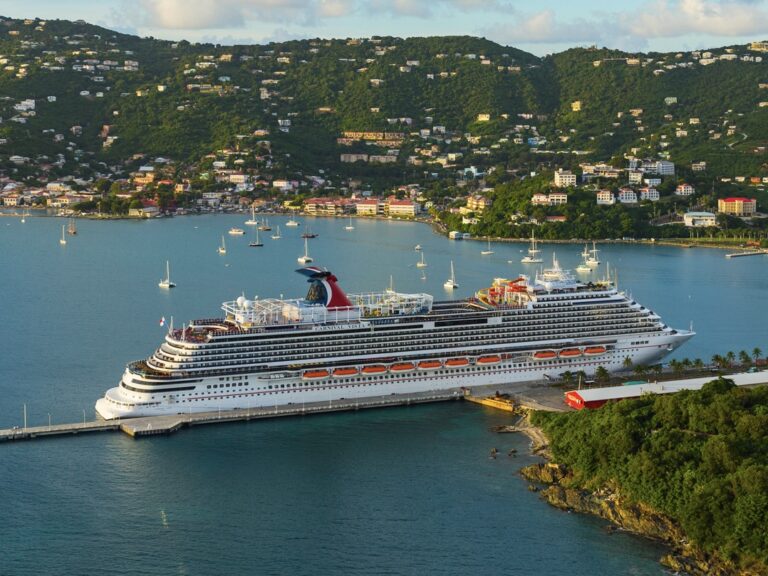
A routine departure from PortMiami quickly turned into an emergency response after a pregnant passenger aboard Carnival Sunrise began experiencing pregnancy complications shortly after the ship left the port.
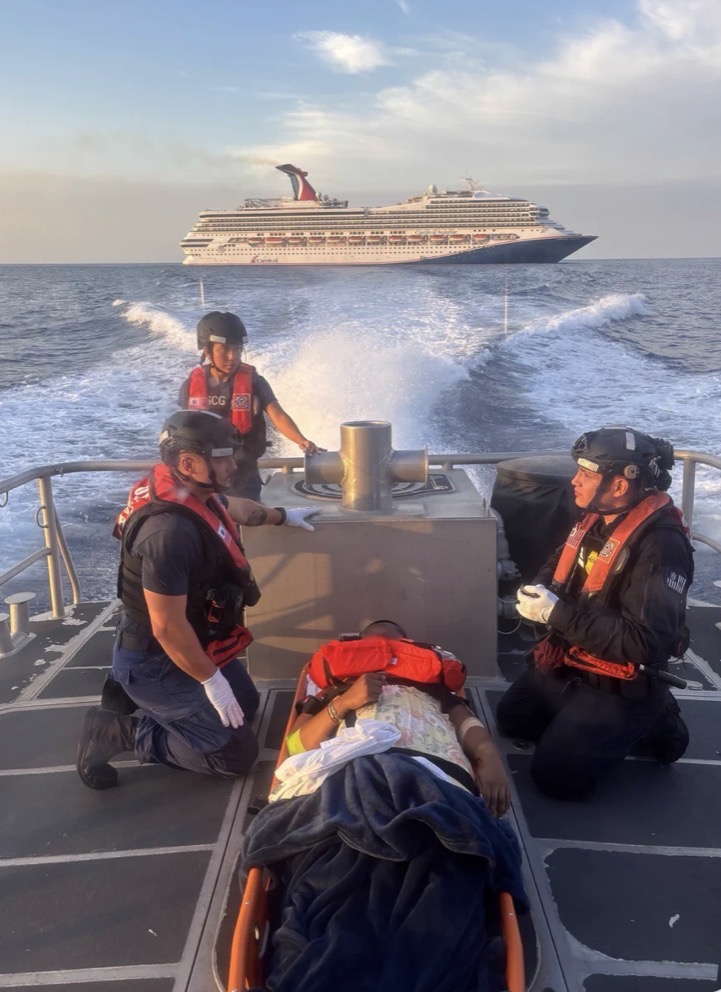
According to the U.S. Coast Guard, a Station Miami Beach rescue crew responded to the cruise ship approximately four miles northeast of Government Cut on July 16. The woman was safely transferred from the cruise ship onto a Coast Guard vessel before being transported to waiting emergency medical personnel on shore for additional treatment. Officials have not released details about her condition, but the successful medical evacuation allowed the cruise ship to continue its scheduled four-day Bahamas itinerary with no further disruption.
The Coast Guard later shared images from the rescue on social media, once again highlighting how quickly first responders can mobilize when medical emergencies occur at sea. While cruise ships have onboard medical centers staffed by doctors and nurses, there are situations where passengers require hospital-level care that simply isn’t available on the ship. That’s when the Coast Guard steps in, and in this case, every minute mattered.
Cruises Are Popular Babymoon Vacation
Cruises have become one of the hottest babymoon vacation choices for expecting parents, and honestly, it’s easy to see why.
Instead of packing and unpacking between destinations, couples can settle into one stateroom while visiting multiple tropical ports. Popular itineraries from Miami to the Bahamas or Caribbean offer relaxing beach days, spa treatments, fine dining, entertainment, and plenty of opportunities to slow down before welcoming a new baby.
For many families, a four- or five-day cruise hits the sweet spot. It’s long enough to disconnect from work but short enough that many expecting mothers still feel comfortable traveling during the second trimester. Cruise lines have also expanded wellness offerings, quieter adults-only spaces, and premium dining that appeal to couples looking for one last getaway before parenthood.
Still, this latest medical evacuation serves as a reminder that even vacations planned around relaxation can take an unexpected turn.
Cruise Line Pregnancy Rules Every Expecting Parent Should Know
Most major cruise lines, including Carnival Cruise Line, Royal Caribbean, Norwegian Cruise Line, Disney Cruise Line, and MSC Cruises, prohibit guests from sailing once they have entered the later stages of pregnancy. While policies vary slightly, most cruise contracts do not allow passengers who will be 24 weeks pregnant or more at any point during the cruise.
The reason isn’t simply liability.
Cruise ships have medical facilities that can treat many illnesses and injuries, but they are not equipped to care for extremely premature babies or provide the advanced neonatal intensive care that may be required if labor begins unexpectedly. If a ship is hundreds of miles from shore, reaching a specialized hospital may take hours.
For that reason, cruise lines require pregnant guests to certify their expected due date before sailing, and anyone exceeding the pregnancy cutoff will be denied boarding.
Pregnancy Complications Can Happen at Any Stage
One of the biggest misconceptions about pregnancy is that the highest risk only exists during the final weeks.
In reality, pregnancy complications can develop during any trimester.
Conditions such as severe bleeding, high blood pressure, abdominal pain, dehydration, ectopic pregnancy, preterm labor, placental problems, or sudden changes in fetal movement may require immediate medical attention. Even women with healthy, low-risk pregnancies can experience unexpected emergencies.
That’s why medical professionals encourage expecting mothers to discuss travel plans with their healthcare provider before booking any vacation. Factors such as previous pregnancy history, existing medical conditions, multiple pregnancies, or other risk factors may influence whether cruising is a good idea.
Every pregnancy is different, and there is no guarantee that a complication will wait until after the vacation is over.
Why Travel Insurance Is Worth Considering
Medical evacuations from cruise ships are rare, but they do happen every year.
While the U.S. Coast Guard performs search-and-rescue missions without billing rescued individuals, travelers may still face significant costs after reaching shore. Ambulance transportation, emergency room treatment, hospitalization, specialist care, hotel stays for family members, rebooking flights, and trip interruptions can become expensive very quickly depending on where the emergency occurs.
That is why many experienced cruisers recommend purchasing comprehensive travel insurance that includes emergency medical coverage and trip interruption benefits.
Travel insurance cannot prevent a medical emergency, but it can provide financial protection when an unexpected situation forces a vacation to end early. For expecting parents planning a babymoon, reviewing the policy’s pregnancy coverage before purchasing is especially important because not every insurer covers pregnancy-related medical claims the same way.
Plan for every detail of your cruise babymoon with our Ultimate Cruise Planner!
Designed from my own cruising adventures, this planner helps me stay organized at sea. With packing checklists, budget trackers, and a daily schedule, it keeps your vacation organized and stress-free. A must-have for first-time cruisers and seasoned sailors alike!