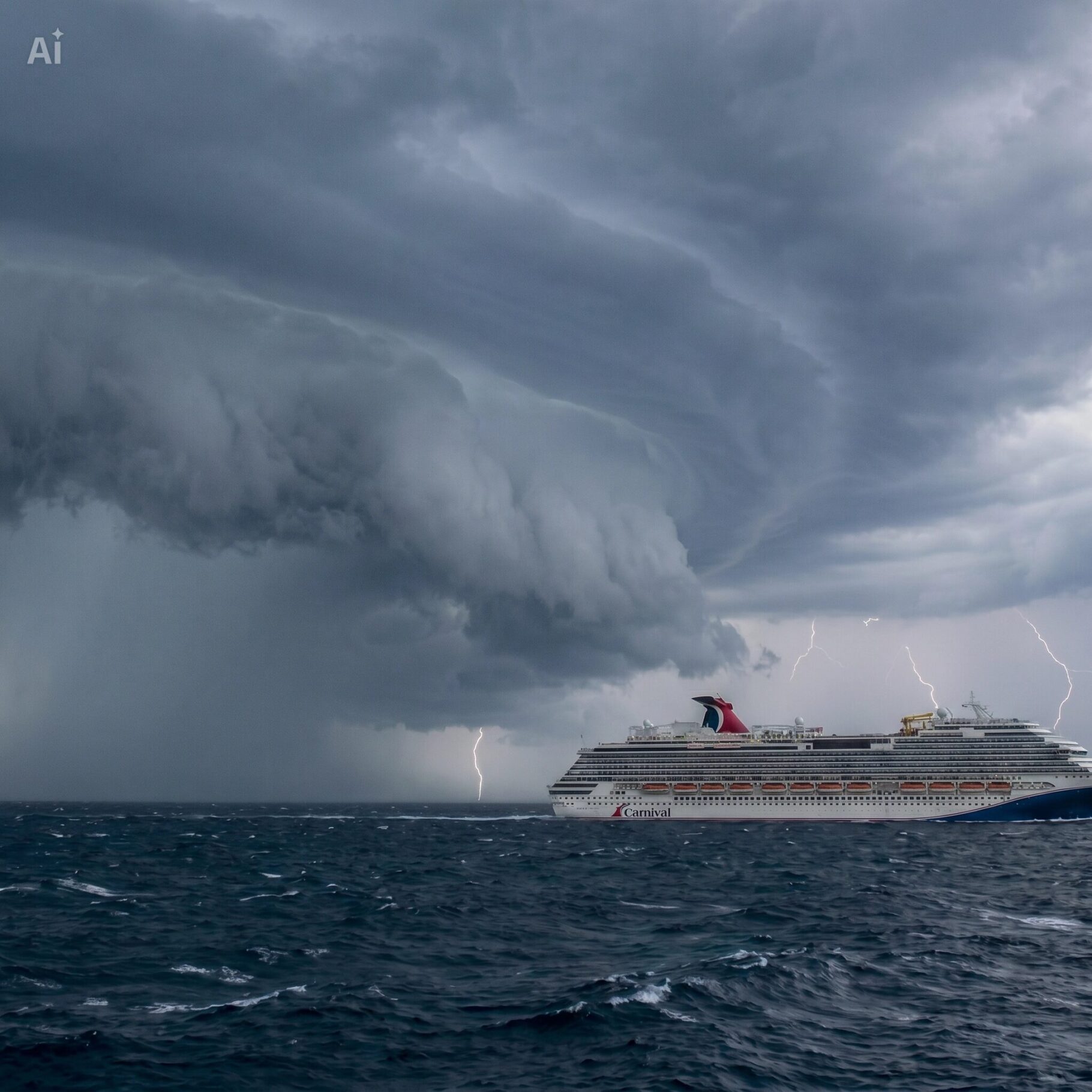
When Tropical Weather Threatens, Cruise Lines Already Have a Plan
Every summer and fall, travelers book Caribbean cruises while keeping one eye on the weather forecast. Hurricane season in the Atlantic officially runs from June 1 through November 30, and for many first-time cruisers, the same question comes up: what actually happens when a hurricane threatens a cruise vacation?
According to cruise industry leaders, the answer is surprisingly simple—ships move.
That was the key message recently shared by Carnival Cruise Line’s Brand Ambassador John Heald, who addressed growing concerns from guests about hurricanes and tropical storms affecting sailings. Heald explained that cruise ships are not stationary resorts. Instead, they are highly mobile vessels equipped with advanced weather monitoring systems and supported by teams of meteorologists who track storms around the clock.
As Heald told guests, cruise ships are not going to sail into a hurricane. Safety remains the cruise line’s top priority, and itinerary changes are often made days before passengers even see headlines about an approaching storm.
The Technology Behind Modern Cruise Weather Tracking
Today’s cruise industry operates with far more sophisticated forecasting tools than many travelers realize.
Major cruise lines including Carnival, Royal Caribbean, Norwegian Cruise Line, MSC Cruises, and Disney Cruise Line maintain dedicated operations centers that receive constant updates from meteorologists, government agencies, and weather forecasting models. Carnival weather contributor Amy Sweezey recently noted that one of the biggest advantages of cruising during hurricane season is that “your cruise vacation is a resort that floats.” That flexibility allows captains and operations teams to reroute ships away from dangerous conditions long before passengers are at risk.
Modern forecasting accuracy has also improved dramatically over the past two decades. NOAA reports that hurricane track forecasts today are significantly more accurate than they were even ten years ago, allowing cruise lines to make earlier and more precise operational decisions.

What Passengers Can Expect When a Hurricane Develops
The most common outcome is not a cancellation. Instead, cruise lines typically modify itineraries. A Western Caribbean cruise may become an Eastern Caribbean sailing. A stop in Cozumel could be replaced by Nassau. Sometimes an entirely different region becomes the destination. For passengers, this can be frustrating, especially if a bucket-list port visit gets removed. However, cruise contracts clearly state that itineraries may change due to weather, safety concerns, or operational needs.
Cruise lines may also adjust embarkation and debarkation times if a storm threatens a homeport such as Miami, Port Canaveral, Galveston, New Orleans, or Tampa. John Heald has repeatedly reminded guests that captains are given wide authority to alter routes whenever severe weather develops. In many cases, ships simply sail hundreds of miles around a storm system and continue operating normally.
Hurricane Season Remains a Busy Time for Cruising
Despite weather concerns, hurricane season continues to be one of the most popular and affordable periods for Caribbean cruises. Travelers often find lower fares between August and October, with cruise lines offering significant discounts compared to winter sailings. Industry experts note that the vast majority of cruises during hurricane season operate successfully, even when tropical storms develop elsewhere in the region.
That may be especially important as meteorologists continue monitoring Atlantic storm activity. NOAA’s recent outlook projected an active Atlantic hurricane pattern for 2026, forecasting between 13 and 19 named storms, including as many as 10 hurricanes and up to 5 major hurricanes. While those numbers may sound alarming, experts consistently emphasize one key point: seasonal forecasts do not predict where storms will travel. Even during active seasons, most cruises sail without major disruption.
In fact, a cruise ship may be a safer vacation bet than a land-based resort. While coastal hotels cannot move away from approaching storms, ships can reposition to calmer waters. This doesn’t mean passengers won’t occasionally encounter rough seas. Tropical systems can create larger swells even hundreds of miles away from the storm center. Motion sickness medication is often recommended during peak hurricane season voyages. Still, direct encounters between cruise ships and hurricanes are extremely rare because modern forecasting provides enough warning for vessels to change course.
For travelers considering a Caribbean cruise during hurricane season, flexibility remains the secret weapon. Ports may change. Routes may shift. But the cruise itself will usually go on.
Be prepared for rough waters on your cruise! Check out our favorite seasickness remedies:
Say goodbye to queasy days at sea with Sea Bands. These drug-free wristbands use gentle acupressure to relieve nausea naturally—no drowsiness, no side effects. Wear them on your cruise and feel steady even through choppy waters. A simple, effective solution for smooth sailing anywhere you travel.


Don’t let motion sickness ruin your cruise. Dramamine provides fast, effective relief from nausea, dizziness, and vomiting—perfect for rough seas or tender boat rides. I always pack it just in case, and it’s saved more than one vacation day. Choose original or non-drowsy formula to fit your needs.

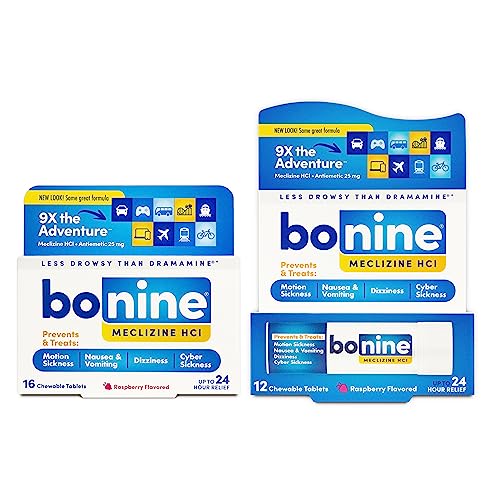
Don't let motion sickness ruin your dream cruise vacation. Whether you're sailing through the Caribbean during hurricane season or enjoying a scenic Alaska voyage, Bonine Non-Drowsy Motion Sickness Relief helps you stay comfortable and focused on the fun. Each tablet contains 25mg of meclizine HCL to help prevent nausea, dizziness, and motion sickness before symptoms start.