
Cruise Scams Exposed: What You Need to Watch Out for in 2026
Cruises are supposed to be the ultimate in carefree travel — sunshine, ocean air, and someone else doing the cooking. But as the cruise industry roars back to record-breaking passenger numbers, a shadow industry has grown alongside it: one populated by sophisticated criminals who have learned to exploit everything from Google search results to your vacation excitement.
The numbers are staggering. More than 38 million passengers are expected to set sail in 2026, up sharply from the 29.7 million who cruised before the pandemic. That audience is too large and too lucrative for scammers to ignore. Carnival, Royal Caribbean, and Norwegian Cruise Line have all issued passenger alerts within the past year. Cruise industry watchdog Consumer Rescue reports that ship passengers are among its most frequent callers — typically reaching out only after the damage is already done.
What follows is an account of the most active, most damaging scams hitting cruise travelers right now — and specific steps you can take to protect yourself.
The Fake Phone Number

How Scammers Game Your Google Search
It starts innocuously. You have a minor issue with your reservation — a name correction, a payment question, a cabin upgrade request. You open Google, type your cruise line’s name, and dial the number at the top of the results. What happens next has cost some travelers thousands of dollars.
“I called the Carnival Cruise Line number listed in Google Search results because I was having trouble with a minor check-in issue. While I was explaining the issue, the agent said there’s a promotion going on and if he cancels my reservation and rebooks the exact same cruise for me, he can get me about $1,000 cheaper.” — Carnival cruiser, via Reddit
This tactic — known in cybersecurity circles as “malvertising” — involves scammers purchasing Google ads or gaming search rankings to push fake customer service numbers to the top of search results. Travelers, trusting what appears in Google, dial in and reach a convincing imposter. The fake agent then attempts to collect payment, rebook reservations, or harvest personal data.
In June 2025, Google’s Trust & Safety team acknowledged a measurable increase in travel malvertising as the summer booking season accelerated, pledging to suspend advertisers found impersonating travel brands. Despite those efforts, reports of the scam continue to surface.
🛡 HOW TO PROTECT YOURSELF
- Never dial a phone number from a Google search result. Navigate directly to your cruise line’s official website and find contact information there.
- If you receive an unsolicited call from someone claiming to represent your cruise line, ask verification questions: “What is my final payment due date?” Do not volunteer information if the caller cannot answer.
- Download your cruise line’s official mobile app. Legitimate representatives will never redirect you to payment through channels outside the app or official website.
- Report fake numbers to Google via the “Report” function on the search result, and file a complaint with the FTC at ReportFraud.ftc.gov.
The Ghost Travel Agent

Travel Scams That Leave You Stranded at the Port
In a case that made international headlines in early 2026, a New York-based travel agent allegedly accepted large sums of money from multiple clients for Royal Caribbean cruises that were never booked. Victims arrived at the port, bags packed and excitement high, only to discover their names did not appear in any reservation system. Total losses across the affected travelers exceeded $35,000.
It is a nightmare scenario — and it is not isolated. There is no universal licensing requirement to call yourself a travel agent in the United States, which means that fraudsters can build convincing-looking businesses with virtually no barrier to entry. Social media has accelerated the problem: fake agents set up professional-looking pages, post enticing deals, collect deposits via payment apps like Zelle or Venmo, and vanish.
The hallmarks of a fraudulent agent are consistent: they resist providing a verifiable booking confirmation number, they request payment via wire transfer or payment apps without buyer protection, and their “deals” tend to be significantly below market value — which, in travel, is almost always a signal that something has gone wrong.
🛡 HOW TO PROTECT YOURSELF
- Demand a booking confirmation number within 24–48 hours of any deposit. Plug that number directly into the cruise line’s official website to verify your reservation independently.
- Look for CLIA (Cruise Lines International Association) or ASTA (American Society of Travel Advisors) credentials. Both organizations maintain searchable member directories.
- Pay by credit card only. Wire transfers, Zelle, Venmo, and gift cards offer no fraud protection and are the preferred payment method of scammers.
- Search the agent’s name or company alongside the word “scam” or check the Better Business Bureau for complaints.
The Fake Government Site
ETA and Visa Document Scams Are Surging
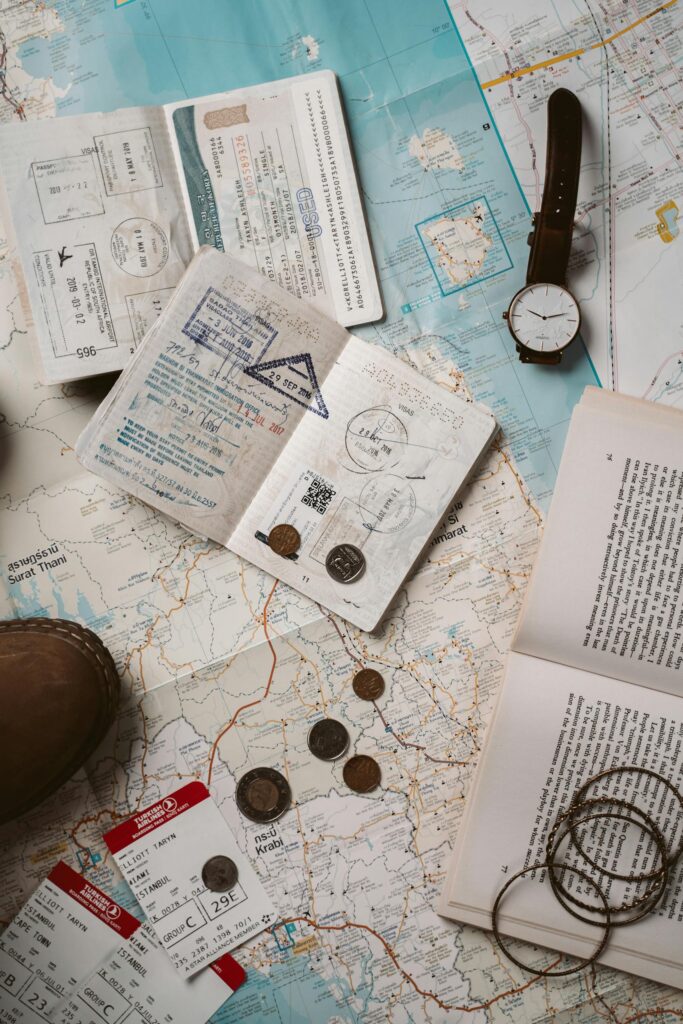
If your cruise stops at a port outside of the US — which covers the vast majority of voyages — there is a good chance you need to obtain some form of travel authorization before you board. And if you search for that authorization online, there is a meaningful risk that the first result you click is a scam.
The United Kingdom launched its Electronic Travel Authorisation (ETA) in January 2025, requiring most non-UK travelers to obtain pre-clearance before arrival. The EU is rolling out its own system, called ETIAS, in 2026. Even the small Caribbean island of St. Maarten has introduced a new Embarkation/Debarkation form for cruisers.
These new requirements, unfamiliar to many travelers, have created exactly the conditions scammers thrive on: urgency, confusion, and a Google search box.
Carnival Cruise Line Brand Ambassador John Heald flagged the problem explicitly to his 600,000-plus Facebook followers after passengers began arriving at UK ports with fraudulent-looking ETA confirmations. Heald reported that guests had paid between $90 and $200 to fake websites that mimicked the official UK government portal — with counterfeit approval documents that fell apart at check-in. The legitimate UK ETA costs £16 (approximately $21) and is obtained exclusively through the UK government’s official app or GOV.UK.
Beyond the financial loss, there is a more alarming risk: many of these fake ETA sites are not just charging inflated fees. They are collecting passport numbers, dates of birth, and home addresses — precisely the data needed for identity theft.
🛡 HOW TO PROTECT YOURSELF
- Always apply for ETAs, ESTAs, or any electronic travel authorization directly through official government websites (GOV.UK for the UK ETA; cbp.dhs.gov for the U.S. ESTA). If the URL does not end in an official country-level domain (.gov, .gov.uk, etc.), treat it with extreme skepticism.
- Follow ETA and visa links provided directly by your cruise line in official booking communications — not through a Google search.
- Be aware of the actual cost. The UK ETA is £16. The US ESTA is $21. Any site charging significantly more is almost certainly a middleman or outright fraudster.
- After applying, confirm your approval looks legitimate and matches the description in official government guidance before traveling.
The Phishing Line
Scammers Who Already Know Your Booking Details
Most people know to be suspicious of a generic phishing email. What they are not prepared for is one that already knows their ship name, their travel dates, and their reservation ID.
In January 2025, Bitdefender’s cybersecurity researchers documented a wave of cruise passengers receiving similarly targeted communications from scammers posing as Carnival Cruise Line representatives. The fraudsters claimed passengers had unpaid balances requiring immediate attention, then used deceptive emails, fake online ads, and spoofed phone numbers to pressure guests into handing over credit card details.
Where are scammers getting real booking details? In part, from travelers themselves. Booking details shared in Facebook cruise groups, roll-call forums, and social media posts — sailing dates, ship names, cabin numbers, booking IDs — give fraudsters the raw material to craft highly credible impersonations. In some cases, scammers may also obtain personal details through data breaches, pairing stolen booking information with official-looking logos to build messages that are difficult to distinguish from genuine cruise line communications.
Cruise contracts add another layer of risk: the fine print typically states that the cruise line is not liable if a passenger willingly provides their information to a third party. That means if you fall for a convincing impersonation and hand over your booking details, you may have limited recourse through the cruise line itself.
🛡 HOW TO PROTECT YOURSELF
- Never share booking numbers, cabin assignments, or sailing dates in public social media posts or cruise group forums.
- If a caller or email references your booking details, do not take that as proof of legitimacy. Hang up or close the email, then initiate contact with your cruise line directly.
- Enable two-factor authentication on your cruise line account and any email address tied to your reservation.
- Treat any unsolicited contact claiming urgency as a scam until proven otherwise through official channels.
The Shore-Day Hustle

The Ship Won’t Wait!
The ship docks in a port you have been looking forward to for months. As you step off the gangway, someone approaches with a pitch: a better excursion, a cheaper tour, a local experience the ship doesn’t offer. The price is right. The person seems friendly. But the decision you make in that moment could cost you far more than the money in your pocket.
Unofficial port excursions operate across a wide spectrum — some are perfectly fine, some are deeply problematic. The risks fall into two distinct categories that travelers tend to underestimate: financial and physical.
On the financial side, the dynamic is straightforward. Independently booked excursions mean just that: You are on your own, financially and logistically. Ship-sponsored excursions typically include a communication channel back to the crew if the tour runs behind. The cruise ship will either wait or arrange complimentary transportation to the next port if their own excursion is the cause of a delay. Book privately, and no such guarantee exists.
This is where you need to do your own homework. The tour guide standing between you and your cruise ship departure has his own interests, and they are not perfectly aligned with yours. Getting you back to the port with ninety minutes to spare is not what drives his day. That responsibility falls entirely on you. Look at a map the night before, understand roughly how far the port is from where you are heading, and build a realistic return estimate before you commit to any unofficial tour.
On the safety side, the risks are less discussed but arguably more serious. Licensed, cruise-affiliated tour operators are vetted for insurance, vehicle safety standards, and guide credentials. Ad hoc operators at the dock face no such scrutiny. Their vehicles may not be inspected. Their guides may not be certified. Their boats may not carry the appropriate safety equipment. In popular Caribbean and Mediterranean ports, unregulated water-based excursions — snorkeling trips, speedboat tours, cliff-diving outings — are offered by individuals with no formal accountability to anyone. When something goes wrong miles from the port, there is no system in place to help you.
🛡 HOW TO PROTECT YOURSELF
- Book excursions through your cruise line or through operators with verifiable reviews on established platforms (i.e. Viator) before you arrive in port.
- Check the U.S. State Department travel page for your specific destination before disembarking.
- Before accepting any independent tour, ask directly: Is the vehicle licensed and insured? Does the guide hold a local certification? For water-based activities, what safety equipment is on board?
- If you do book independently, confirm the operator’s return time provides a significant buffer — at least 90 minutes — before your ship’s all-aboard time.
- Know approximately how long the return journey to the port takes, and build your own hard turnaround time.
- Never pay for a port excursion in cash to an individual at the dock without a written receipt and a verifiable company name.
- Carry the ship’s emergency contact number and the address of the cruise line’s local port agent.
Taxi Fraud at Cruise Ports
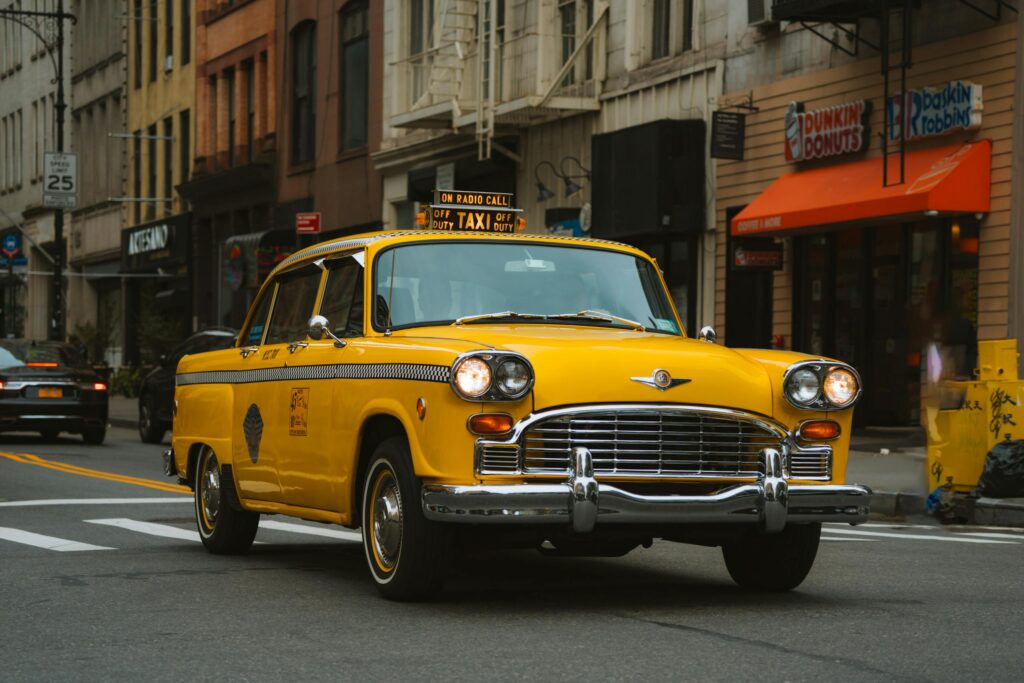
The Surge You Didn’t Budget For
Getting off the ship should be the easy part. You have your day planned, the weather is perfect, and all that stands between you and the beach is a taxi ride. What many cruisers don’t realize until they’re already in the back seat is that ground transportation at cruise ports is one of the most consistently profitable hunting grounds for anyone looking to take advantage of a tourist in a hurry.
But here is something that works strongly in your favor at most major cruise ports, if you know about it: taxi fares are typically fixed, not metered. Port authorities in heavily visited Caribbean and Mediterranean destinations long ago recognized that an unregulated taxi market and thousands of time-pressured tourists were a bad combination. The solution in most ports is a zone-based pricing system, where fares to specific destinations are set by the local taxi union or port authority and posted publicly near the terminal exit.
The problem is that not every driver volunteers this information, and not every passenger thinks to ask. Tourists assume taxis work as they do at home — meter running, fare unknown until arrival. Some drivers exploit that assumption. And while rates are officially fixed, some drivers may still try to add “extras,” particularly when paying in foreign currency.
Ride-share apps feel like a safe, modern solution, but at a cruise port, that logic breaks down quickly. When thousands of passengers disembark simultaneously, local demand for rides spikes dramatically. Uber’s dynamic pricing model responds automatically: surge pricing activates and multipliers can push fares to double or triple the standard rate for the same trip.
This is not a scam in the traditional sense, but it catches cruise passengers off guard. Sometimes, walking a few blocks away from the cruise port or waiting for the bustle to fade can provide relief. Savvy cruisers know to book their ride to and from the cruise port in advance to avoid these spikes.
🛡 HOW TO PROTECT YOURSELF
- Before disembarking, look up the fixed taxi rate to your intended destination at that specific port. Most are published online or on cruise forums for every major stop. Take a photo of the posted rate board at the taxi stand so you have a reference if a driver disputes the fare.
- Use only licensed taxis from the official queue near the terminal. If someone approaches you before you reach the taxi stand offering a ride, decline.
- Agree on the fare — and which currency you’re paying in — before getting in. If paying in local currency, know the approximate exchange rate.
- For ride-share, check the app fare estimate before your ship docks, not at the moment of disembarkation. Scheduling a ride in advance through the app, when possible, can provide more price stability and peace of mind.
- If the surge fare is significantly higher than expected, wait it out. Surge pricing typically dissipates once enough drivers move into the area to meet demand — usually within 20 to 30 minutes, which is rarely a problem when you have a few hours in port.
The Commission Trap

When “Local Advice” Costs You
In Caribbean and Mediterranean cruise ports, a particular social engineering tactic has become almost routine. A friendly, English-speaking local approaches as you step off the ship, radiating the warm familiarity of someone who is glad you are here. They know a great shop. A better restaurant. A shortcut to the best beach.
What they do not mention is the commission waiting for them at the other end of that recommendation. Prices at these referred shops are routinely inflated to cover kickbacks, and the social pressure of following someone who has invested their time in you makes it psychologically difficult to leave without purchasing something.
In some ports, impostors have gone further, claiming to be crew members from your specific ship. They count on your perceived awkwardness of not recognizing the face of your waiter or room attendant to push travelers into purchases they would not otherwise consider.
🛡 HOW TO PROTECT YOURSELF
- If someone you do not recognize claims to be crew from your ship, do not feel obligated to engage. You can politely decline any offer.
- Research shops, restaurants, and activities at your destination before you arrive. Know what you want to see and do, and be skeptical of any unsolicited “local knowledge.”
- If you do visit a recommended shop, know beforehand what similar items cost elsewhere.
Rogue Wi-Fi

The Network That Steals Your Data
Open Wi-Fi networks with names like “Cruise_Free_WiFi” or “Port_Guest_Internet” have been documented at cruise terminals and port towns around the world. They look plausible. They are not. Connecting to a rogue hotspot allows the operator to intercept unencrypted traffic — including passwords, credit card numbers, and personal data — with tools widely available to anyone motivated to use them.
🛡 HOW TO PROTECT YOURSELF
- Use only your cruise line’s official paid Wi-Fi network while onboard, or your mobile carrier’s international data plan.
- Install a VPN before your trip and activate it whenever connecting to any network you do not control.
- Avoid logging into any financial accounts, email, or booking systems on public or port Wi-Fi without a VPN active.
- Turn off your device’s “auto-connect” feature so it does not silently join networks without your knowledge.
The Discounted Gift Card

A Deal That May Be Worthless
Cruise gift cards circulate on Facebook Marketplace and other resale platforms at discounts that can appear genuinely attractive — a $500 card for $400, for example. The offer exploits a gap in how many people understand secondary market risk. Most cruise lines will not honor gift cards purchased through unauthorized third-party sellers, meaning that discounted card may be completely valueless the moment you try to use it at the cruise line’s booking portal. Beyond that, some cards offered through these channels have already been partially or fully redeemed by the original seller.
🛡 HOW TO PROTECT YOURSELF
- Purchase cruise gift cards only directly from the cruise line’s official website or from verified retail partners explicitly listed by the cruise line.
- Organizations like AARP have offered legitimate cruise gift card programs through verified partnerships — but confirm any such offer against the cruise line’s own website before purchasing.
- If you receive a gift card as a genuine gift, verify its balance directly through the cruise line before relying on it for payment.
The Bag Tag Trick
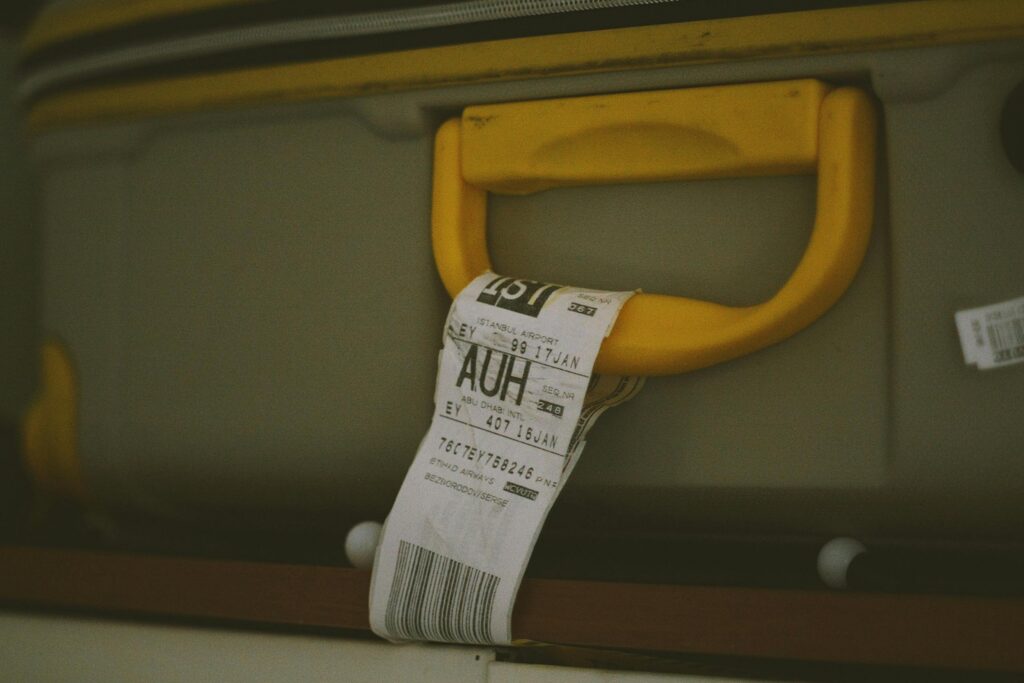
An Old Scam With Ongoing Relevance
It is easy to dismiss this one as minor, but the information printed on airline baggage tags — your name, flight details, and sometimes booking codes — is precisely what identity thieves and fraudsters need to file false claims or access reservation systems. Discarded tags in airport trash cans have been used by scammers to file fake lost luggage claims and collect compensation from airlines.
🛡 HOW TO PROTECT YOURSELF
- Tear or shred luggage tags before discarding them. Do not leave them intact in airport or cruise terminal trash bins.
- Remove old tags from bags before travel so only the current trip’s tag is visible.
Stay Informed, Stay In Control
The cruise industry is not uniquely dangerous — but its combination of high ticket values, international travel, and emotionally invested customers makes it a consistent target. The scams described here are not theoretical edge cases. They are being reported by real travelers, flagged by major cruise lines, and documented by consumer protection organizations right now, in 2026.
McAfee’s research found that nearly 30% of travelers reported falling for a travel scam in 2024. That number is almost certainly higher than reported, given the embarrassment that often accompanies financial fraud. The best defense is awareness: knowing what the scam looks like before it finds you.
How to Report a Scam
If You Suspect Fraud: Act Fast
The moment you believe you have been scammed — or even that an attempt has been made — the clock is already running.
- Your first call should be to your credit card company. Most major issuers have 24-hour fraud lines, and disputing a charge is easier when reported immediately.
- If you shared booking details with someone you now suspect was an impersonator, contact your cruise line’s official customer service line directly and ask them to flag or lock your reservation against unauthorized changes.
- If the fraud occurred in a foreign port, report it to local authorities on the spot — once you are back at sea, the window for any meaningful local investigation closes.
- File a complaint with the Federal Trade Commission at ReportFraud.ftc.gov and with the FBI’s Internet Crime Complaint Center. Neither agency can guarantee recovery of lost funds, but reports feed into broader enforcement patterns that have led to real prosecutions.
Finally, share what happened — on cruise forums, in Facebook groups, with your travel agent. The scams described in this article spread because they work quietly. The most effective thing a victimized traveler can do, beyond protecting themselves, is make sure the next person sees it coming.