
Breaking Developments: What Happened in the Last 72 Hours
Updated on May 6 at 2:00 PM with new info released by Oceanwide Expeditions and WHO.
This story has escalated fast—and the details coming out in just the past few days are raising serious global concern.
Three passengers of the cruise ship MV Hondius have died from a suspected outbreak of Hantavirus. The cruise ship, which is currently on route to the Canary Islands, was denied docking at by Cape Verde. Health officials, including the World Health Organization, have confirmed three verified cases and five suspected infections, with several passengers and crew members seriously ill and one in intensive care in South Africa.
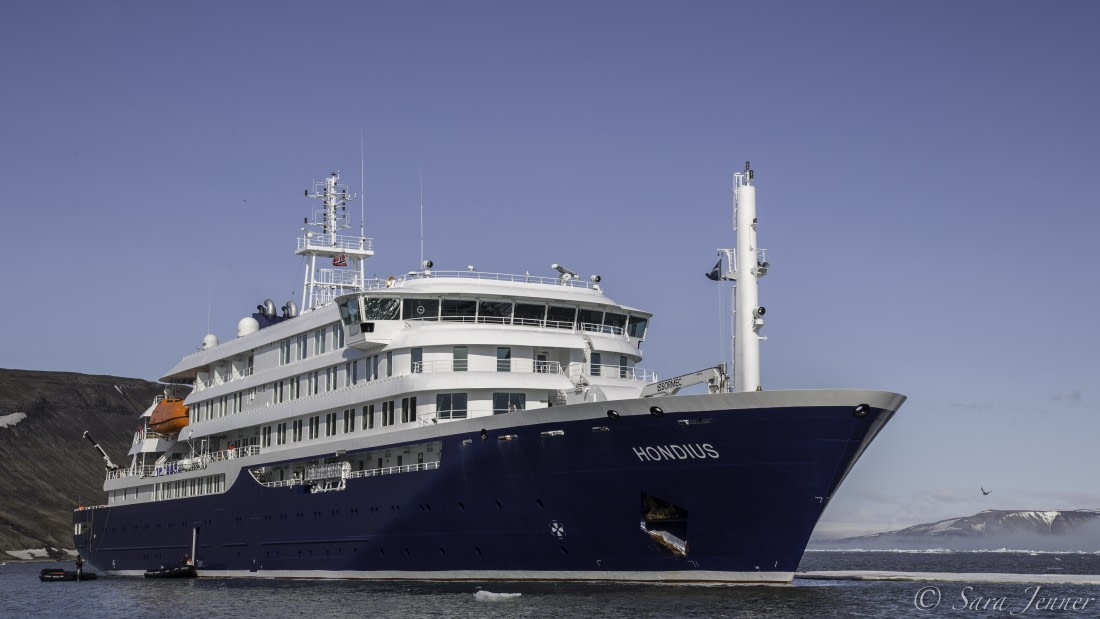
“Of the six affected individuals, three have died and one is currently in intensive care in South Africa,” WHO said in a statement on Sunday. [Additional individuals have developed symptoms since that statement.]
Time Line of Hantavirus Cruise Outbreak
Here’s where it gets unsettling. The timeline suggests this wasn’t a sudden outbreak—it unfolded over weeks. The first known death reportedly occurred in mid-April, when a Dutch passenger fell ill and later died. His wife soon followed after collapsing during travel, and a third victim—identified as a German national—died onboard days later.
- April 1: MV Hondius disembarked from Ushuaia, Argentina to begin itinerary with stops in remote areas of Antarctica, South Georgia, Nightingale Island, Tristan da Cunha, Saint Helena, and Ascension Island.
- April 11: Dutch man died on board. Cause of death undetermined.
- April 24: Wife of deceased Dutch passenger disembarked in St. Helena along with husband’s remains.
- April 27: Wife became ill on journey home and died. Cause of death verified as Hantavirus on May 4.
- April 27: British passenger became seriously ill and was hospitalized in Johannesburg, South Africa. Hantavirus confirmed as cause of illness.
- May 2: German woman died on board. Cause of death undetermined.
- May 4: Testing confirmed the death on April 27th was due to Hantavirus.
- May 4: MS Hondius moored off the coast of Cabo Verde, planning a medical evacuation for 3 sick individuals on board.
- May 6: Two critically ill crew members and one asymptomatic passenger were disembarked from the MV Hondius to receive proper medical attention.
- May 6: A former MV Hondius passenger who disembarked in St. Helena tested positive for Hantavirus and is being treated at the University Hospital Zurich.
- May 6: Two infectious disease physicians from Netherlands boarded the MS Hondius to provide optimal medical care for the remaining passengers.
- Current State of Affairs:
- 3 deaths
- 3 confirmed Hantavirus cases
- MS Hondius en route to Canary Islands with 2 infectious disease physicians onboard to treat remaining passengers
Full report from WHO available here.
While progress has been made, the ship’s destiny is still uncertain. Authorities in Cape Verde refused to allow docking, citing public health concerns, although emergency evacuations were coordinated for sick passengers. Passengers onboard—nearly 150 people from over 20 countries—are now isolating, following strict hygiene protocols, and waiting for answers.
And yeah, you can imagine the tension. Being stuck at sea during a suspected viral outbreak? That’s the stuff of headlines—and nightmares.

What Exactly Is Hantavirus?
Hantavirus is a rare but potentially deadly virus primarily spread through contact with infected rodent droppings, urine, or saliva.
In North and South America, it can cause hantavirus pulmonary syndrome (HPS), a severe respiratory illness that starts with flu-like symptoms but can quickly escalate into life-threatening lung complications. We’re talking fever, muscle aches, fatigue—then suddenly, difficulty breathing as the lungs fill with fluid. It can turn critical in a matter of days.

How Did It End Up on a Cruise Ship?
That’s still under investigation, but experts have a working theory.
Unlike viruses that spread easily between people, hantavirus typically requires environmental exposure—usually inhaling contaminated particles from rodent waste. And HCPS symptoms can show 1 to 8 weeks after contact with an infected rodent.
So the focus right now? Finding the source.
Investigators are looking into whether rodents may have contaminated storage areas, ventilation systems, or even supplies onboard. There’s also speculation that exposure could have occurred during earlier land excursions before passengers even realized they were infected.
Is This the Start of Something Bigger?
Short answer: probably not—but it’s not nothing either.
Hantavirus does not spread easily from person to person, and global health officials have emphasized that the risk to the general public remains low. That said, the fatality rate is no joke—hovering around 35% to 40% in severe cases. And because early symptoms mimic common illnesses, diagnosis can be delayed, which makes outcomes worse.
So while this isn’t shaping up to be the next pandemic, it is a serious situation that demands attention.
What Travelers Should Actually Take Away
Hantavirus is serious and absolutely requires medical treatment—no DIY fixes here. If symptoms like fever and shortness of breath appear, you need a doctor. Period.
But for the vast majority of travelers, the real battle is still the basics—seasickness, dehydration, headaches, minor infections. The stuff that can ruin a trip if you’re not ready.
That’s why having a well-stocked travel kit matters more than people think. Simple things like anti-nausea meds, electrolyte powders, and pain relievers can make a huge difference when you’re stuck on a ship or far from a pharmacy. Because while rare viruses dominate the headlines, it’s the everyday issues that hit most travelers—and those, thankfully, you can handle if you come prepared.
See How to Pack a Cruise First Aid Kit
The Bottom Line
This cruise ship outbreak is still evolving, and investigators are racing to confirm exactly what happened. We’ll update this article as more news comes in. But for now, the takeaway is awareness—not panic. Hantavirus is rare, dangerous, and not easily spread.