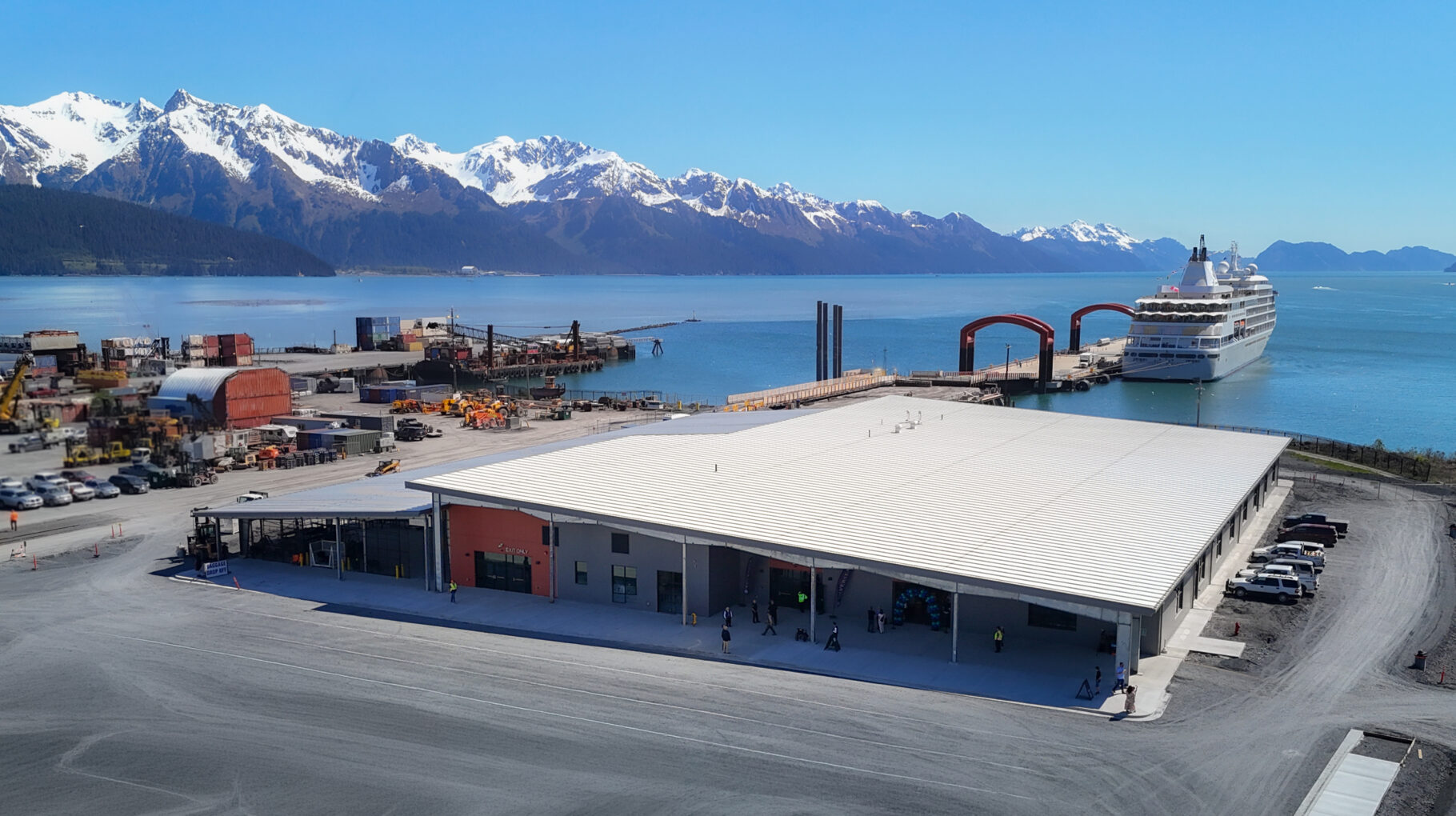
Seward’s New Cruise Gateway Finally Opens
After years of planning, construction delays, and mounting anticipation from travelers and local businesses alike, Royal Caribbean Group and the Alaska Railroad have officially opened the new Dale R. and Carol Ann Lindsey Alaska Railroad Terminal in Seward, Alaska.
The ribbon-cutting ceremony took place on June 10, 2026, marking a significant milestone not only for Alaska cruising but also for the state’s broader tourism economy. The new facility replaces aging port infrastructure that had served passengers since the mid-1960s and positions Seward as one of the most modern cruise gateways in North America.
For cruise passengers, this means a smoother arrival and departure experience. For Alaska, it represents a major investment in long-term tourism growth.
Alaska’s Largest Cruise Terminal Is Built for the Future
The numbers behind the new terminal are impressive.
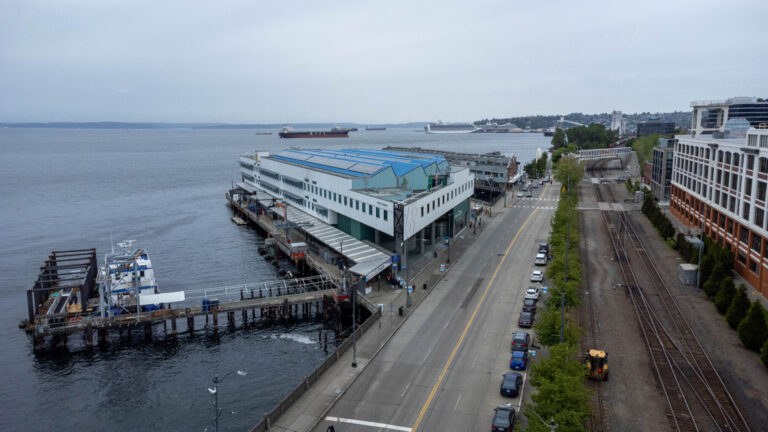
The facility includes approximately 41,500 square feet of enclosed terminal space along with an additional 27,000 square feet dedicated to luggage transfers and passenger processing. The project was designed to handle larger cruise ships while improving passenger flow and reducing congestion during peak sailing days.
Alaska Railroad Connection
One of the biggest advantages is its direct connection to the Alaska Railroad station. Travelers arriving on Alaska cruise itineraries can seamlessly continue their journey inland to Anchorage, Fairbanks, Denali, and other popular destinations. That rail connection is a huge deal. Many Alaska cruise guests choose “cruisetour” packages that combine ocean voyages with land-based adventures. By integrating rail and cruise operations in one location, Seward becomes an even more attractive embarkation and debarkation port for major cruise lines. According to Alaska Railroad officials, more than 200,000 travelers move through Seward’s transportation facilities annually, making the city one of the state’s most important tourism hubs.
Sustainability Features
Another notable aspect of the new terminal is its environmental focus.
The modernization includes shore power capabilities supported through the U.S. Environmental Protection Agency’s Clean Ports Grant program. Shore power allows cruise ships to connect directly to the local electrical grid while docked rather than running onboard engines. The result is lower emissions, reduced fuel consumption, and significantly less noise in the surrounding community. Officials also say excess energy generated during winter months can be stored in battery systems that may help support Seward’s power needs during severe weather events. As cruise lines face increasing pressure to reduce environmental impacts, infrastructure investments like these are becoming increasingly important.
Dual Use During Off-Season
Perhaps the most interesting feature of the new facility has nothing to do with cruises. Because Alaska’s cruise season is relatively short, the building was designed for year-round community use. During the winter months, the terminal can host sporting events, festivals, concerts, trade shows, and community gatherings. That means the project isn’t just an investment in tourism. It’s an investment in Seward itself. Local leaders have repeatedly emphasized that the facility will provide benefits long after the last cruise ship departs each fall.
The Road to Opening Wasn’t Exactly Smooth Sailing
The terminal’s debut nearly hit another snag this spring.
In May, officials announced a temporary delay after inspectors identified clusters of marine piles that needed removal before large cruise ships could safely dock. The issue forced several vessels, including Royal Caribbean’s Ovation of the Seas, Celebrity Cruises’ Celebrity Summit, Viking Venus, and Silversea’s Silver Moon, to temporarily relocate operations to nearby Whittier. The delay created frustration among some passengers who had already booked train tickets, hotels, and transfers centered around Seward. Fortunately, the setback proved short-lived. Construction teams completed the required work, allowing the terminal to begin welcoming passengers and cruise ships as intended for the remainder of the Alaska cruise season.
Why This Matters for Alaska Tourism
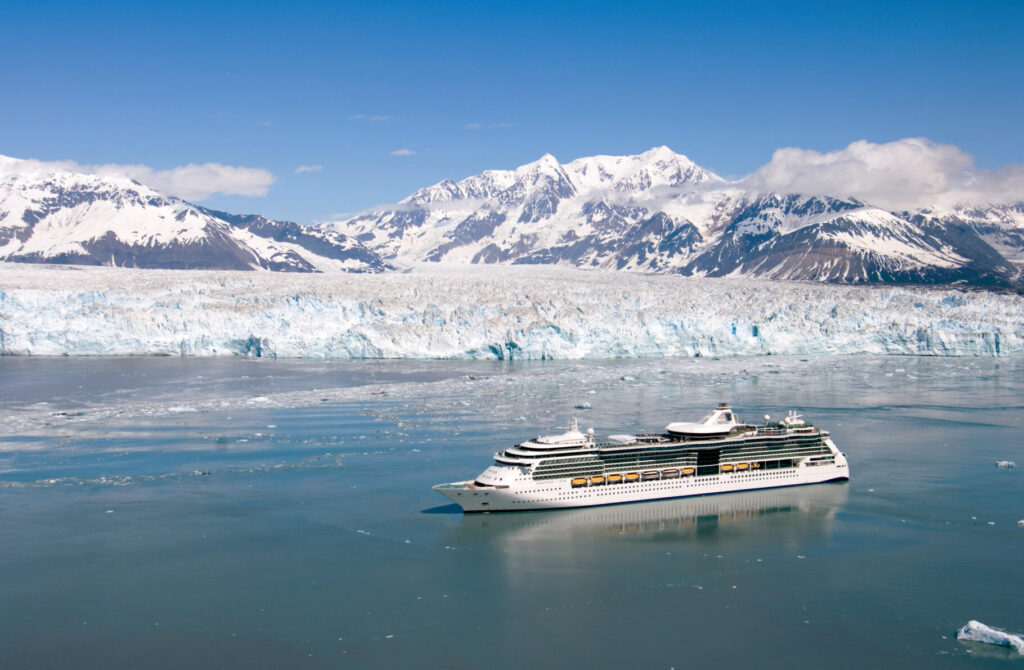
The opening comes at a time when Alaska cruises remain one of the hottest segments in the global cruise industry.
Demand for Alaska itineraries has surged in recent years as travelers seek glacier viewing, wildlife encounters, national parks, and bucket-list adventure experiences. Major cruise operators continue expanding Alaska deployments, and Seward is expected to play a critical role in accommodating future passenger growth. The terminal is part of the larger “Port of Tomorrow” initiative first announced in 2022. Industry estimates place the redevelopment investment at roughly $137 million. The project includes upgraded marine facilities, a double-berth floating pier system, and infrastructure capable of supporting next-generation cruise vessels.
Royal Caribbean alone is expected to bring approximately 140,000 passengers annually through Seward, providing a significant economic boost for local hotels, tour operators, transportation companies, restaurants, and retailers. For a community of fewer than 3,000 residents, that’s a massive tourism engine.
Planning an Alaska Cruise? Check out our top tips!