Passenger Sues Royal Caribbean After Bathroom Panel Allegedly Falls
A cruise vacation is supposed to come with ocean views, late-night shows and maybe one too many desserts at the buffet. It is not supposed to involve a bathroom wall panel suddenly coming loose and crashing onto your head.
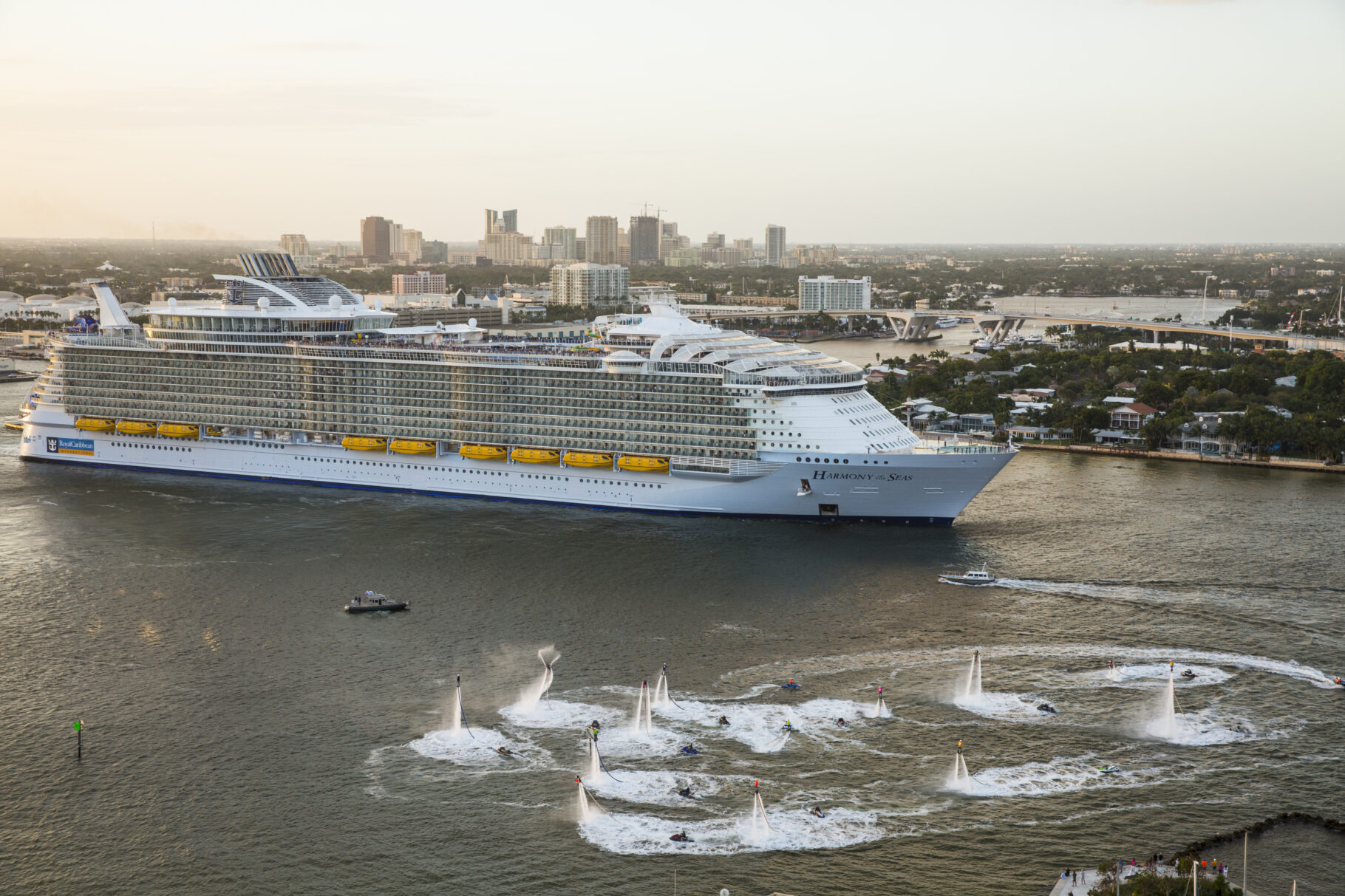
But that is the allegation at the center of a newly filed lawsuit against Royal Caribbean Cruises. LeAnn Carpenter, a Texas resident, filed a federal lawsuit in South Florida on August 11, 2026, alleging that she suffered serious injuries after a wall or access panel behind the toilet unexpectedly dislodged aboard Harmony of the Seas and struck her.
A Routine Cruise Moment Allegedly Turned Into a Medical Emergency
The case, Carpenter v. Royal Caribbean Cruises, is docketed as No. 1:26-cv-25418 and assigned to U.S. District Judge Beth Bloom. The complaint invokes federal admiralty jurisdiction under 28 U.S.C. § 1333 and is classified as a marine personal-injury case.
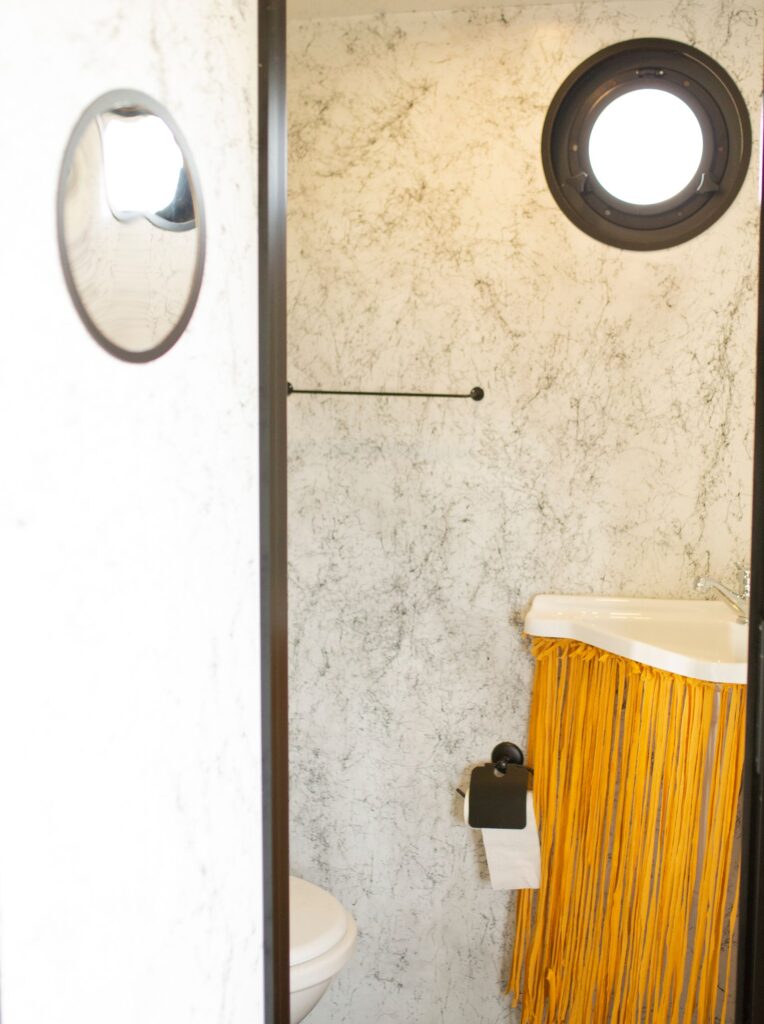
The lawsuit concerns an incident that Carpenter says occurred on May 15, 2025, aboard Royal Caribbean’s Harmony of the Seas. According to the complaint, Carpenter was using a bathroom on the ship before she planned to attend a theater show when a “wall and/or access panel located behind the toilet suddenly dislodged.” The panel allegedly fell toward her, struck her in the head and caused her to fall to the floor.
The complaint brings three negligence counts against Royal Caribbean and seeks more than $75,000 in damages. Those are allegations at this stage, not findings by a court, and the case will have to work its way through the legal process before any liability is established.
Alleged Lost Awareness and Memory of the Incident
Carpenter alleges that she experienced a loss of awareness and memory surrounding the incident. According to the lawsuit, she was transported by wheelchair to the ship’s medical center, where she was evaluated and treated. The ship’s physician then directed her to seek additional medical attention in Cozumel, Mexico. Carpenter went to Cozumel International Hospital, where she underwent CT imaging of her head. She was diagnosed and treated for a traumatic brain injury, along with associated cognitive and psychological consequences. Carpenter also alleges that she suffered cervical and/or spinal injuries in the fall.
And, according to the complaint, the effects did not end when she left the hospital. Carpenter states that she has continuing memory impairment, difficulty concentrating and word-finding problems, as well as anxiety, depressive symptoms and post-traumatic stress symptoms. The complaint also says she developed a fear of driving, diminished confidence and a loss of independence and enjoyment of life.
In other words, the lawsuit describes an accident that transformed an ordinary pre-show bathroom stop into a medical emergency with lasting consequences.
Cruise Ship Bathrooms Need Serious Engineering
The complaint’s central question is straightforward: How did a panel behind a cruise-ship toilet allegedly come loose in the first place?
Cruise ship cabins are exercises in compact design. Every inch matters, which means bathroom walls, access panels, plumbing systems, electrical components and ventilation equipment have to fit into a remarkably small footprint. Those access panels are there for a reason. Maintenance crews need ways to reach plumbing and mechanical systems without ripping apart a wall every time something needs to be inspected or repaired.
That creates a balancing act between accessibility, structural integrity and passenger safety.
A panel behind a toilet might not look like a major component to a passenger, but if it is heavy enough, poorly secured or becomes detached unexpectedly, it can obviously become a hazard. The precise cause of the panel’s alleged failure in Carpenter’s case has not been established publicly by a court, so it would be premature to speculate about whether the issue involved installation, maintenance, hardware failure or another factor.
What Counts as a “Known Hazard”?
In a typical premises-liability discussion, one of the key questions is often whether a property owner (aka Royal Caribbean) knew about a dangerous condition. This particular case further invokes admiralty jurisdiction under 28 U.S.C. § 1333, which puts the dispute within the framework of maritime law, an important feature of cruise-ship injury litigation. One issue that can become particularly important in these cases is notice: whether a cruise operator knew, or should reasonably have known, about an allegedly dangerous condition and had enough opportunity to correct it.
Cruise Safety Has Improved, But Accidents Still Happen
The modern cruise industry is built around layers of safety procedures, inspections, maintenance programs and emergency response systems. But no engineering system or maintenance program can reduce the risk of accidents to zero. That is particularly true on a cruise ship, where thousands of passengers are moving through a constantly operating environment. Elevators, staircases, balconies, pools, restaurants, cabins and bathrooms all have different hazards, and the vessel itself is simultaneously dealing with vibration, motion, saltwater exposure and the relentless wear that comes with being a floating hotel.
Carpenter Is Seeking a Jury Trial and More Than $75,000
Carpenter is seeking monetary damages in excess of $75,000 and has demanded a jury trial. Royal Caribbean will have an opportunity to respond to the allegations, and the case will proceed through the federal court system before any liability is determined. What happened to that panel—and whether Royal Caribbean should have known there was a danger before it allegedly fell—could now become the central questions in a federal maritime personal-injury case.
A motion-activated light can help you navigate the way to your stateroom bathroom on the darkest night.
Cruise cabins can get pitch dark at night, making it easy to stumble when heading to the bathroom or moving around. A small, battery-operated motion sensor light provides just enough glow to guide your way without disturbing your cabin mate’s sleep. Compact and easy to pack, it attaches magnetically or with adhesive, turning on only when you need it.