
Inside Ashley Everett’s Cruise Controversy
When Ashley Everett — best known for her years alongside Beyoncé — hit the stage on a luxury cruise, it should’ve been a vibe.
Instead, it turned into a full-blown viral controversy that had social media buzzing, debating everything from race to celebrity treatment aboard premium cruise lines.
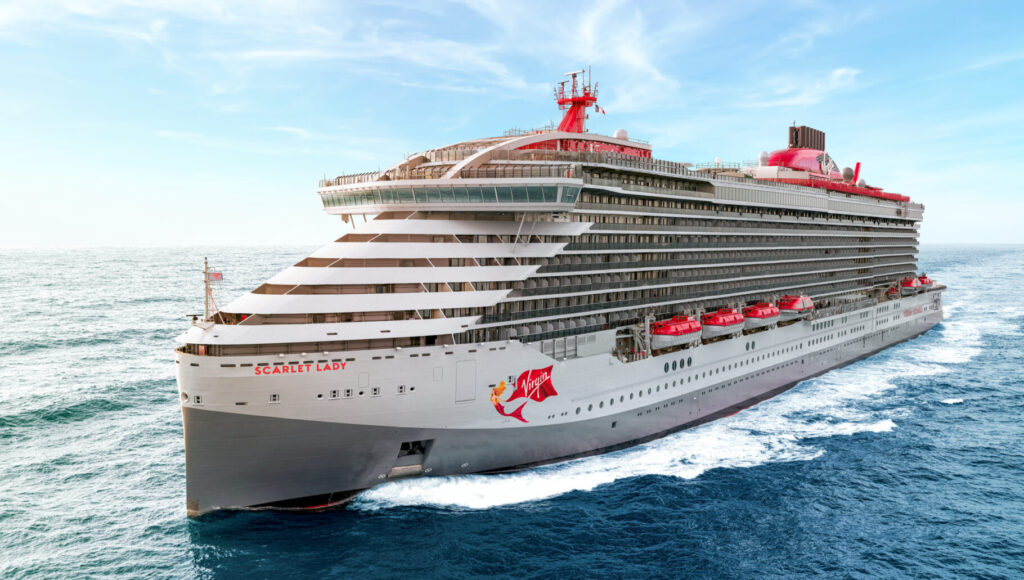
The drama kicked off in April 2026, when Everett took to Threads claiming she had been “kicked off” a stage while dancing to the iconic hit Single Ladies (Put a Ring on It) during a Virgin Voyages content creator cruise. The incident happened aboard the Scarlet Lady on a three-night TikTok creator-themed voyage from Miami to Bimini.
The Allegation: “They Kicked Me Off”
Everett didn’t hold back initially.
She alleged that she was removed from the stage after a complaint, even suggesting there may have been racial bias involved, pointing out that others were later allowed on stage while she was not.
Given her credentials — 17 years working with Beyoncé and actually appearing in the “Single Ladies” video — fans were quick to rally behind her.
Let’s be real: if anyone has earned the right to dance to that choreography, it’s her.
The story quickly gained traction across entertainment news outlets and social platforms, fueling conversations around inclusivity in travel spaces, treatment of Black creators, and how luxury brands engage with influencers.
The Cruise Line Responds
But here’s where things took a turn.
Virgin Voyages issued a statement clarifying that the situation wasn’t about targeting an individual at all. According to the company, multiple guests had joined a restricted stage area during a late-night set, creating what they described as a “safety concern.” Crew members reportedly asked everyone on stage to step down — not just Everett.
From a logistics standpoint, that tracks. Cruise venues, especially club-style spaces like onboard venues such as “The Manor,” often have strict capacity and safety rules. Too many people crowding a DJ booth is a liability nightmare waiting to happen.

The Apology That Shifted the Narrative
Just days later, Everett walked back her claims.
In a follow-up post, she clarified that her frustration had been misdirected and that the issue stemmed from interactions with other guests—not the cruise staff. She even issued a public apology to the cruise line, acknowledging that they had been “supportive and intentional” in addressing her concerns.
That’s a big pivot—and it changed the tone of the entire conversation overnight.
Social Media Fallout
Still, the internet doesn’t forget that quickly.
Even after the apology, debates continued around influencer expectations, celebrity privilege, and how quickly narratives can spiral when only one side of the story is public. Some users pointed out how fast outrage spreads—especially when tied to bigger issues like race and representation. Others questioned whether influencers on sponsored trips sometimes expect special treatment that clashes with standard safety protocols.
Clearly, this isn’t just about one dancer or one cruise moment. The incident highlights how quickly a personal experience can turn into a public controversy in the age of social media storytelling. One post can shape brand perception overnight—fairly or not.