Why the Fight Over Perfect Day Mexico Isn’t Over Yet
Most major cruise developments generate excitement. New attractions, new jobs, and new reasons for travelers to book their next vacation are usually welcomed by the industry.
But Royal Caribbean’s proposed Perfect Day Mexico has become something entirely different.
In a remarkable twist, a Change.org petition opposing the project has now surpassed 5 million signatures, even though Mexican authorities already rejected the development weeks ago. The growing movement highlights just how passionate environmental advocates, local residents, and cruise industry observers have become about the future of Mahahual, a small coastal town near Costa Maya on Mexico’s Caribbean coast.
The sheer scale of the petition is difficult to ignore. What started as a grassroots campaign has evolved into one of the largest tourism-related environmental petitions in recent memory, placing international attention squarely on a destination that many cruise passengers had never even heard of before this controversy erupted.
Why Perfect Day Mexico Sparked So Much Opposition
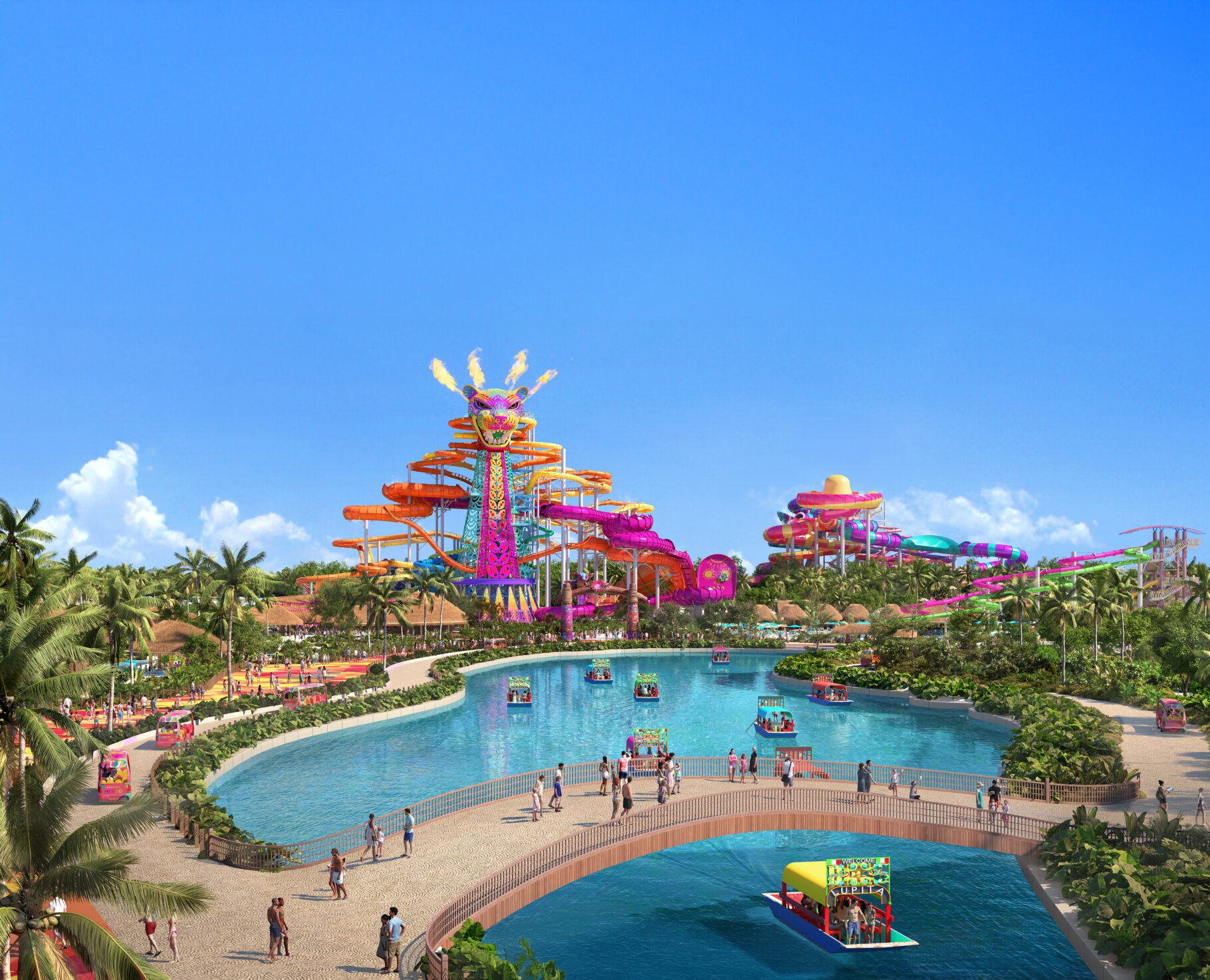
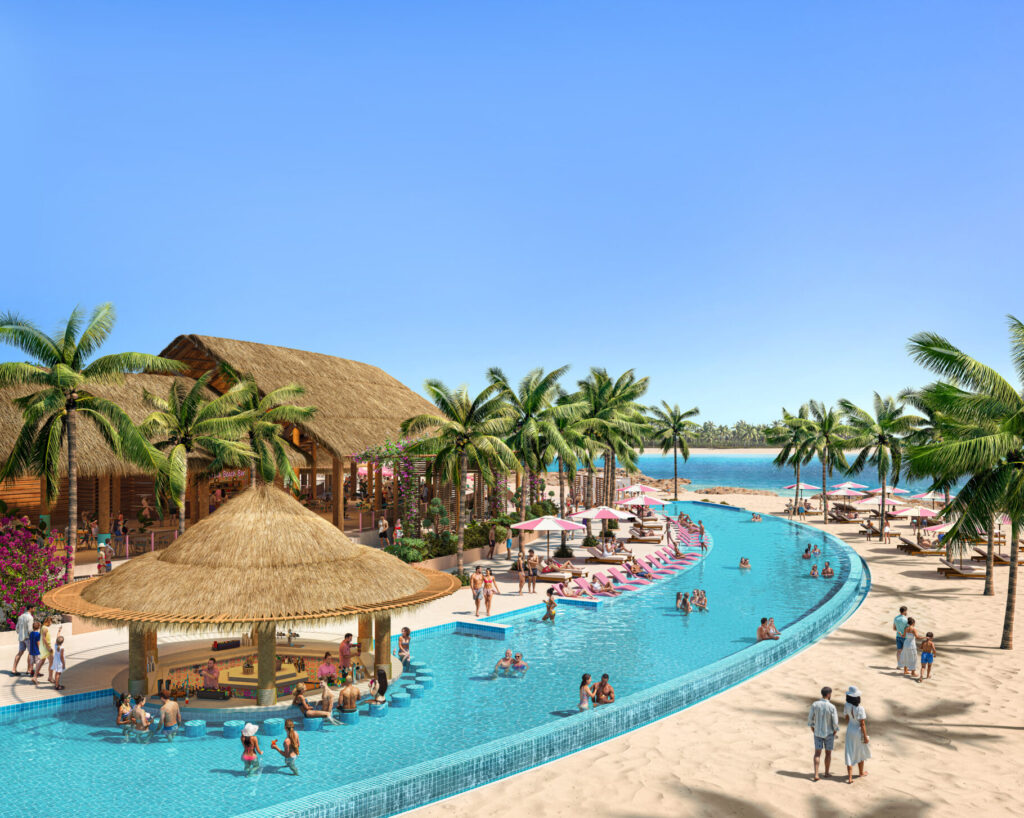
Royal Caribbean first unveiled plans for Perfect Day Mexico as a massive private cruise destination designed to rival the success of Perfect Day at CocoCay in the Bahamas.
The proposal included more than 200 acres of development near Mahahual, featuring water attractions, beach clubs, pools, restaurants, entertainment venues, and infrastructure capable of handling as many as 20,000 to 21,000 visitors per day. The destination was expected to welcome more than one million cruise guests annually once fully operational. Supporters viewed the project as a major economic opportunity for the Costa Maya region.
Critics, however, saw something else entirely.
Environmental groups warned that the development could threaten the nearby Mesoamerican Reef System, the largest coral reef system in the Western Hemisphere. Concerns were also raised about mangrove forests, sea turtle nesting habitats, marine biodiversity, and increased pressure from cruise tourism in an already environmentally sensitive region.
Mexico Says No
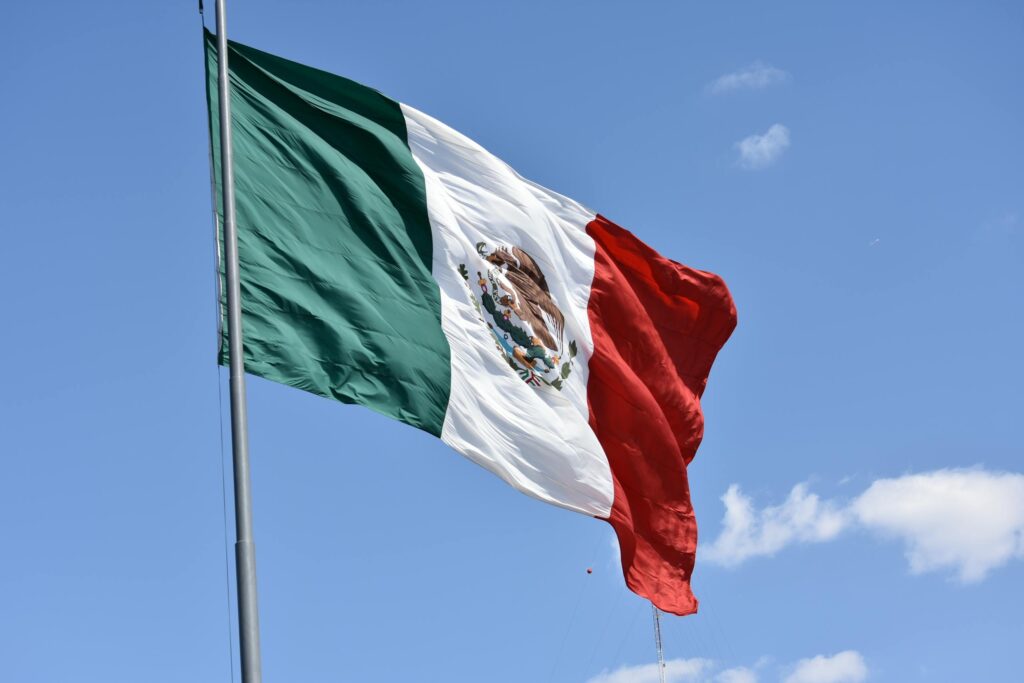
The controversy reached a turning point in May 2026 when Mexico’s environmental agency, SEMARNAT, formally rejected the project.
Officials cited significant ecological concerns that could not be adequately resolved through the existing proposal. Mexico’s Environment Minister, Alicia Bárcena, confirmed the development would not move forward in its current form, while President Claudia Sheinbaum publicly emphasized the importance of protecting the area’s ecological balance and reef ecosystems.
Why the Petition Is Still Growing
Normally, a rejected project would mark the end of a campaign. Not this time.
The petition opposing Perfect Day in Mexico continues gaining signatures because many supporters believe Royal Caribbean could pursue alternative options. Discussions have reportedly taken place regarding relocating the project elsewhere in Mexico or redesigning the concept to meet environmental requirements. Mexican officials have acknowledged conversations about possible alternatives. That possibility has motivated activists to keep pressure on decision-makers.
Many petition supporters argue they want permanent protections for Mahahual and surrounding ecosystems rather than a temporary pause. Others fear that future proposals could return with only minor modifications while still creating similar environmental risks.
What This Means for Cruise Travelers
For cruise passengers, the immediate impact is relatively small.
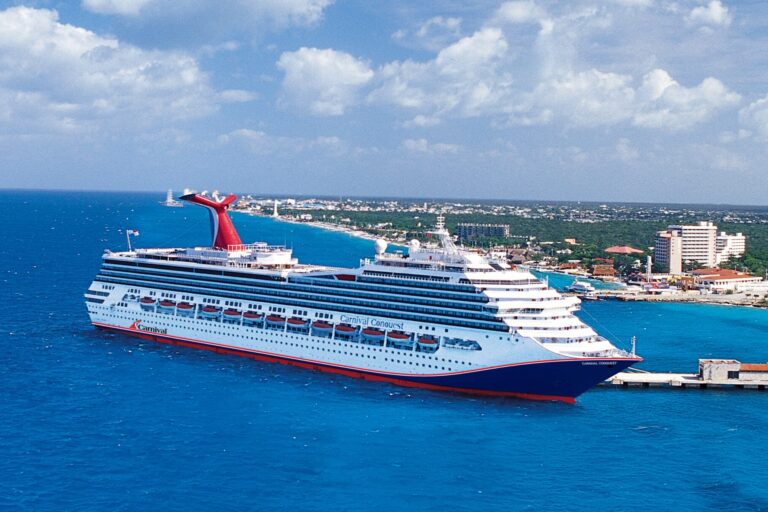
Costa Maya remains open, cruise ships continue calling at the port, and shore excursions are operating normally. Travelers visiting the region will still find beaches, snorkeling opportunities, diving excursions, cultural attractions, and local businesses welcoming visitors.
The long-term implications, however, could be significant.
Cruise lines are increasingly investing in private destinations as a way to control the guest experience and generate additional revenue. At the same time, environmental scrutiny surrounding large-scale tourism developments is intensifying worldwide. The Perfect Day Mexico debate may ultimately become a case study for how future cruise projects balance economic development with environmental protection.
Do your part to save the environment. Always pack reef-safe sunscreen for your cruise!
Trusted by dermatologists, Blue Lizard sunscreen offers broad-spectrum SPF 50+ protection with mineral-based ingredients. It’s water-resistant, fragrance-free, and perfect for sensitive skin. I never travel without it—reliable, reef-friendly sun protection wherever your adventures take you.