Our Favorite Shore Excursions at the Port Everyone Thinks They’ve Outgrown
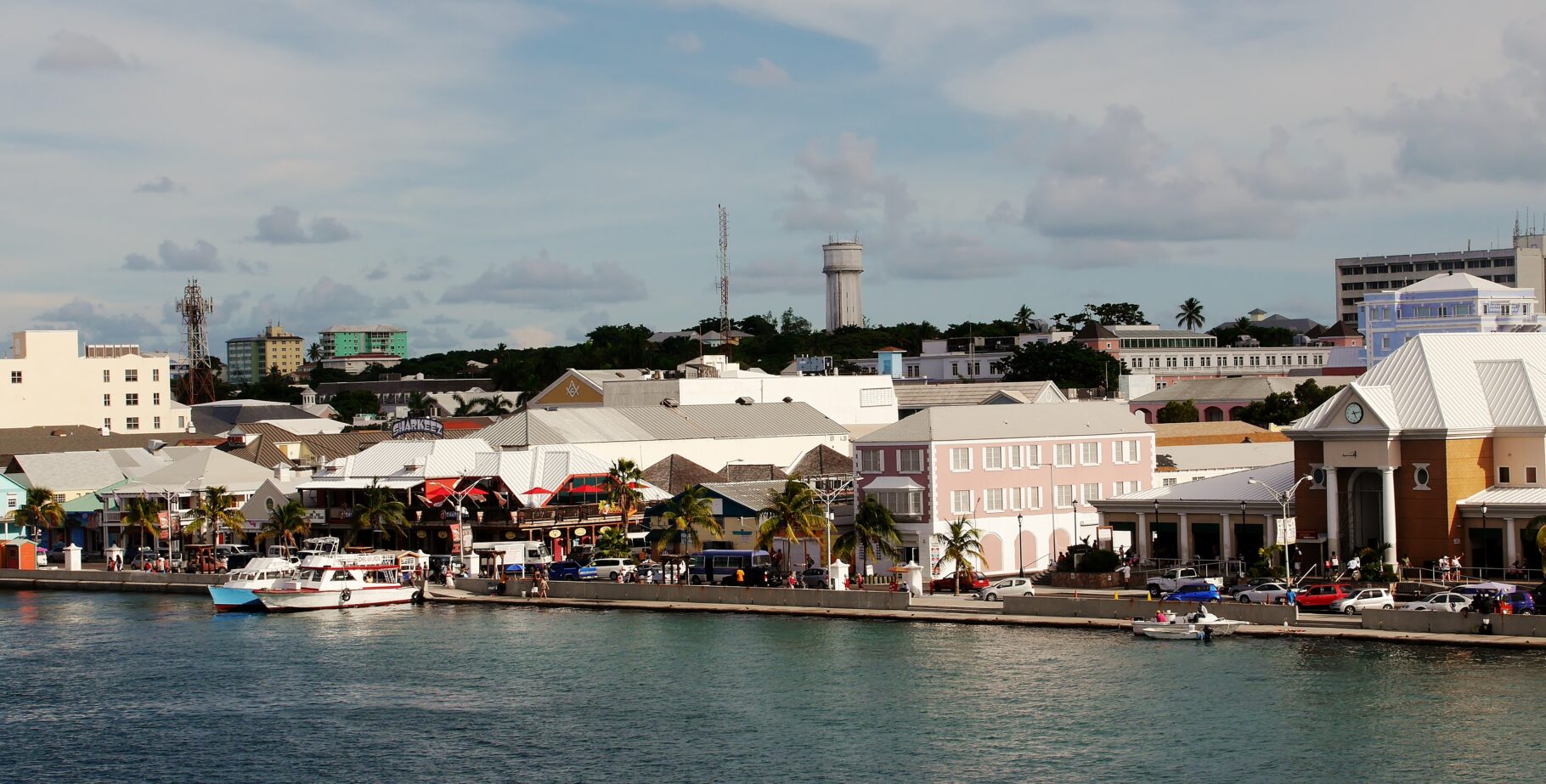
Let’s be honest—Nassau has a bit of a reputation problem. It’s the most visited cruise port in the Caribbean, welcoming over 4 million cruise passengers annually, and yeah, some travelers think they’ve “seen it already.”
But here’s the twist: most of them haven’t actually seen Nassau at all.
Recent tourism reports from late 2025 show that while cruise arrivals surged back to pre-2020 levels, over 70% of passengers stayed within a half-mile of the port. That means crowded straw markets, predictable souvenir shops, and a totally skewed perception of what this island offers.
First things first—the water. If you’ve seen photos of the Bahamas and thought, “That’s edited,” nope. The turquoise surrounding The Bahamas is some of the clearest on Earth, thanks to shallow banks and pure white sand reflecting sunlight. Nassau drops you right into it, no resort wristband required. And here’s the best part: marine visibility in this region often exceeds 100 feet. That’s not just pretty—it’s world-class snorkeling conditions. Free, accessible, and literally steps away from where your ship docks.
Shop our Caribbean Cruise Essentials Amazon List!
Personal snorkel gear ensures the Adventurer is always ready to dive into crystal-clear waters at a moment’s notice. With their own mask and snorkel, they’ll enjoy a perfect fit and a better underwater experience—no rentals required.


Here are four places you might not have visited yet in Nassau… but you should.
Cabbage Beach
While crowds debate overpriced t-shirts, the smart cruisers are hopping a quick water taxi to Cabbage Beach.
Cabbage Beach sits on Paradise Island, the same stretch of coastline as the massive resorts, including Atlantis Paradise Island. In other words, you’re standing on the exact same beach as guests paying premium nightly rates. Same sand, same water, no wristband required.
Getting there is easier than most people expect. From the cruise port, it’s a short walk over to Woodes Rogers Wharf, where water taxis run continuously to Paradise Island. The ride takes about ten to fifteen minutes and costs $7 per person each way. It’s not luxurious, but it’s quick, scenic, and part of the experience.
When you arrive on Paradise Island, you’re not dropped directly onto the beach, which is where some visitors get turned around. Instead, you’ll walk about ten to fifteen minutes toward the resort area and follow signs or GPS to the public beach access points. You can’t cut through most of the resorts themselves, but there are clearly marked pathways between properties that lead straight to the sand. Once you step onto the beach, everything opens up and you’re exactly where you wanted to be.
If you’d rather skip the ferry, taxis are waiting right outside the port. The set rate is typically about $5 per person when shared with other passengers heading to Paradise Island, or $18 – $25 total for a private ride depending on group size. That makes taxis slightly faster and often a better deal for groups, while the water taxi tends to be cheaper and more memorable for solo travelers and couples.
Many cruisers recommend taking the water taxi over to Paradise Island, then using a regular taxi for the return. The ferry is part of the experience, but it doesn’t always run on a strict schedule, which can become stressful if you’re watching the clock before your ship’s departure. On the way back, there’s also a convenient taxi queue at the street end of the public access path to Cabbage Beach, so you can skip the ten-minute walk back to ferry dock.
Either way, the end result is the same. Within minutes, you’ve left the busiest part of Nassau behind and landed on powdery white sand that regularly ranks among the best beaches in the Caribbean. No exaggeration—travel rankings in early 2026 still place it in the top tier for sand quality and water clarity.
Goodman’s Bay
If Cabbage Beach feels like the insider shortcut, then Goodman’s Bay is the exhale.
It connects directly to the more famous Cable Beach, sharing the same stretch of soft sand and calm, clear water—but the atmosphere is completely different.
Goodman’s Bay operates as a public park, and you feel that immediately. There’s space to spread out, fewer vendors walking the shoreline, and a much more local rhythm to the place. Instead of jet ski pitches and constant sales offers, you’ll see residents jogging along the paths, families setting up picnics under shaded areas, and small groups just enjoying a normal beach day.
It’s quieter without feeling empty, and relaxed without feeling remote.
Getting there is straightforward. From the cruise terminal in Nassau, a taxi ride takes about fifteen to twenty minutes depending on traffic. Unlike the trip to Paradise Island, there’s no ferry involved—just a direct drive along the coast. Taxi fares typically run in the range of about fifteen to twenty dollars total, making it an easy and relatively inexpensive escape from the port area.
Once you arrive, you’re steps from the sand. There’s no navigating resort entrances or searching for public access paths like you would near Cable Beach hotels. You simply walk in and pick your spot.
And that’s really the appeal.
While other beaches lean into the tourist experience, Goodman’s Bay feels like you’ve briefly stepped into everyday life in Nassau—just with better water and a lot more space to enjoy it.
Arawak Cay
Arawak Cay is where locals actually go. That alone should tell you everything.
This is Nassau’s famous “Fish Fry,” a stretch of colorful, no-frills shacks and local restaurants serving up some of the best food on the island. We’re talking crispy conch fritters, fried snapper pulled fresh from Bahamian waters, cracked conch, and plates piled high with sides like peas and rice and fried plantains. Everything is hot, fast, and full of flavor.
And then there’s the drinks. Ice-cold bottles of Kalik show up within minutes, usually handed to you with a nod and a smile, condensation already dripping in the heat.
The atmosphere is part of the experience. Music spills out into the street, conversations bounce between tables, and the energy feels real in a way that curated tourist spots rarely do. It’s loud, it’s a little chaotic, and that’s exactly the point. Nobody’s trying to polish it for visitors—it just is what it is.
Getting there is easy. From the cruise port, it’s only about a five-minute taxi ride or even a manageable walk if you’re comfortable stretching your legs for fifteen to twenty minutes along the waterfront. Either way, it’s one of the closest “escape the port” options you’ll find.
What makes Arawak Cay stand out right now is how perfectly it lines up with how people actually want to travel. Tourism trends going into 2025 and beyond show a clear shift toward “local-first” experiences—less interest in chain restaurants and more focus on authentic food, local culture, and places that feel connected to where you are.
That’s exactly what this is. If you eat one meal off the ship, this is the way to make it count.
The Queen’s Staircase
Tucked just a short distance from the cruise port, the Queen’s Staircase is one of those places that quietly shifts the pace of your day.
Sixty-six limestone steps, carved by enslaved people in the late 1700s, cut directly through solid rock. It’s not just something you look at—it’s something you feel as you climb. The walls rise up around you, the space narrows, and for a few minutes, the noise of Nassau fades into the background.
What surprises most visitors isn’t just the history—it’s the temperature. The staircase is naturally shaded and enclosed, and it often feels about ten degrees cooler than the streets above. In Nassau heat, that’s not a small detail. It’s a reset. A built-in break from the sun that feels almost engineered, even though it wasn’t.
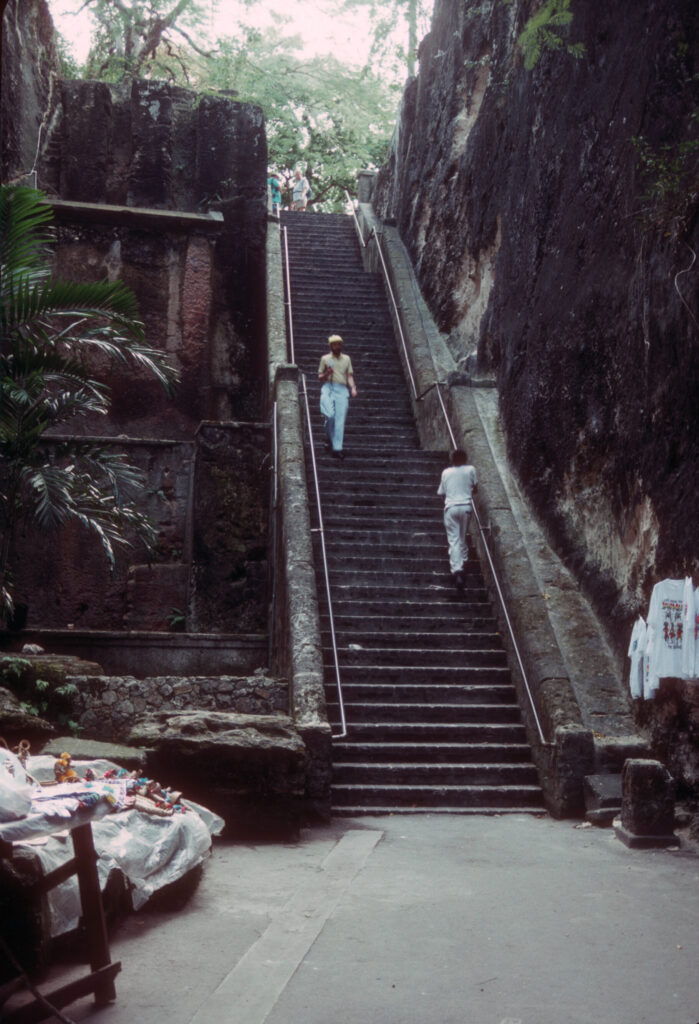
At the top, the path opens out near Fort Fincastle, a small but strategically placed fort overlooking the island. From there, you get sweeping views of the harbor, with cruise ships docked below and the bright blue water stretching out beyond them. It’s one of the best quick vantage points in the city, especially if you want that “I was here” photo without straying far from port.
Getting there is straightforward. You can walk from the cruise terminal in about fifteen minutes, heading uphill through downtown Nassau, or take a short taxi ride if you’d rather skip the climb. Either way, it’s one of the easiest cultural stops to add to your day.
And that’s really what makes it worth it. It’s not a long excursion, and it’s not designed to entertain you for hours. But in the middle of a beach-heavy day, it gives you a moment of shade, a piece of history, and a view that ties the whole island together.
The Real Problem With Nassau
Nassau isn’t overrated. It’s under-explored.
Use Viator to plan your own Bahama adventure!
The issue isn’t the destination—it’s how people experience it. Stick to the port, and yeah, it feels generic. Venture just a little farther, and it becomes one of the most rewarding stops in the Caribbean.
With cruise travel booming again in 2026 and ships getting bigger by the year, the smartest move you can make is simple: get out of the crowd. You’ll find the Nassau most people miss—and honestly, that’s where the magic still lives.