The Cruise Stops Raising Red Flags in 2026
Cruising is booming again in 2026, with record bookings and jam-packed itineraries sailing into some of the Caribbean’s most iconic ports. But here’s the kicker—travel experts and the U.S. State Department are sounding the alarm on a few destinations that might look dreamy on your itinerary but carry some serious risks on the ground.
According to recent reporting and updated government guidance, port stops in Haiti, Belize, and Trinidad and Tobago are drawing concern due to crime, instability, and safety risks. So before you step off that ship, here’s what you really need to know.
What These Travel Advisory Levels Actually Mean
Let’s break it down quick, because this matters more than people think:
- Level 1: Exercise normal precautions
- Level 2: Exercise increased caution
- Level 3: Reconsider travel
- Level 4: Do not travel
These rankings are based on real-time data involving crime, terrorism, health risks, and political stability—not vibes, not opinions. They’re updated regularly by the U.S. State Department to reflect changing conditions worldwide.
Haiti
Level 4: Do Not Travel (Highest Warning)
A Level 4 advisory from the U.S. State Department means one thing—do not travel under any circumstances due to life-threatening risks like violent crime, civil unrest, or terrorism.
And Haiti? It checks multiple boxes.
The country is currently facing extreme gang violence and political instability, with armed groups controlling large areas and kidnappings becoming alarmingly common. In fact, U.S. officials warn that even basic services like healthcare and law enforcement are severely strained.
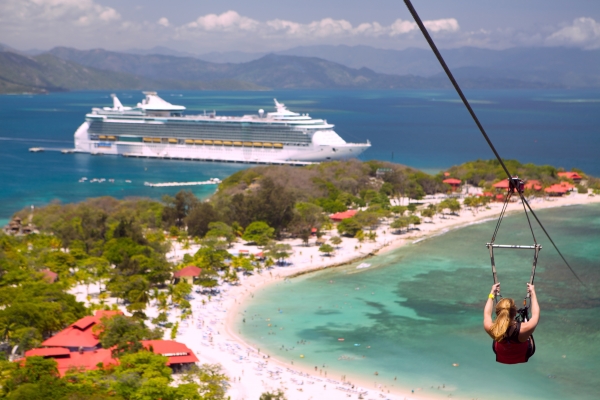
Here’s where it gets real—major cruise lines have already started backing off. Royal Caribbean, for example, has suspended visits to its private destination in Labadee through at least 2026 due to safety concerns tied to kidnappings and unrest.
Even though cruise ports can be isolated, experts say the broader security situation still matters. If something goes wrong, response options are limited, and that’s not a gamble most travelers want to take.
Belize City
Level 3: Reconsider Travel
Level 3 advisories are serious. They mean travelers should reconsider visiting due to significant risks, often tied to crime or civil unrest.
Belize City lands squarely in that category.
Despite welcoming nearly one million cruise passengers each year, the city continues to struggle with high crime rates, particularly violent crime in certain neighborhoods. Travel experts have even bluntly described parts of the city as “very sketchy,” which, let’s be honest, isn’t exactly comforting when you’re trying to enjoy a beach day.
That said, not every experience here is risky.
Cruise passengers who stick to organized excursions—like guided tours to Mayan ruins or snorkeling trips along the Belize Barrier Reef—generally avoid trouble. The real danger zone tends to be unsupervised exploring, especially outside tourist-friendly areas.
So yeah, Belize can still be incredible—but only if you play it smart.
Book a guided shore excursion through Viator.
Trinidad and Tobago
Level 3: Reconsider Travel
Another Level 3 advisory, another destination that’s raising eyebrows.
For Trinidad and Tobago, the warning centers around robbery, kidnapping, and gang-related violence, particularly in urban hotspots. In recent months, authorities have even taken aggressive measures to address crime spikes, highlighting how serious the situation has become.
Here’s the twist—this destination is still very much on cruise schedules.
Major cruise lines like Royal Caribbean, Norwegian, Princess, and Holland America continue to include Trinidad and Tobago on 2026 itineraries, banking on controlled port environments and guided excursions to keep travelers safe.
And to be fair, most cruise passengers don’t encounter issues.
But the risk isn’t imaginary either. Experts consistently stress that travelers who wander off on their own or ignore local guidance are far more likely to run into trouble.
Travelers Beware: Paradise Isn’t Always What It Seems
Here’s the deal—no one’s saying cancel your cruise.
What experts are saying is this: don’t treat every port like it’s automatically safe just because your ship docked there. Do a little homework. Stick with cruise-sponsored excursions. Stay in well-known tourist zones.
And honestly? A few minutes of research before you go could save you from a whole lot more than just a bad day.