Royal Caribbean Cruise Ship Arrives in Alaska With Dead Endangered Whale Attached to Bow
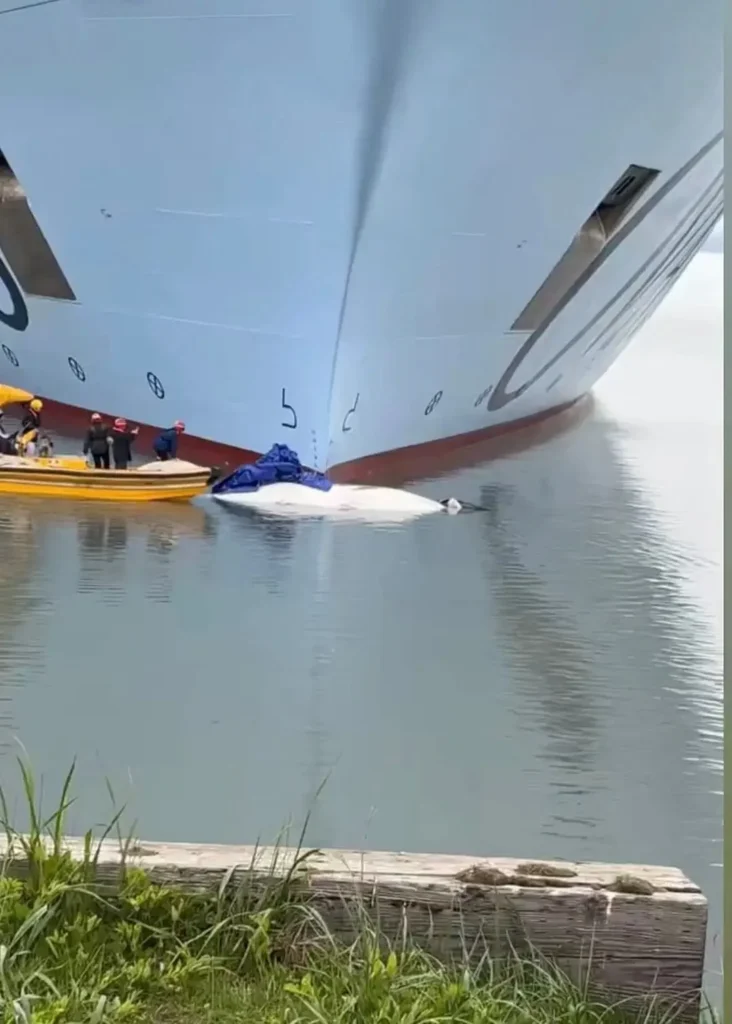
Passengers arriving in Alaska for what should have been the adventure of a lifetime were met with a heartbreaking sight when Royal Caribbean’s Ovation of the Seas entered Seward on June 19 carrying the body of a dead fin whale on its bulbous bow. The disturbing discovery immediately triggered a federal investigation and reignited concerns about the growing challenge of protecting marine wildlife in some of the world’s busiest cruise corridors.
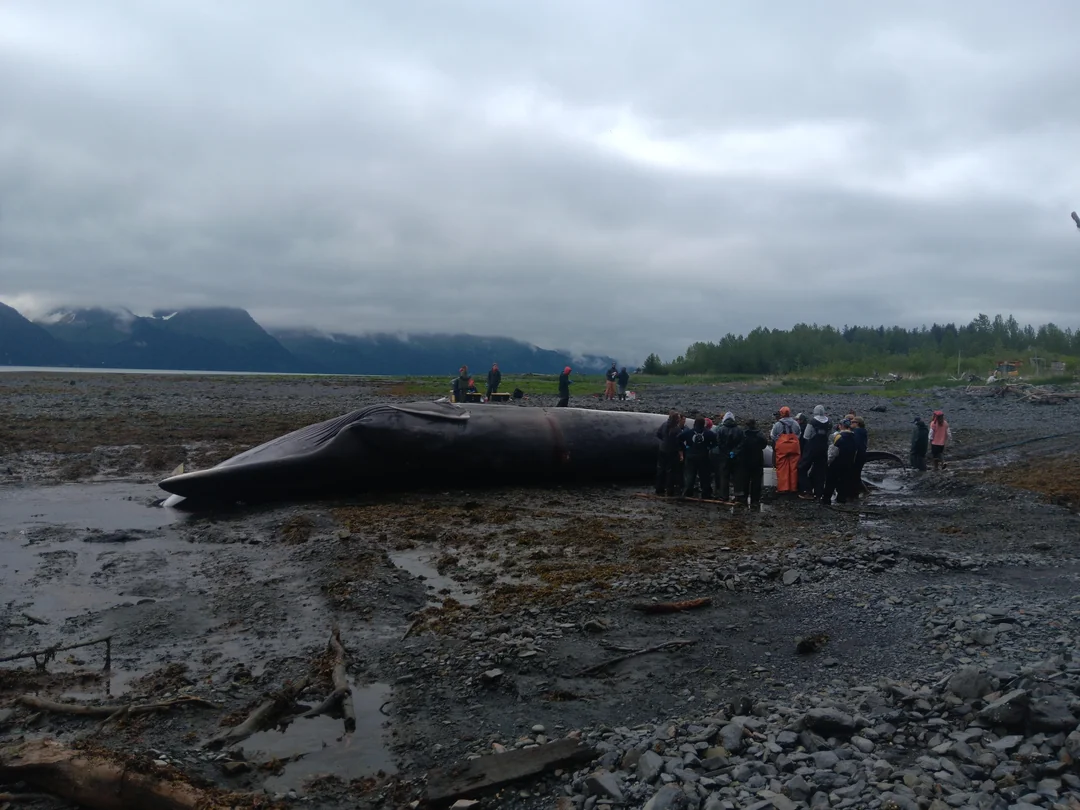
According to NOAA Fisheries Alaska, the whale was a 61-foot adult female fin whale, and initial findings suggest the animal may have been pregnant. The carcass was removed from the vessel and transported to a nearby beach where marine biologists and veterinary experts began conducting a necropsy to determine the exact cause of death. Federal wildlife officials have not yet confirmed whether the whale was killed by the cruise ship or if it had already died before coming into contact with the vessel.
Why Fin Whales Are So Important
Fin whales are not just another marine species. They are the second-largest animals on Earth, surpassed only by blue whales. Despite decades of conservation efforts, fin whales remain listed as endangered under the Endangered Species Act and protected under the Marine Mammal Protection Act.
Scientists estimate that vessel strikes remain one of the leading human-caused threats to large whale populations around the globe. The timing of this incident is especially troubling because Alaska’s waters serve as critical feeding grounds for several whale species during the summer months. As cruise tourism continues to expand across the region, marine conservation groups have increasingly called for additional monitoring, speed restrictions, and whale detection technologies to reduce collision risks.
Seward’s New Cruise Era Faces an Unwanted Spotlight
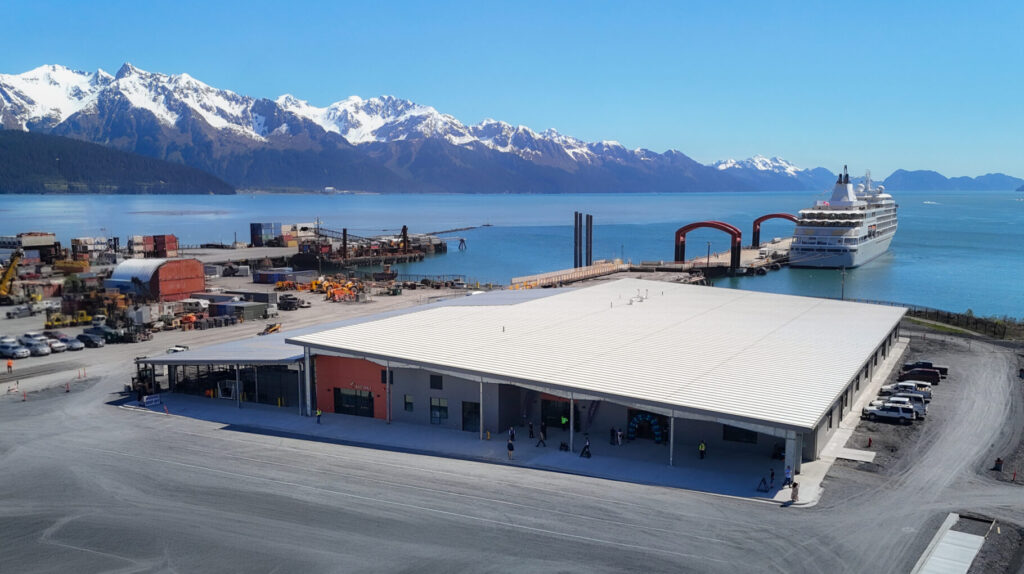
Ironically, the incident comes just days after the grand opening of Seward’s massive new cruise terminal, a $137 million redevelopment project that has been promoted as a major step forward for Alaska tourism. The new facility is now the largest cruise terminal in the state and serves as a key gateway for travelers exploring Alaska’s glaciers, wildlife, and national parks.
The Ovation of the Seas has become a centerpiece of Royal Caribbean’s Alaska operations in 2026, sailing seven-night itineraries between Seward and Vancouver. The vessel can carry nearly 5,000 guests and represents the growing scale of modern Alaska cruising.
Unfortunately, the whale discovery has overshadowed what was intended to be a celebratory start to the season.
Could Technology Prevent Future Collisions?
Marine researchers continue exploring solutions that could reduce ship strikes. Emerging technologies include thermal imaging systems, AI-powered whale detection software, acoustic monitoring networks, and dynamic speed restrictions based on real-time whale sightings.
Some conservation organizations argue that mandatory speed reductions in known whale feeding zones could significantly reduce fatal collisions. Others believe better communication between vessels and marine wildlife monitoring stations may provide the most practical path forward.
The reality is that no system is perfect. Oceans are vast, visibility is often poor, and whales can surface unexpectedly. Still, every incident provides valuable data that may help improve future protections.
What Happens Next?
For now, the focus remains on the ongoing investigation. Scientists hope the necropsy will reveal whether the whale died from blunt-force trauma, pre-existing illness, entanglement, or another cause entirely.
Regardless of the final determination, the image of an endangered fin whale arriving in port atop one of the world’s largest cruise ships serves as a stark reminder of the complex relationship between tourism and conservation. Alaska’s economy depends heavily on cruise traffic, but its identity is equally tied to the incredible wildlife that draws visitors there in the first place.
The coming weeks will provide answers. Until then, this story remains one of the most sobering maritime incidents of Alaska’s 2026 cruise season.
Make sure you don’t miss any whales on your Alaska cruise – pack binoculars!
Since childhood, I’ve trusted Bushnell for crystal-clear views—and their marine binoculars don’t disappoint. Waterproof, fogproof, and built tough with a lightweight aluminum body, they’re perfect for Alaska’s wet, rugged conditions. Soft grip and fully multi-coated optics deliver sharp, bright images, whether spotting whales or distant glaciers. A must-pack on an Alaska cruise!