Two Carnival Ships Are Australia Leaving in 2028
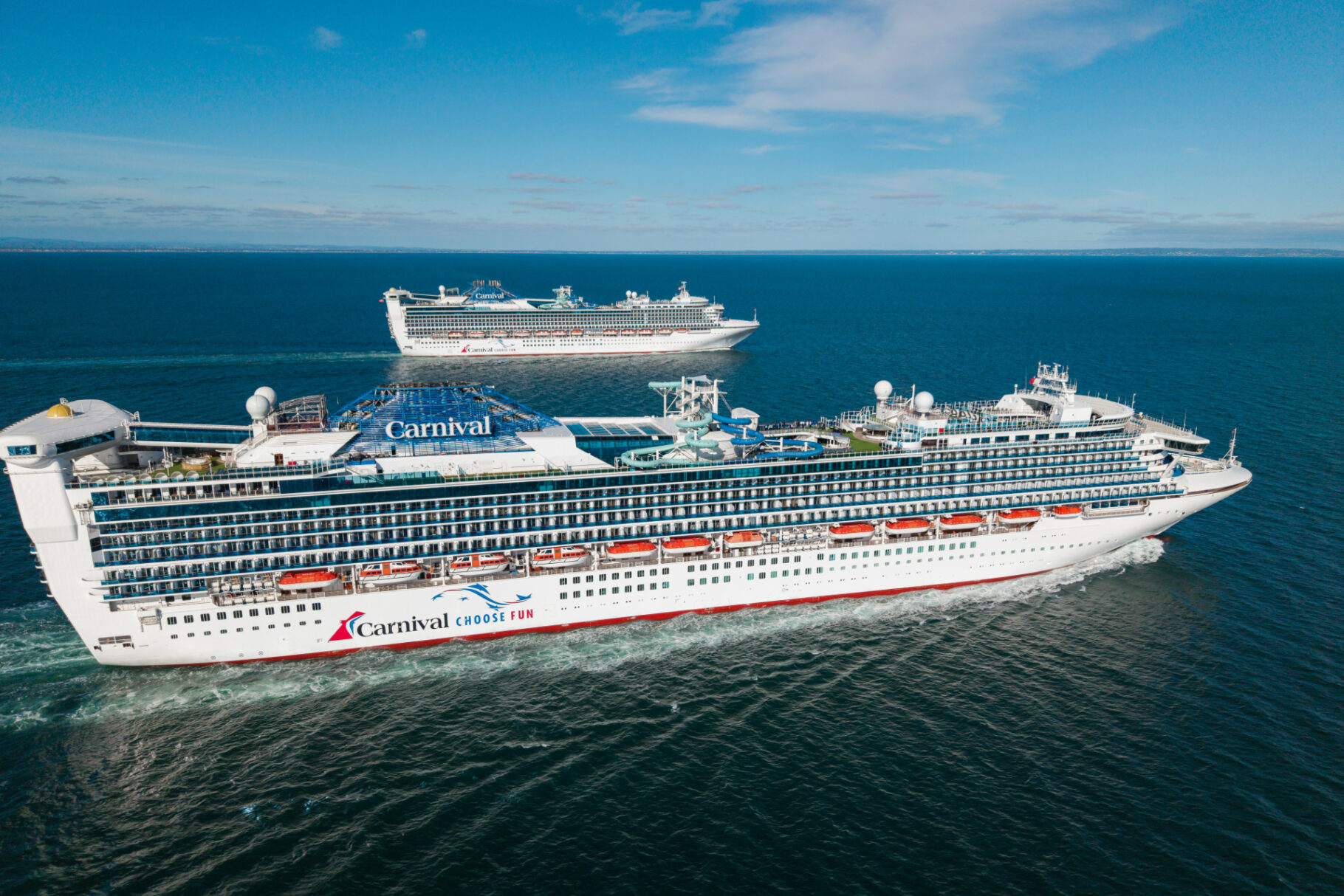
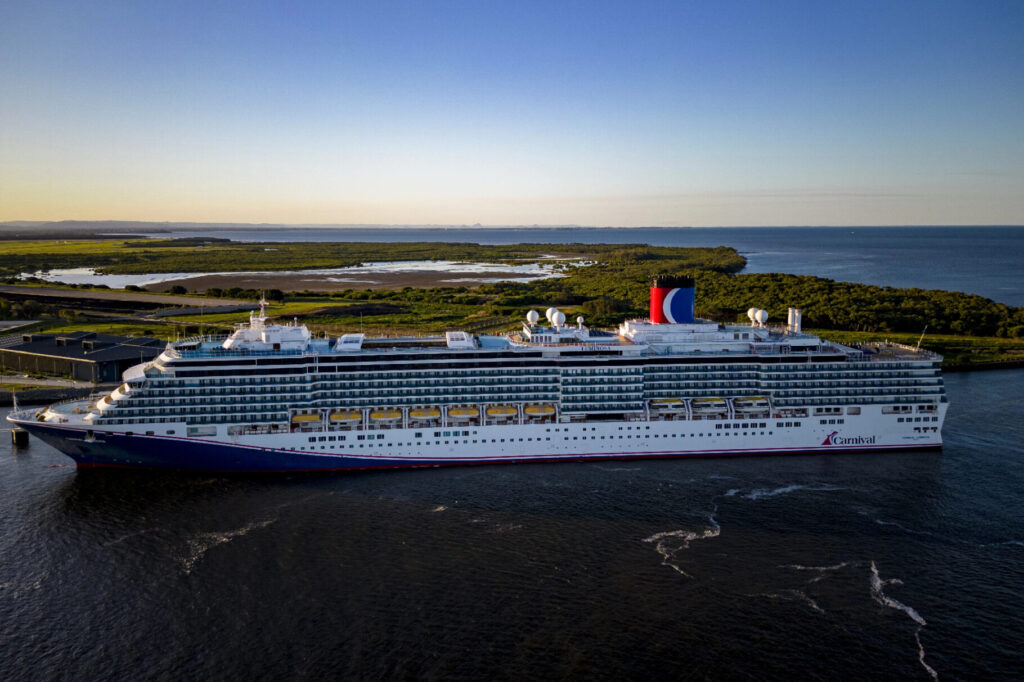
Carnival Cruise Line is making a major change to its Australian cruise operations, and holidaymakers who love sailing from Sydney or Brisbane will want to pay attention. The cruise giant has confirmed that Carnival Luminosa and Carnival Adventure will leave Australia in March 2028, cutting Carnival’s year-round Australian fleet from four ships to two.
The announcement, made on October 15, 2026, marks a significant shift in the cruise line’s deployment strategy. Carnival says the decision is part of its long-term global fleet planning, but its emphasis on regulatory uncertainty and competitive operating conditions points to a bigger challenge facing the Australian cruise industry: keeping ships Down Under when other international markets offer more attractive business opportunities.
Which Carnival Ships Are Leaving Australia?
The revised deployment plan gives Australian cruise passengers a clearer picture of what to expect in 2028, although it also means fewer Carnival ships will be available for local holidays.
According to Carnival’s official announcement, the two departures are scheduled just five days apart.
- Carnival Luminosa: The ship will make its final Australian voyage from Sydney on March 15, 2028. It has operated seasonal cruises from Brisbane since cruising resumed in 2022.
- Carnival Adventure: The ship will depart Sydney on March 20, 2028, and will no longer return to Australia as previously planned.
The two ships are expected to be redirected toward North American operations, although Carnival has not confirmed every detail of their future deployment in its latest announcement. Carnival Adventure had already been scheduled to sail in Alaska during the northern summer of 2028, but the original plan called for the ship to return to Australia afterward. That return is now off the table. What was previously a seasonal adjustment has become a much more substantial withdrawal from the Australian market.
The two remaining ships will be Carnival Splendor, sailing year-round from Sydney, and Carnival Encounter, operating year-round from Brisbane. Carnival is maintaining a presence in Australia, but its local fleet will be half the size it is today.
Why Is Carnival Pulling Ships Out of Australia?
1. Regulatory uncertainty is making long-term planning harder
Carnival’s explanation goes beyond simply moving ships around a global schedule. The company has highlighted the importance of long-term certainty and globally competitive operating conditions, two factors that matter enormously when cruise itineraries and ship deployments are planned years in advance.
Cruise ships require substantial advance planning for port access, staffing, fuel, maintenance, itineraries and commercial agreements. When the rules governing operations may change, cruise operators face greater difficulty calculating future costs and deciding where to invest their vessels.
Carnival has also raised concerns about the regulatory environment in Australia and New Zealand. In February 2026, the cruise line said it was adjusting Carnival Adventure’s deployment because of more favourable market conditions elsewhere and uncertainty surrounding regional regulations. By October, the company had gone further, confirming that neither Carnival Adventure nor Carnival Luminosa would remain in the Australian fleet beyond March 2028.
2. Operating costs and competing cruise markets
Regulatory uncertainty is only part of the picture. Operating a cruise ship involves port charges, pilotage, berthing, fuel, provisions, maintenance and other expenses that can vary significantly between destinations.
Australia’s geographical position presents a commercial challenge. Ships deployed there operate far from many of the world’s largest cruise markets, making repositioning more complicated and potentially more expensive than shifting vessels between ports in more closely connected regions.
North America, meanwhile, offers established cruise hubs and access to popular itineraries, including Alaska and the Caribbean. Carnival can move ships between markets to pursue stronger commercial opportunities, rather than keeping every vessel in one region simply because it has historically operated there.
The key point is that Carnival is making a global business decision, not announcing that Australians have stopped taking cruises. The company has pointed to more favourable opportunities elsewhere and the need for predictable operating conditions, suggesting that Australia must remain commercially competitive if it wants to retain more year-round cruise capacity.
Australia’s Cruise Market Is Growing, So What’s Going Wrong?
Here is where the story gets particularly interesting: Carnival is reducing its Australian fleet even as Australians are embracing cruise holidays in record numbers. Figures published by Cruise Lines International Association and reported by Destination NSW show that 1.45 million Australians took a cruise in 2025, a 9.5% increase on 2024. Australia remained the world’s fourth-largest cruise sourcemarket, behind the United States, Germany and the United Kingdom.
That makes it difficult to blame the fleet reduction on a simple lack of interest in cruising. The more complicated issue is the difference between passenger demand and the economics of keeping ships based in a particular country.
A cruise line can attract plenty of customers and still decide that deploying a ship elsewhere offers better financial returns.Ships are expensive assets, and their owners must weigh expected ticket revenue against operating expenses, port infrastructure, itinerary demand and the costs of moving vessels between regions. Recent industry figures underline that tension. Cruise ship visits to Australian ports reportedly fell by 9.3% in 2025, to approximately 1,496, even as the number of Australians taking cruises climbed to a record high. Rising port costs, regulatory expenses and the withdrawal of capacity by several operators have all contributed to the changing picture.
The Regulatory Issue
The timing of Carnival’s announcement is notable because Australia has only recently taken another step to address uncertainty in its cruise industry.
On October 2, 2026, the federal government announced that the cruise industry’s exemption from the Coastal Trading Act would be extended until December 31, 2028. The arrangement allows eligible international cruise ships to carry passengers between Australian ports without being subject to the legislation’s usual coastal trading requirements, subject to the exemption’s conditions. The extension provides breathing room, but it does not settle the industry’s longer-term regulatory questions.
The government has said the latest extension is intended to be the final one while broader reforms are developed. From January 2027, updated conditions will also strengthen certain protections for seafarers, including provisions relating to collective bargaining.
For Carnival, the challenge is planning deployments years ahead while the future operating framework remains underdevelopment. The company has said that it will continue working with the federal government on creating a more competitive and predictable environment for cruise operators.
Carnival Isn’t the Only Cruise Line Cutting Back in Australia
Carnival’s decision is part of a broader shift in the Australian cruise market, rather than an isolated fleet adjustment. Other cruise brands have already reduced their presence or moved away from maintaining ships in Australia year-round.
Recent industry reporting has identified Virgin Voyages, Disney Cruise Line and Cunard, among others, as operators thathave scaled back or ended certain Australian deployments. Disney Wonder and Virgin Voyages’ Resilient Lady havefeatured in reports about reduced regional capacity, while the former P&O Cruises Australia operation was absorbed intoCarnival’s business in 2025.
But Australia’s cruise market is not being abandoned altogether. Princess Cruises, for example, has announced plans for Crown Princess to be based in Melbourne for the 2028/29 season, offering a potential boost to local cruise options.
Quality sunscreen is a must when visiting the Land Down Under!
Trusted by dermatologists, Blue Lizard sunscreen offers broad-spectrum SPF 50+ protection with mineral-based ingredients. It’s water-resistant, fragrance-free, and perfect for sensitive skin. I never travel without it—reliable, reef-friendly sun protection wherever your adventures take you.