
Cruise Ship Hairstylist Accused of Assaulting Passengers
A routine salon appointment on board a luxury cruise ship has turned into a federal criminal case, and it’s raising fresh questions about who’s really watching over passengers once a ship leaves port.
What Allegedly Happened Aboard the Brilliant Lady
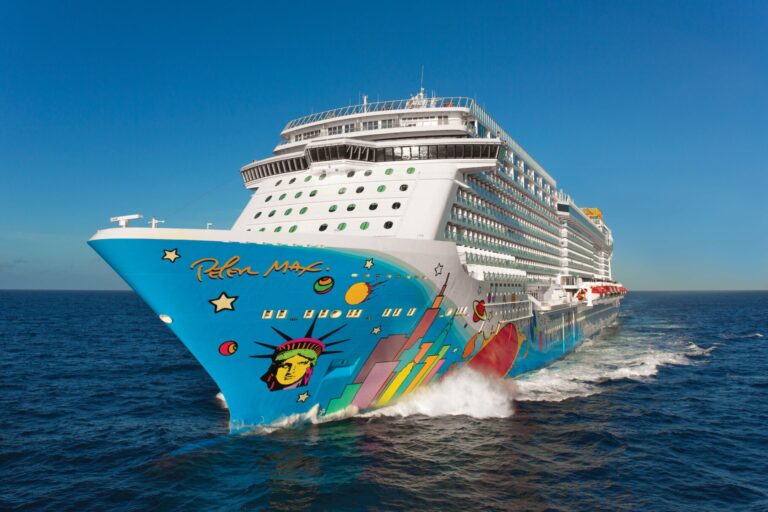
Federal prosecutors in the Western District of Washington say 26-year-old Pranit Narayan Pawar, a citizen of India working as a hairstylist aboard Virgin Voyages’ Brilliant Lady, used his position to target women booking hair appointments during a recent Alaska cruise. According to the criminal complaint, Pawar started offering “free massages” to salon clients — in one case allegedly dangling the offer as an incentive if a passenger booked three separate salon appointments.
That’s not exactly a standard salon upselling. While massages are available on the Brilliant Lady, they’re given in the Redemption Spa on Deck 5. Pawar worked in the Dry-Dock Salon, a separate venue on the Brilliant Lady.
In the two incidents actually charged, prosecutors allege Pawar led the victims into a small room adjacent to the salon. Under the pretense of giving a massage, he allegedly slid his hands under their shirts and onto their breasts. In at least one case, he’s accused of locking the door first.
Pawar was arrested last week when the ship docked in Seattle. He’s now facing two federal counts of abusive sexual contact — a charge tied to what’s called “special maritime and territorial jurisdiction,” which is basically the legal framework that lets the U.S. prosecute crimes committed on ships even when they occur far from any coastline. If convicted, each count carries up to two years behind bars. It’s worth noting: these are still just allegations right now. Pawar hasn’t been convicted of anything, and he’s legally presumed innocent unless a jury says otherwise.
The FBI is running point on the investigation, which tracks with how these cases typically work — the Bureau has jurisdiction over violent and sexual crimes that happen in international waters, since local police departments have zero authority once a ship is 12 miles offshore.
This Isn’t an Isolated Story
Here’s the part that should give any would-be cruiser pause: sexual assault isn’t a rare blip in cruise ship crime data — it’s consistently the top category. Federal reporting under the Cruise Vessel Security and Safety Act (CVSSA) showed 43 crimes reported across all major cruise lines in just the first quarter of 2026, and sexual offenses made up the overwhelming majority of that count, with roughly three dozen incidents split between assault and rape classifications.
Zoom out further and the picture gets murkier, not clearer. Attorneys and maritime safety advocates who track this data point out that cruise lines themselves decide what gets reported to the FBI and Department of Transportation — there’s no independent auditor checking their math. Reporting only kicks in for crimes meeting fairly narrow legal definitions, and things like video voyeurism don’t even make the list. Translation: the numbers that do get published are almost certainly a floor, not a ceiling.
Crew-on-passenger incidents like the one alleged against Pawar fit a documented pattern. Employees who have routine, close physical access to passengers — salon staff, spa workers, cabin stewards — occupy a uniquely trusted position, and that trust is exactly what prosecutors say Pawar exploited.
What Passengers Can Actually Do About It
If there’s a silver lining, it’s that awareness is climbing right along with reporting rates. A few practical takeaways worth keeping in your back pocket before your next cruise:
- Report immediately. If something happens on board, tell ship security right away and independently contact the FBI at 1-800-CALL-FBI or through tips.fbi.gov — don’t rely solely on the cruise line to escalate it.
- Know the jurisdiction quirk. Crimes at sea fall under federal law, not local police, which changes how and where a case gets investigated.
- Trust your gut with service upsells. An unsolicited “extra” service tied to booking more appointments is a red flag worth pushing back on.
- Keep a paper trail. Save receipts, appointment confirmations, and any texts or messages — they matter if a civil claim follows a criminal one.
Cruising remains, statistically, a popular and mostly safe way to travel. But cases like this one are a reminder that “mostly safe” isn’t the same as risk-free, and knowing your rights before you ever board the ship is the best insurance you’ve got.