Insurance Ruling Highlights Why Every Traveler Should Read the Fine Print
A Rejected Travel Insurance Claim Sparks Wider Questions
A New Zealand travel insurance dispute has become a timely reminder that the wording inside an insurance policy can matter just as much as buying the policy itself. In a recent case, an insurer initially rejected a customer’s claim after deciding that a cruise ship qualified as a “public place.” That interpretation ultimately proved to be incorrect, with the insurer later acknowledging the mistake and compensating the customer.
Travel insurance claims are already stressful enough. Throw in a disputed definition of something as ordinary as a cruise ship, and you’ve got a situation that many people simply don’t expect.

Why the Claim Was Initially Rejected
The dispute centered on a theft that occurred aboard a cruise ship. The insurer relied on policy wording relating to valuables being left unattended in a public place and argued that the cruise ship fell into that category. The cruiser argued that a cruise ship is a privately operated vessel and therefore did not qualify as a public space. The insurer accepted that the claim had been wrongly declined and paid the customer accordingly.
Consumer advocates say cases like this demonstrate that insurance policies aren’t always interpreted correctly during the first assessment. While insurers process thousands of claims every year, human interpretation still plays a major role, especially when policies contain broad or ambiguous language. That means policyholders should always request a detailed explanation when a claim is denied instead of assuming the decision is set in stone.
What Travelers Should Do if a Claim Is Rejected
Consumer dispute specialists regularly encourage policyholders to ask the insurer for a full written explanation before accepting the decision. If the reasoning appears inconsistent with the policy wording, consumers can request an internal review and, if necessary, escalate the complaint through the appropriate independent dispute resolution service.
Keeping detailed records can dramatically strengthen a claim. Travelers should save receipts, photographs of expensive belongings, cruise booking documents, police reports where applicable, and correspondence with cruise staff. The more evidence available, the easier it becomes to establish exactly what happened.
Insurance Isn’t Just About Buying a Policy
Many people compare travel insurance based almost entirely on price.
That’s understandable, especially when holiday budgets are already stretched. But the cheapest policy isn’t always the one that provides the best protection.
Coverage differences can include:
- Cabin theft protection
- Missed port compensation
- Medical evacuation
- Cruise interruption benefits
- Shore excursion cancellation
- Emergency accommodation
- Replacement of passports and travel documents
These benefits vary significantly between insurers, making comparison shopping worthwhile before booking a cruise.
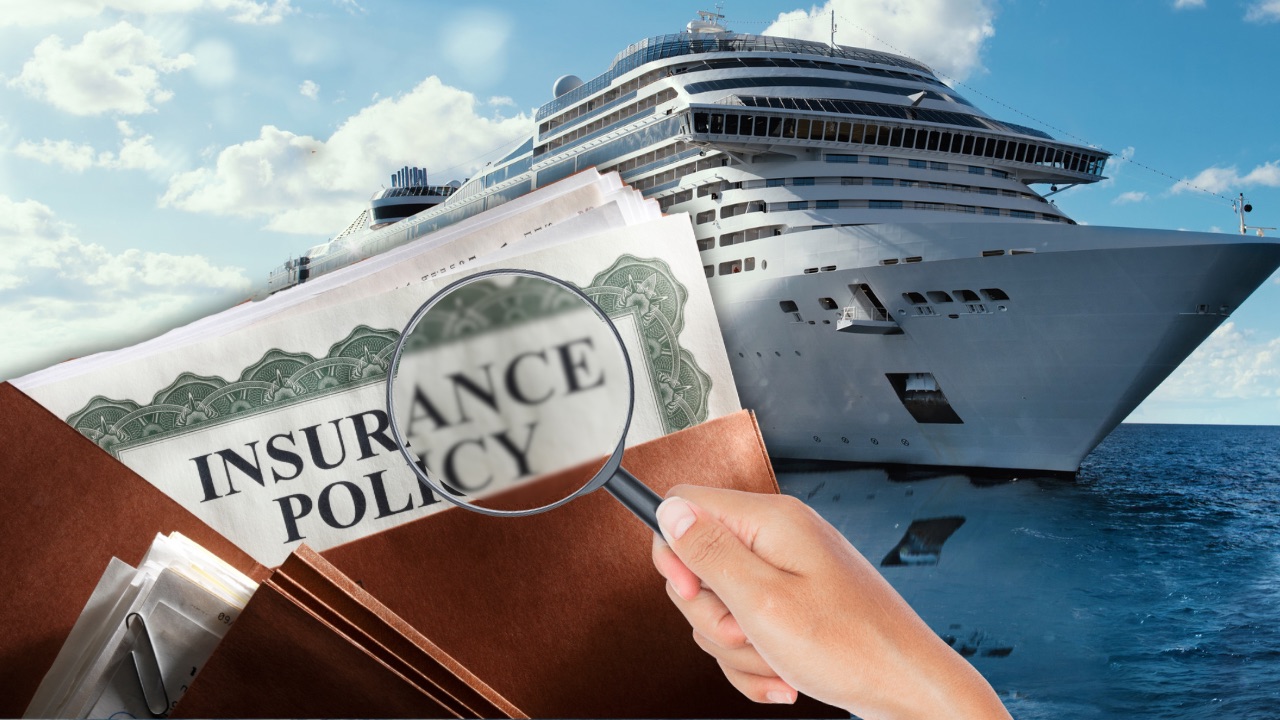
Know what to watch out for in your cruise insurance policy!