The Rise of Family Cruising—and the Pushback
Cruising has officially become a family affair.
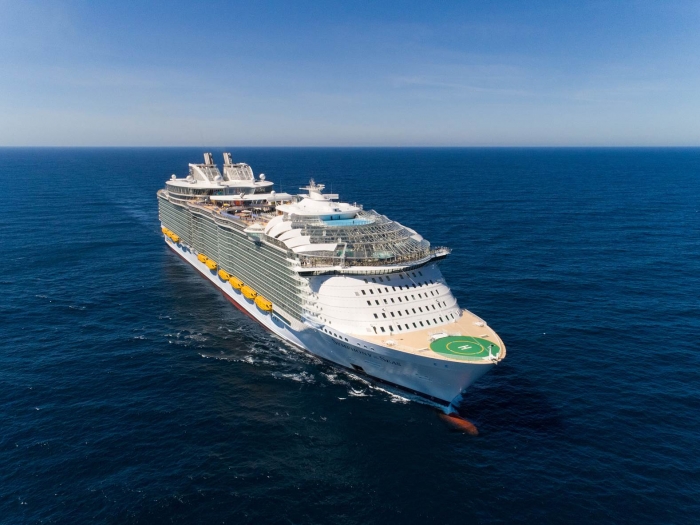
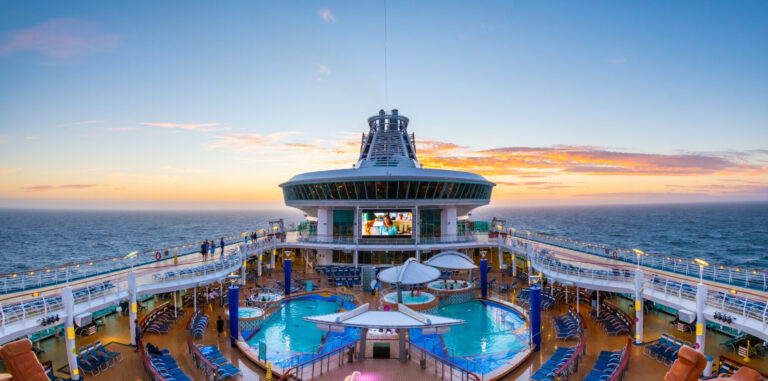
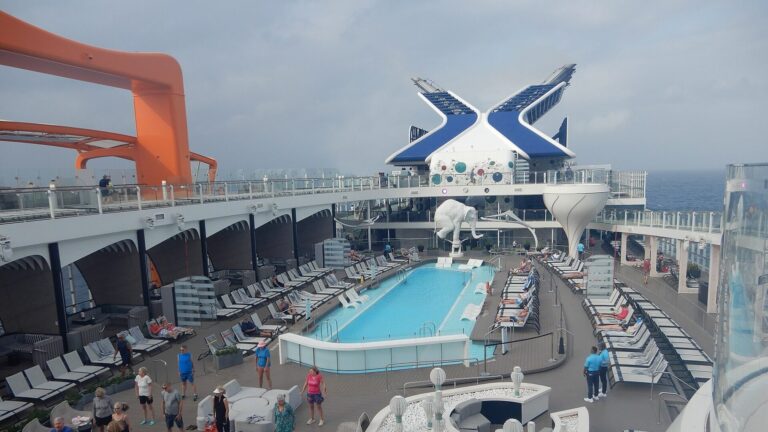
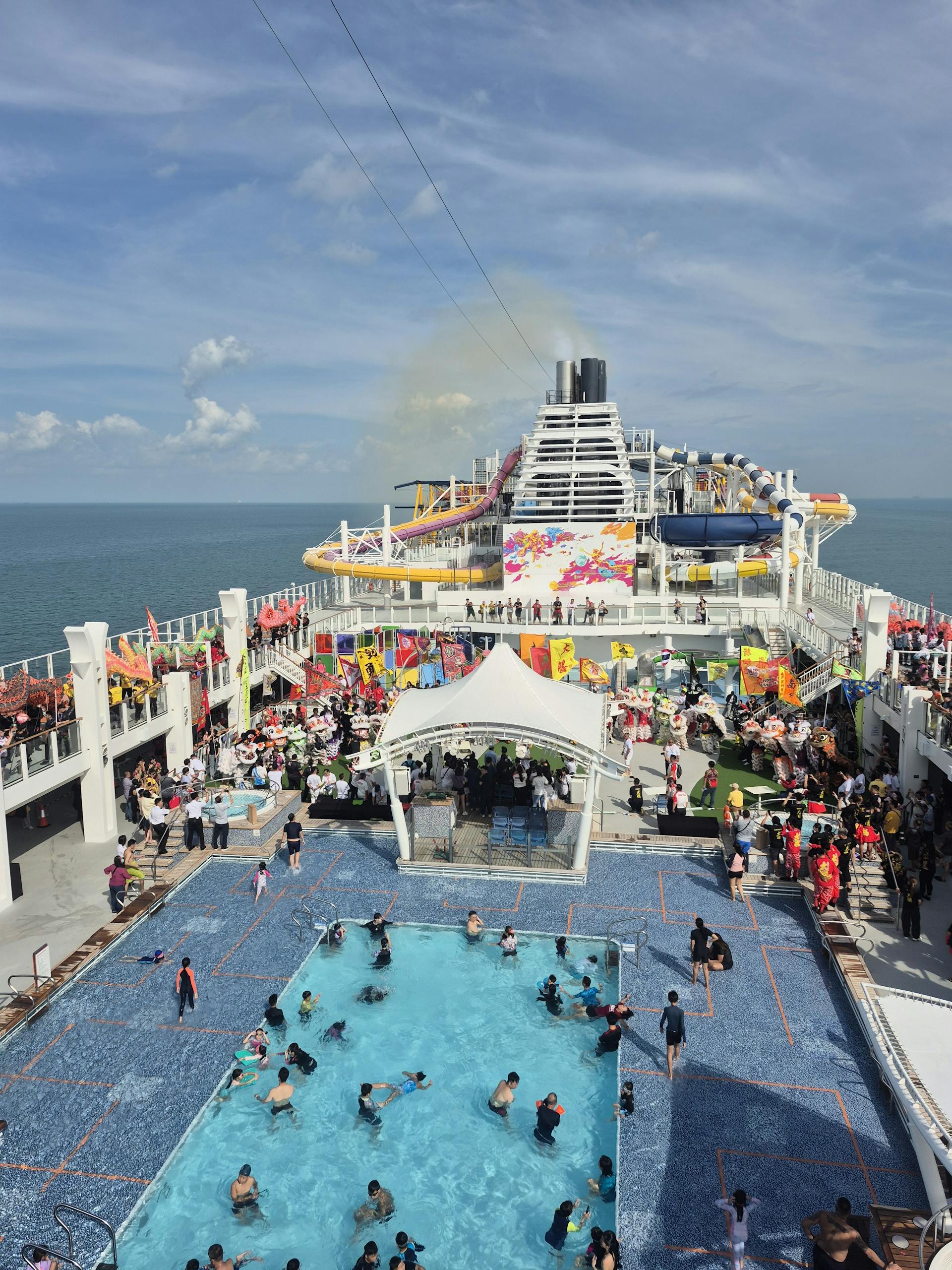
Over the past several years, major cruise lines have doubled down on kid-friendly amenities—water parks, roller coasters at sea, and full-on youth programs. Ships sailing under brands like Royal Caribbean and Carnival Cruise Line are practically floating theme parks now, and yeah, they can be packed.
But not everyone is loving the vibe.
A growing number of travelers are speaking out, saying some cruises feel less like a relaxing getaway and more like a full-blown daycare on water. And according to recent travel reports, this shift is pushing cruisers—especially couples and solo travelers—to rethink how they book their trips.
Should kids be banned from cruising altogether? Let us know what you think!
Bringing Kids on a Cruise—Without Ruining It for Everyone
Let’s flip the script for a second—because kids aren’t the problem.
It’s how they’re managed that makes or breaks the experience for everyone onboard. And as cruise ships get bigger and more family-focused, expectations around parenting at sea are becoming a real conversation. Done right, cruising with kids can be incredible. We’re talking structured fun, new destinations, and built-in entertainment that actually keeps them engaged.
But here’s the deal—parents need a game plan.
Start with basic etiquette. Hallways aren’t racetracks, elevators aren’t jungle gyms, and late-night noise travels fast in those narrow corridors. Teaching kids to respect shared spaces is step one, and honestly, it’s non-negotiable if you want a smooth trip.
Next, lean into the ship’s programming. Cruise lines like Disney, Royal Caribbean, and Carnival all offer structured kids’ clubs with activities broken down by age group. We’re talking science labs, scavenger hunts, video game tournaments—the works. These are great places for kids to hang out away from (and without bothering) adults, make new friends, and maybe even learn a new skill.
And then there’s the secret weapon more parents are catching onto: the cruise journal.
A simple travel journal or activity book gives kids something to focus on during downtime, whether it’s writing about their favorite port, sketching the ship, or tracking daily adventures. It’s low-tech, screen-free, and surprisingly effective at keeping boredom (and meltdowns) in check.
The kids in my life love this cruise journal! With packing lists, activity planners, writing prompts, and doodle pages, it’s the perfect keepsake for young travelers. Ideal for kids cruising for the first time—or the tenth! A fun way to remember every ocean adventure.


I created this activity book to keep kids happy (and learning!) on cruise days. Packed with coloring pages, mazes, word games, and puzzles, it’s perfect for sea days, travel time, or cruise countdowns at home.

How to Avoid the Floating Daycare
That said, not every traveler signs up to spend their vacation navigating someone else’s family dynamics. If you’re looking for a quieter, more relaxed escape—and prefer to keep kid-heavy environments to a minimum—there are a few smart strategies that can completely reshape your onboard experience.
Rule One: Pick the Right Cruise Line

Not all cruise lines are created equal.
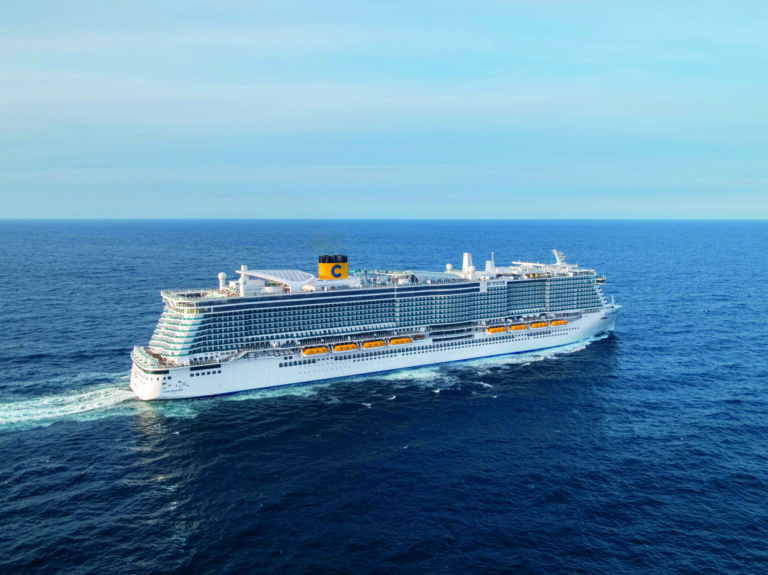
Industry data from early 2026 shows a clear divide between family-focused brands and those catering to adults. Lines like Disney Cruise Line and Royal Caribbean are built for families, offering extensive kids’ clubs, character experiences, and high-energy activities.
On the flip side, cruise lines such as Viking Ocean Cruises and Virgin Voyages have leaned hard into the adults-only or upscale market. Viking, for example, doesn’t allow passengers under 18 at all. Carnival is getting into the adults-only world as well, as they offer a growing number of Sailings Exclusively for Adults.
Translation? If you want peace and quiet, your cruise line choice is everything.
Rule Two: Timing Is Everything
Here’s a little insider tip—when you sail can be just as important as where you sail.
Cruises during peak travel windows like summer break, Christmas, and spring break are packed with families. No surprise there. Ships are at capacity, and kid-heavy programming is in full swing.
But sail during shoulder seasons—like late January, early May, or September—and the vibe changes dramatically. Fewer kids, fewer crowds, and a much calmer onboard experience.
Travel advisors say off-peak bookings have surged in the last six months among adults specifically trying to avoid high-energy, kid-centric cruises. It’s a simple switch, but it makes a huge difference.
Rule Three: Choose Your Ship Carefully
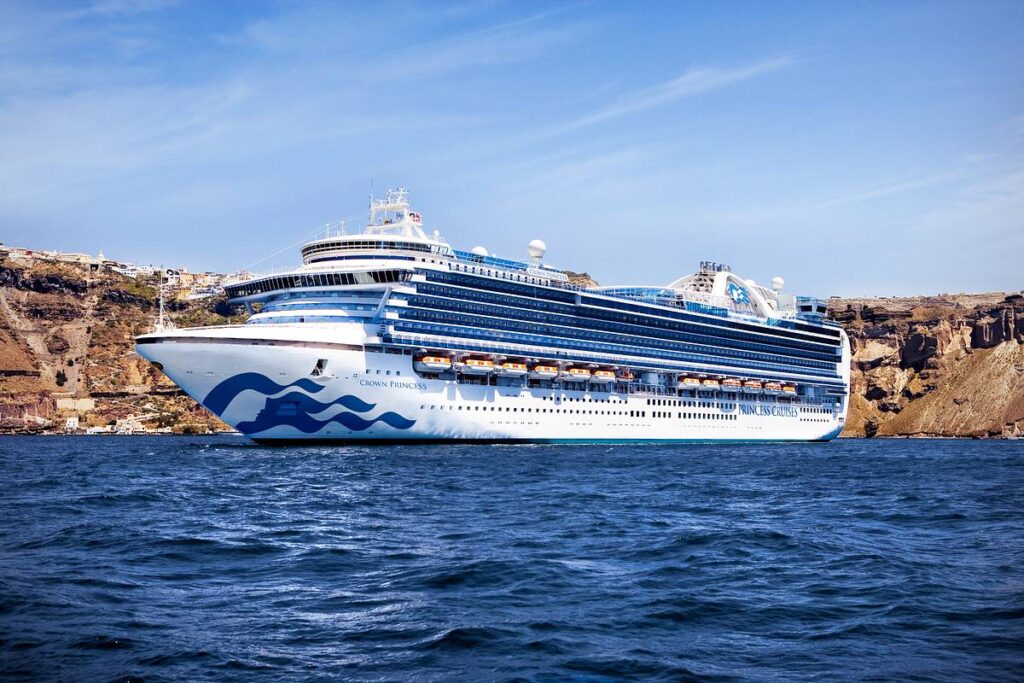
Even within the same cruise line, ship selection matters.
Newer mega-ships tend to attract more families because they’re loaded with attractions—water slides, arcades, sports complexes, you name it. These ships are designed to entertain thousands of passengers of all ages.
Smaller or older ships? Totally different story.
They often offer a quieter, more relaxed atmosphere with fewer kid-focused amenities. That doesn’t mean boring—it just means less chaos and more space to breathe.
Rule Four: Book Smart Once You’re Onboard
Let’s say you’re already booked on a family-heavy cruise. You’re not stuck.
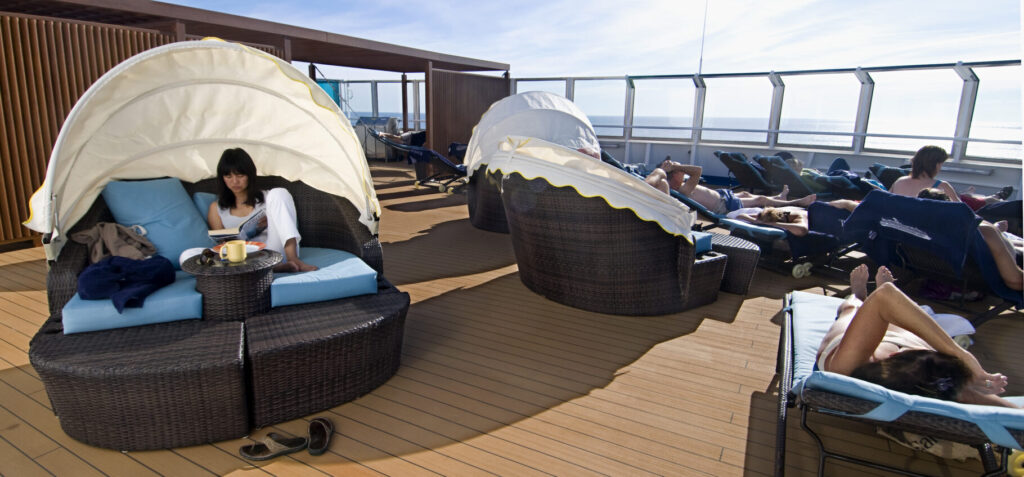
Experts recommend strategic planning once you’re onboard. Adult-only areas like quiet sun decks, specialty restaurants, and late-night entertainment zones tend to stay more peaceful. Some cruise lines even offer adults-only pool sections or spa retreats—worth every penny if you’re craving a break from the noise.
Personalizing the Cruise Experience
What we’re seeing in 2026 is a shift toward more intentional travel.
Cruisers aren’t just booking based on price or destination anymore—they’re choosing experiences that match their vibe. Whether that means a family-friendly adventure or a calm, adults-only escape, the key is doing your homework upfront.
Because here’s the deal—cruising can still be one of the best vacations out there. You just have to know what you’re signing up for.