Mexican Government Rejects Cruise Ships in Loreto as Environmental Concerns Take Center Stage
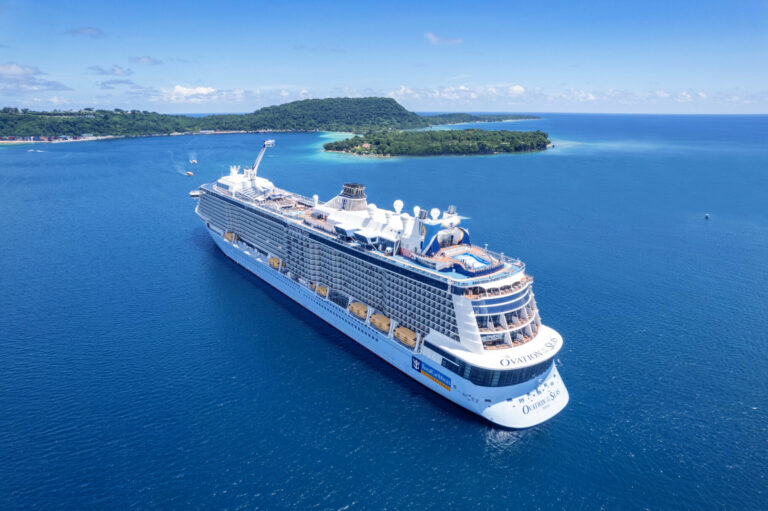
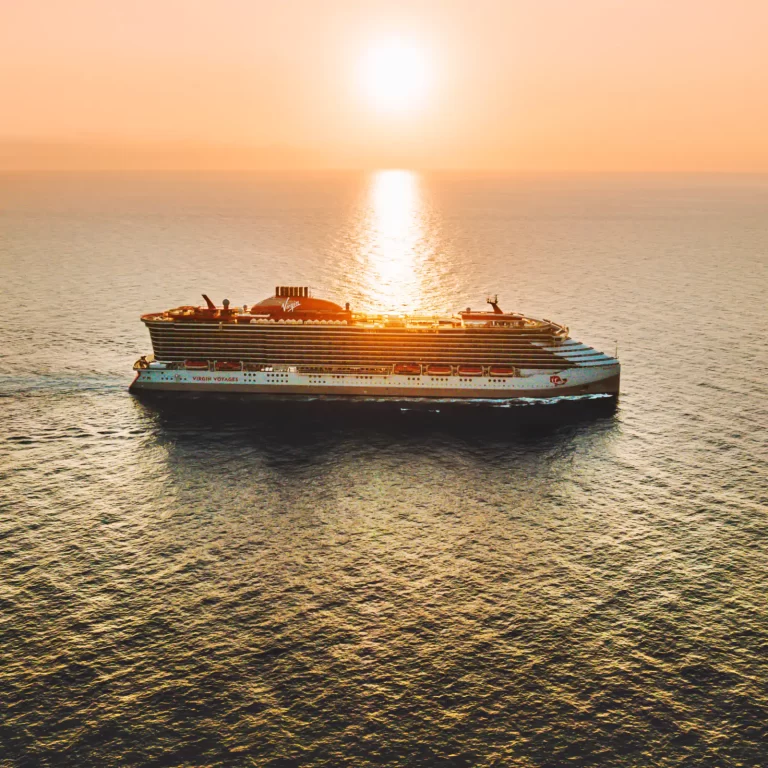
In a significant development for Mexico’s cruise tourism industry, the federal government has reaffirmed that large cruise ships will not be welcomed at Loreto, a coastal destination celebrated for its marine wildlife, unspoiled scenery and protected waters.
The decision places Loreto at the center of a growing debate over cruise ship expansion, environmental protection and the future of sustainable tourism in Mexico. The government’s position follows months of public opposition, regulatory changes and discussions about how commercial shipping should be managed in the sensitive waters of Loreto Bay. The issue is bigger than a single port call. It raises an important question for cruise lines, travelers and local businesses: How can Mexico, or any country, benefit from a booming cruise industry without putting its most valuable natural attractions at risk?
Why Mexico Reversed Course on Cruise Ship Access
The controversy intensified in April 2026, when a presidential decree changed Loreto’s classification and opened the door for larger vessels to call at the port. The move prompted strong objections from residents, environmental advocates and people concerned about the long-term effects of large-scale maritime tourism. Local campaigners argued that Loreto’s appeal rests on its natural environment and relatively low-impact tourism, rather than the mass-market cruise infrastructure found at some of Mexico’s busier ports.
By July, the Mexican government had publicly clarified its position. In a July 3 statement, the Ministry of Environment and Natural Resources, known as Semarnat, said that President Claudia Sheinbaum had instructed officials to prioritize dialogue and community participation in determining the rules governing navigation at Loreto. Environment Secretary Alicia Bárcena also stated that Loreto would not receive cruise ships or become a deep-water port. The government emphasized the need for updated management measures, additional technical studies and decisions informed by scientific evidence and local input.
The maritime authorities subsequently confirmed that Loreto had returned to cabotage-zone status following the repeal of the earlier decree. Under that status, international cruise calls are not permitted under the port’s current arrangements. Officials also said cruise arrival requests covering the period from 2026 through 2030 had been declined.
Why Loreto Bay Matters to Marine Conservation
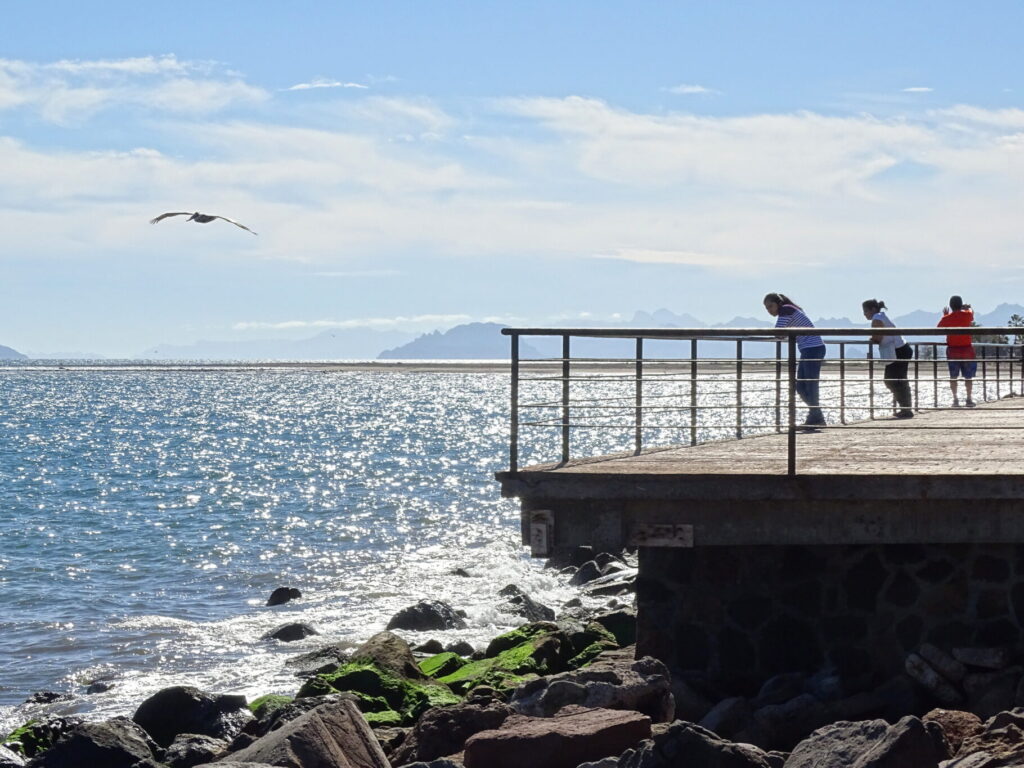
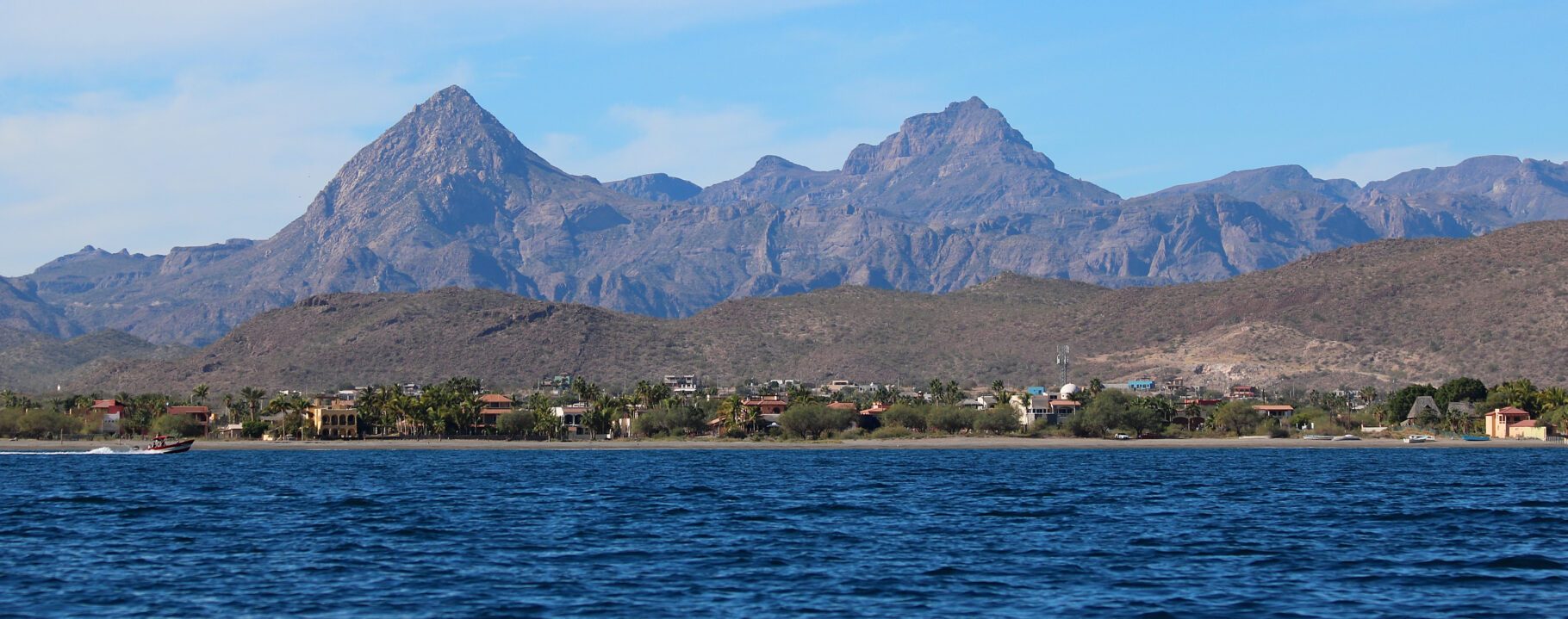
Loreto is located along the eastern coast of Mexico’s Baja California Peninsula, overlooking the Gulf of California, also widely known as the Sea of Cortez. Its surrounding waters support an impressive range of marine life, making the region a major destination for wildlife watching, boating, snorkeling and other nature-based activities. The nearby Loreto Bay National Park is part of a broader network of islands and protected areas in the Gulf of California recognized by UNESCO as a World Heritage property. The wider region provides important habitat for marine mammals, including blue whales, fin whales, dolphins and California sea lions.
The presence of blue whales has particular significance for Loreto. In March 2026, Mexico’s National Commission of Natural Protected Areas reported that researchers had identified at least 30 individual blue whales in the protected area during that season, including a mother and calf. The agency also highlighted the sighting of an albino blue whale, an unusual observation with scientific and conservation significance. These animals are part of what makes Loreto distinctive. Visitors come to experience wildlife in its natural setting, not simply to check another destination off a cruise itinerary.
Environmental advocates have raised concerns about the potential effects of larger vessels, including underwater noise, vessel strikes involving marine mammals, pollution risks and disturbances to sensitive habitats. These are risks that require careful assessment rather than assumptions that every ship visit will cause measurable harm. That means examining vessel size, routes, anchoring practices, seasonal wildlife movements and enforcement capacity before approving any major expansion.
The Economic Trade-Off: Cruise Passengers Versus Sustainable Tourism
There is no denying that cruise ships can deliver significant economic benefits. Passengers spend money on transportation, restaurants, souvenirs, guided excursions and other services, while port calls can create opportunities for tour operators and small businesses. But the financial picture is not always straightforward. The number of passengers arriving at a destination does not, by itself, reveal how much money remains in the local economy, how widely that income is distributed or what public costs accompany the additional visitors.
Loreto has developed a tourism identity built around smaller-scale experiences, including wildlife excursions, island visits, fishing trips and outdoor recreation. Supporters of this approach argue that preserving the bay helps maintain the very resource on which local livelihoods depend.
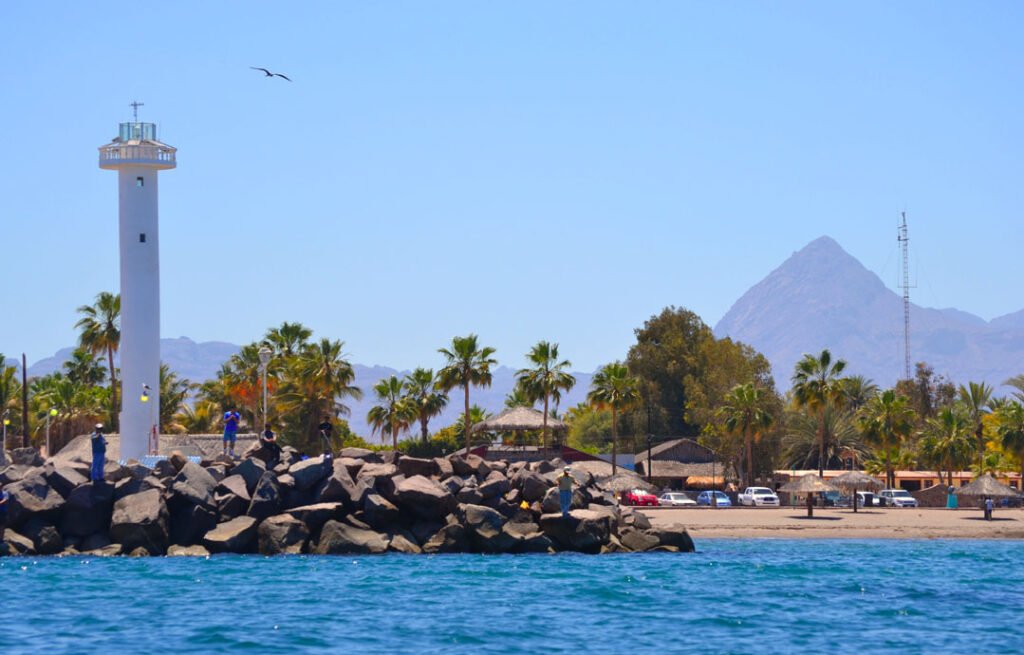
That does not mean cruise tourism and conservation are inherently incompatible everywhere. It means the right balance depends on local conditions, infrastructure, environmental limits and community priorities.
Mexico’s cruise industry is expanding rapidly. According to the federal Tourism Ministry, Mexican ports welcomed approximately 8.2 million cruise passengers across 2,236 ship calls between January and August 2026. That represented a 15.9% increase in passenger traffic and a 12% increase in arrivals compared with the same period in 2025. Pacific ports recorded about 2.8 million passengers during those eight months, an increase of 29.8% year over year. Cabo San Lucas, another major Baja California Sur destination, recorded passenger growth of 50.7%.
Those figures illustrate the commercial momentum behind cruise tourism. They also help explain why Loreto’s decision matters: Mexico is pursuing growth in the sector while confronting questions about where that growth should occur and under what conditions. The challenge now is to ensure that the economic benefits of tourism do not come at the expense of the natural capital that attracts visitors in the first place.
Do your part to protect the environment! Always use reef-safe sunscreen when snorkeling or scuba diving.
Trusted by dermatologists, Blue Lizard sunscreen offers broad-spectrum SPF 50+ protection with mineral-based ingredients. It’s water-resistant, fragrance-free, and perfect for sensitive skin. I never travel without it—reliable, reef-friendly sun protection wherever your adventures take you.