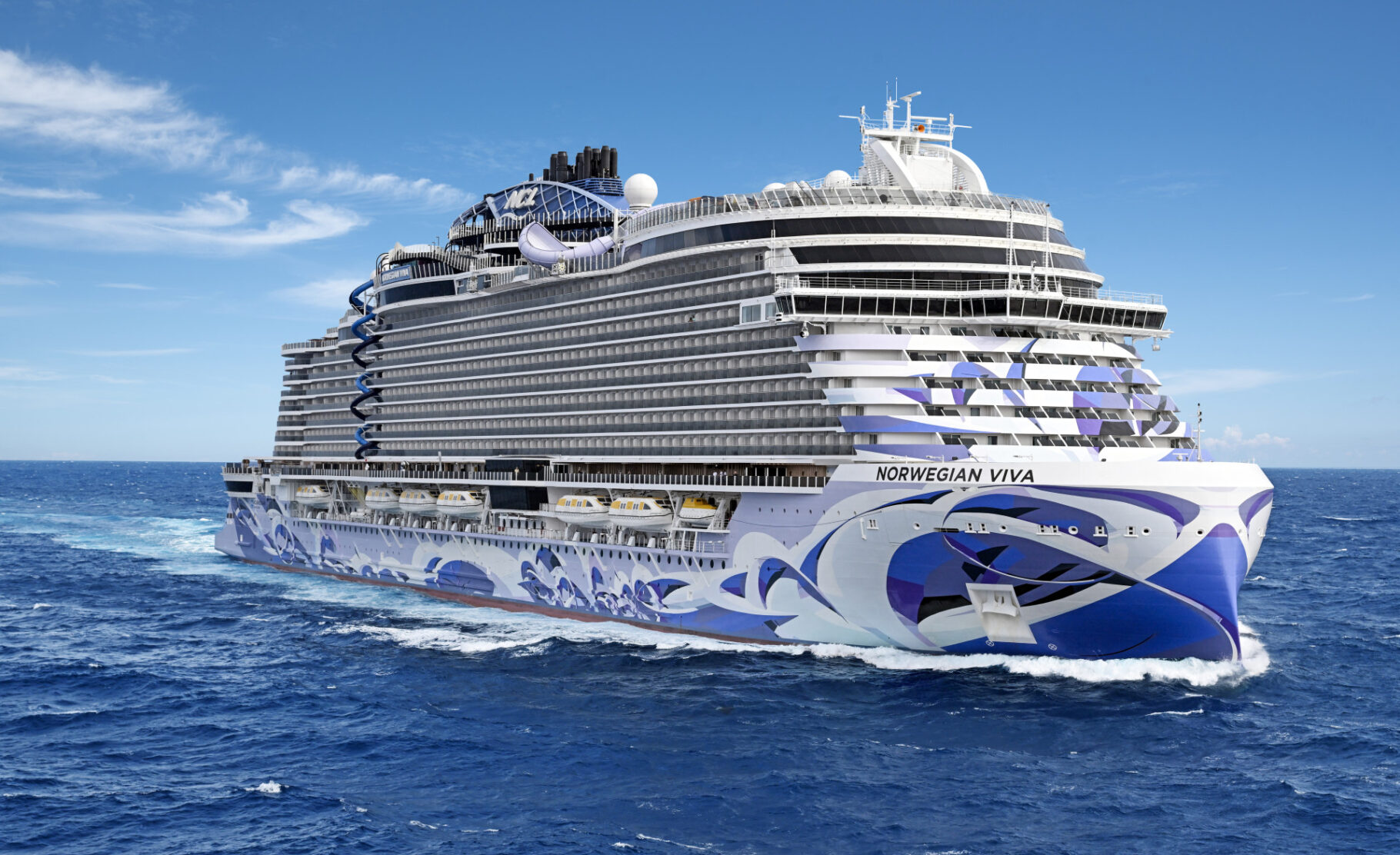
Fake Emails Use Real Booking Details to Target Cruise Passengers
Norwegian Cruise Line passengers are facing a worrying new phishing scam that makes fraudulent emails particularly difficult to recognize: the messages contain genuine cruise reservation details, including passengers’ names, booking numbers, sailing dates and, in some cases, the amount paid for their vacation.
The cruise line is investigating reports of the suspicious emails, which began circulating among passengers around October 10, 2026. The messages impersonate Norwegian Cruise Line and attempt to persuade travelers to verify payment information or complete a supposed security check before boarding.
What We Know About the Norwegian Cruise Line Email Scam
The reported messages are designed to look like routine cruise administration rather than an obvious attempt to steal money. Some tell recipients they must complete a “security authentication” for the credit card associated with their reservation, while others ask passengers to finish guest check-in or confirm payment details. The emails are especially convincing because they include information that the passenger only expects to see in a booking confirmation.
The r/NCL Reddit community reports that suspicious messages have referenced real reservations for ships including Norwegian Encore and Norwegian Getaway. One passenger reported receiving an email containing their full name, reservation number and the amount paid, despite confirming with Norwegian Cruise Line that the message had not originated from the company.
The scam’s apparent objective is to get travelers to click a link and disclose sensitive financial information. Some messages warn that a reservation could be canceled unless the passenger acts quickly, adding another layer of pressure to an already stressful situation. That urgency is a classic phishing tactic. When people believe their expensive vacation might be at risk, they may be more inclined to follow instructions without checking whether the sender is genuine.
Norwegian Cruise Line’s Response
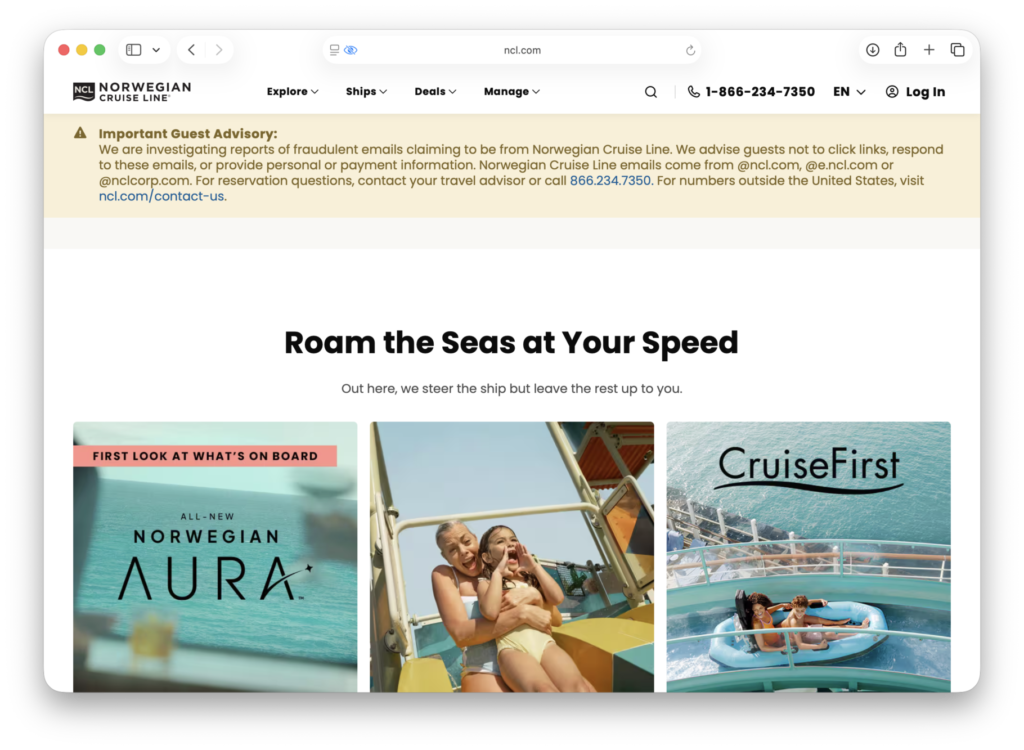
Norwegian Cruise Line has advised passengers not to click suspicious links, reply to fraudulent messages or provide personal or payment information in response to them. The email domains ending in @ncl.com and @nclcorp.com are the official sender domains for NCL communications. Emails with other domain endings should be considered suspect. Even so, passengers should not rely on the sender address alone. Email addresses and other sender details can be spoofed, and a message that appears authentic may still be fraudulent.
Instead, open the official Norwegian Cruise Line website independently or use the company’s official app, if available, to check the booking. Travelers who are uncertain should contact customer service using contact information obtained from an independently verified official source, or speak with the travel advisor who arranged the cruise.
Do not use the phone number or website link embedded in the suspicious email to verify whether it is legitimate. If a message claims that a reservation is about to be canceled, verify that claim through a separate, trusted channel before taking action.
Has Norwegian Cruise Line Confirmed a Data Breach?
This is the question many passengers are asking, and it is important to separate what is known from what remains unconfirmed.
As of October 12, 2026, Norwegian Cruise Line has acknowledged reports of fraudulent emails and said it is actively investigating the matter. The company has also warned guests and travel advisors about the campaign. However, NCL has not confirmed that a data breach occurred, nor have they speculated on how the senders obtained the accurate reservation information.
There are several possible explanations for how criminals might acquire booking details, including compromised email accounts, exposed information held by a third party, stolen credentials or unauthorized access to a booking-related system. These are possibilities, not confirmed findings about this incident. Passengers should therefore avoid jumping to conclusions about the source of the information while taking the threat seriously. The safest approach is to treat the suspicious message as potentially malicious, report it through appropriate channels and independently verify any claims about the reservation.
How to Spot a Fake NCL Booking Email
Watch for these warning signs:
- Unexpected credit card verification: An email asks you to confirm the card used to book your cruise through an unfamiliar link.
- Threats of cancellation: The message claims your cabin or reservation will be canceled unless you act immediately.
- Requests for sensitive information: A website linked from the email asks for your full card number, security code, passwords or other personal details.
- Unusual website addresses: The link leads to a domain that does not match the company’s verified website.
- Pressure to bypass normal procedures: The sender discourages you from contacting customer service or insists that verification must happen through the email.
One important detail: accurate booking information does not prove that an email is genuine. Nor does a professional design, familiar logo or plausible sender name.
What to Do If You Receive a Phishing Email
Passengers do not need to panic or cancel their cruise simply because a suspicious message arrives. Instead, follow a few practical steps to protect your booking and financial information.
1. Do not click the link
Avoid clicking buttons, downloading attachments or replying to the message. Do not enter payment details, even if the email includes your correct reservation number.
2. Verify your reservation independently
Navigate to Norwegian Cruise Line’s official website yourself, check your reservation through an official channel, or contact your travel advisor. Ask whether any payment verification or check-in action is genuinely required.
3. Report the suspicious message
Follow your email provider’s phishing-reporting procedure and use the cruise line’s verified contact channels to report the impersonation. You can also report suspected fraud to the FTC at ReportFraud.ftc.gov .
4. Act quickly if you shared payment details
Contact your bank or card issuer using its official number, explain what happened, and ask whether the card should be locked or replaced. Review recent transactions and dispute unauthorized charges promptly.
The FTC also recommends reporting phishing attempts and visiting IdentityTheft.gov if personal information has been compromised. If you clicked a link and suspect malicious software was installed, update your device’s security software and run a scan.
Protect your financial details while enjoying your vacation with an RFID-protected wallet.
Elevate your travel style with this Full Grain Napa Leather Wallet. Crafted with genuine full-size leather and Swiss precision, it offers RFID blocking technology to protect your data on the go. Comes in an elegant presentation box—perfect for gifting or keeping essentials secure during cruises and adventures.