Norwegian Joy Arrives in Sitka With Dead Fin Whale on Its Bow
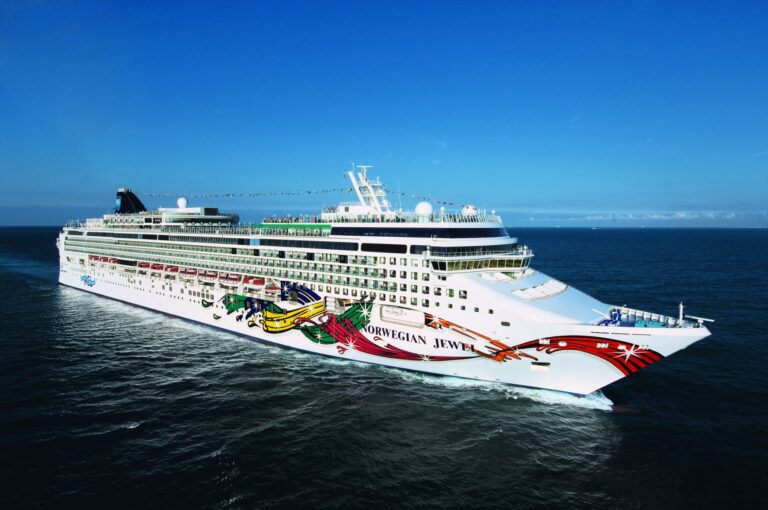
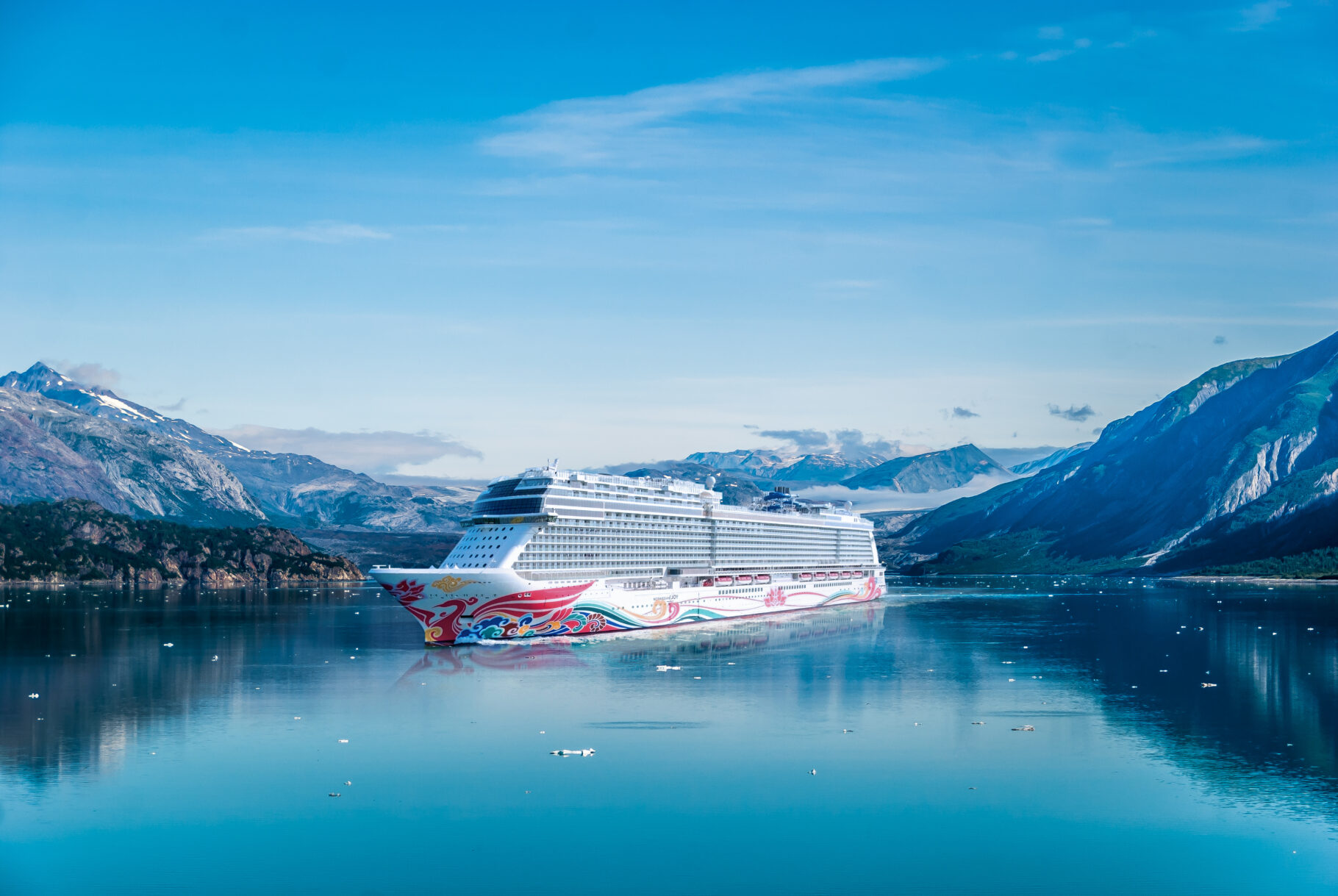
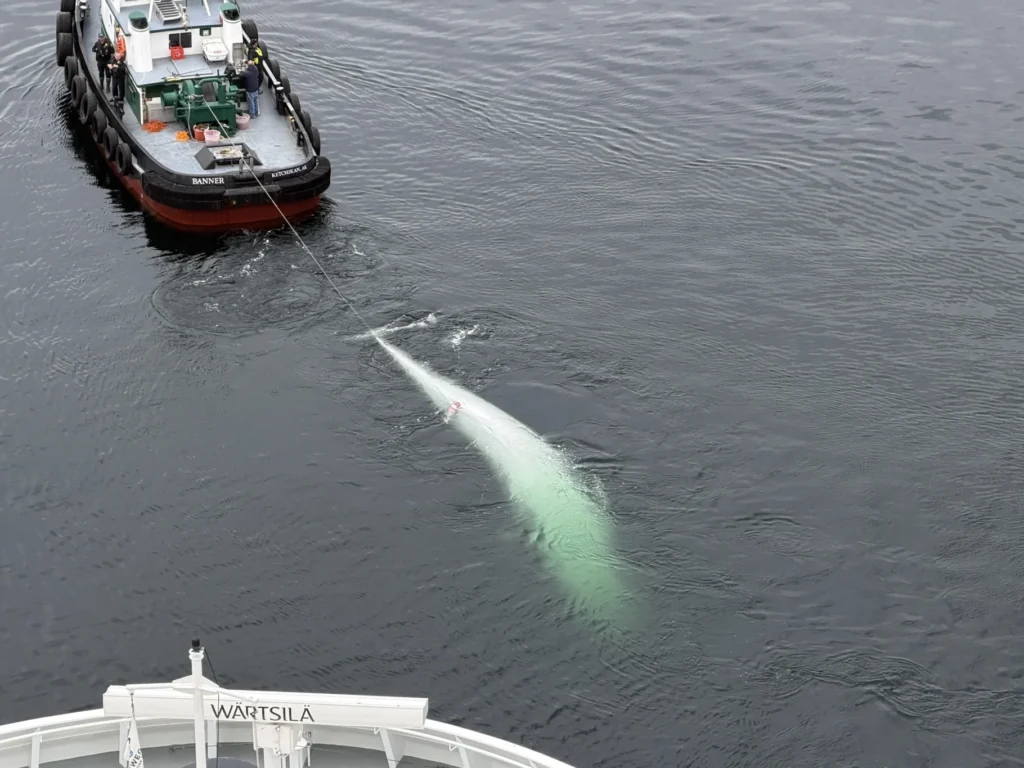
An Alaska cruise took a disturbing turn Thursday morning when the Norwegian Joy arrived in Sitka with a dead fin whale lodged on the ship’s bulbous bow. The 57.5-foot adult male whale was discovered as the ship approached the Sitka Sound Cruise Terminal, forcing the vessel to delay its scheduled arrival while authorities and marine mammal experts assessed the situation.
The 3,800-passenger-class Norwegian Joy was scheduled to arrive in Sitka at 8 a.m. on September 17, but passengers were kept aboard while the whale was dealt with. Local reporting indicates the ship eventually docked roughly three hours later, allowing passengers to begin disembarking after the unusual marine emergency had been addressed. For passengers on board, the scene was surreal. Traveler Gretchen McLaurin told KIRO Newsradio that an announcement was made around 7:45 a.m. informing guests that operations had been stopped because there was a whale on the bow, while passengers watched as responders worked to remove the animal.
NOAA Investigates What Happened to the Whale
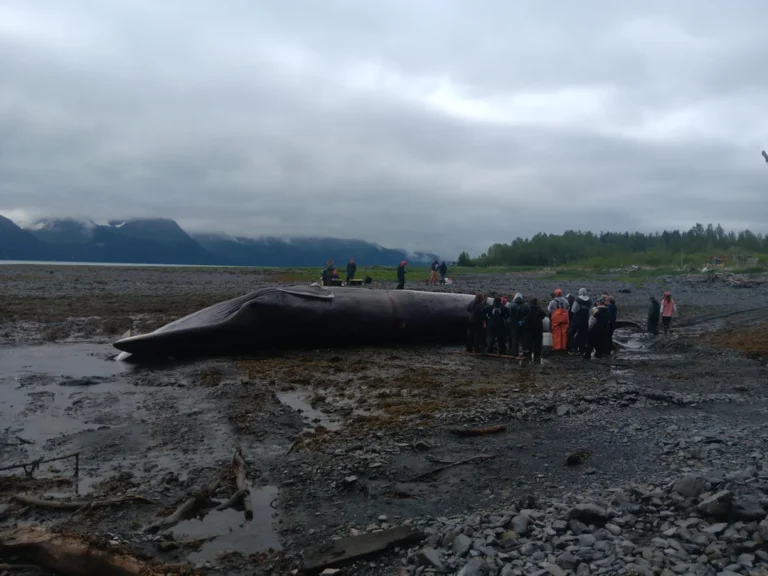
The whale has been identified by NOAA Fisheries as an adult male fin whale measuring approximately 57.5 feet. Fin whales are an endangered species under the U.S. Endangered Species Act, and NOAA lists vessel strikes among the major threats facing the species.
Finding a whale on a ship’s bow does not, by itself, establish every detail of what happened before the animal became lodged there, and officials have not yet publicly released the ship’s speed or other circumstances surrounding the encounter. At this point, officials have not determined exactly how the whale died. NOAA Fisheries and members of the Alaska Marine Mammal Stranding Network are assessing the carcass and considering whether a necropsy can be performed, while the NOAA Fisheries Office of Law Enforcement is investigating the incident.
The response in Sitka illustrates how difficult handling a freshly dead whale can be. A local company attempted to tow the carcass toward a nearby beach, but NOAA said it could not be beached because the whale was freshly dead and not buoyant; it was subsequently secured near the beach while authorities determined the next steps.
The Second Cruise-Ship Whale Incident of Alaska’s 2026 Season
The Sitka discovery is especially significant because it is the second incident of this nature during the 2026 Alaska cruise season.
The first occurred in June, when Ovation of the Seas arrived in Seward carrying a 61-foot adult female fin whale on its bulbous bow. That whale was found to be pregnant, and a preliminary necropsy conducted by NOAA Fisheries, the Alaska SeaLife Center and Alaska Veterinary Pathology Services found blunt-force trauma to the jaw, spine and ribs consistent with a vessel strike.
That makes the latest incident one to watch as NOAA continues its investigation. Two fin whales being discovered dead on cruise-ship bows in the same Alaska cruise season is unusual enough to raise renewed questions about vessel traffic, whale habitat and collision risk, even though the available information does not establish that the two incidents had the same cause or circumstances.
Why Ship Speed Matters Around Whales
The issue of vessel speed had already become part of the conversation following the June death. NOAA’s current fin whale guidance advises mariners to watch their speed in areas where marine mammals occur and says operating at 10 knots or less can reduce the potential for injury in a collision. Recent federal material concerning vessel activity in Southeast Alaska likewise notes that speed is an important factor in whether a whale strike results in serious injury or death. NOAA research cited in that material found that severe or lethal injuries become much more common at higher speeds, while serious injuries are much less frequent below 10 knots.
That does not mean a slower vessel can never strike a whale. Large whales are difficult to see, can surface unexpectedly and spend substantial amounts of time beneath the surface, creating a tricky situation even for experienced crews.
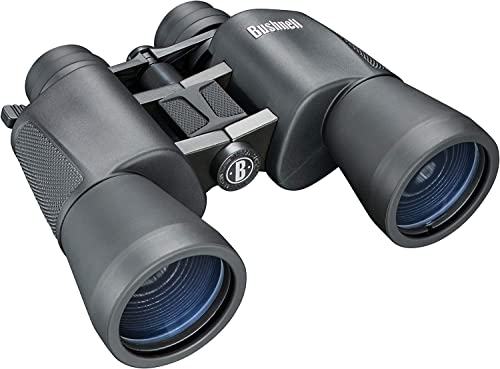
Observe the wildlife on your Alaska cruise from a respectful distance with a pair of high-powered binoculars.
A high-quality pair of binoculars is a must for any Nature Watcher. From spotting whales breaching to tracking seabirds over the waves, binoculars bring the beauty of the natural world into sharp focus. Lightweight and comfortable for hours of use, they’re the perfect companion for ocean and shore excursions alike.