Cruise Ship Messaging Is the New Family Flashpoint
There was a time when losing track of your family on a cruise meant leaving a note under the cabin door and hoping everyone eventually showed up for dinner.
Today, passengers carry smartphones, cruise apps can show schedules and ship maps, and onboard Wi-Fi networks are everywhere. So why, in 2026, are cruise lines still taking different approaches to one of the most basic family-travel needs: sending a quick message to someone who is already on the ship?
Messaging Options Available By Cruise Line
Royal Caribbean
Royal Caribbean is perhaps the clearest example. Its current FAQ says Guest Chat is available at no charge while onboard, provided passengers connect to the ship’s Guest Wi-Fi. Guests in the same stateroom are automatically connected, and travelers can invite other guests to chat.
But free onboard chat does not mean free internet. Royal Caribbean allows passengers to use its app without purchasing an internet package, while broader activities such as web browsing and streaming remain separate.
Disney Cruise Line
Disney Cruise Line takes a similarly straightforward approach. Its Navigator app provides Onboard Chat for communicating with family and friends, and Disney says the app’s onboard features are free when passengers use the ship’s Guest Wi-Fi. Internet access beyond the Navigator app is sold separately.
Disney’s current app information also confirms that passengers can conduct one-to-one or group chats, making it particularly useful when parents, grandparents and kids are scattered around a huge ship.
MSC Cruises
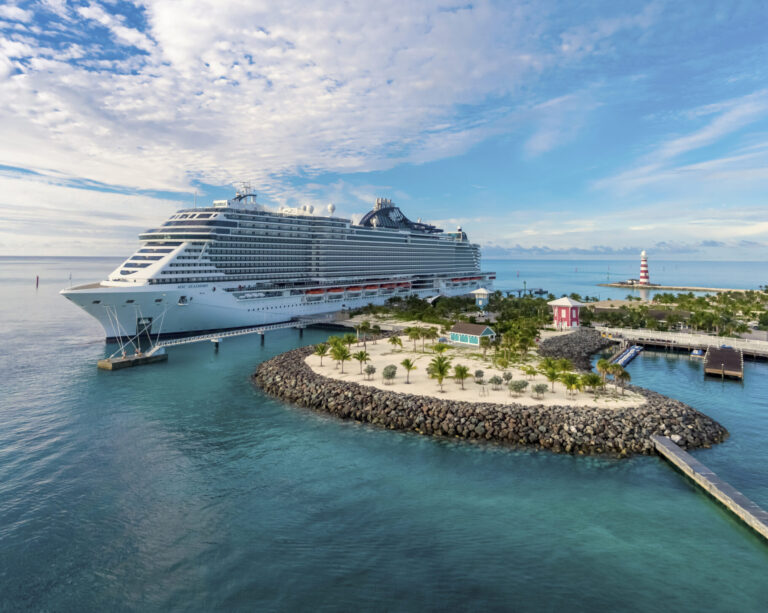
MSC Cruises is another line that has made the distinction crystal clear. MSC for Me allows guests to message fellow passengers onboard without purchasing an internet package, although the chat function is restricted to guests 16 and older.
Princess Cruises
Princess’ MedallionClass ecosystem provides onboard communication and location-oriented features through the free app. The MedallionNet is the paid internet service for video calls, email, social media and streaming. Princess currently sells MedallionNet Classic separately, while its 2026 Plus and Premier packages include upgraded Wi-Fi benefits.
Carnival Cruise Line
Carnival’s HUB App is free to download and use onboard, but Onboard Chat costs $5 per user, per voyage. Carnival says the feature is available to passengers age 13 and older and does not require a separate internet package.
Carnival isn’t hiding the charge. Its current help page plainly says the onboard chat feature costs $5 per user for the voyage. For one person, that’s hardly a vacation-ending expense. But a family of four is looking at $20 just to unlock a chat function, while the cruise line already provides the wireless infrastructure needed to operate its HUB App.
Norwegian Cruise Line
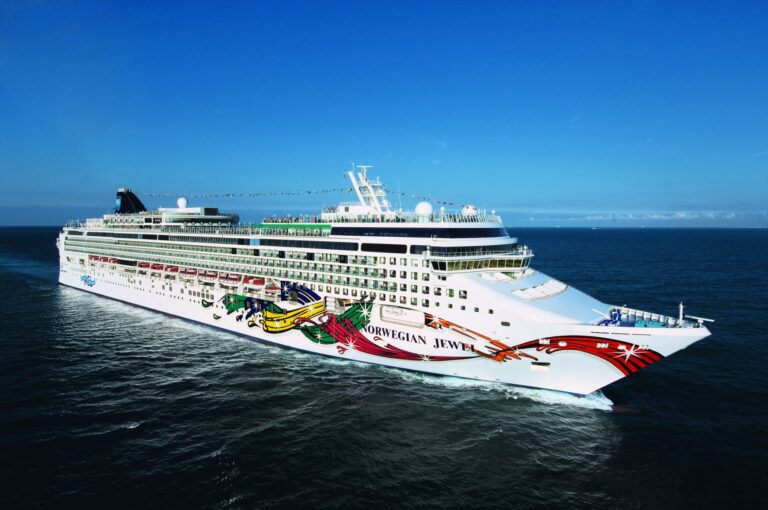
Norwegian’s app can be used onboard without consuming personal Wi-Fi minutes, but it does not include a free chat feature. Its published Phone and Messenger information says a passenger must purchase the package to receive an onboard number. However, Norwegian’s official material still available online lists unlimited onboard calls and messages at $9.95 per person as a one-time fee. And in the FAQs section, NCL advises that passengers can use their Free at Sea WiFi minutes to stay connected with family and friends. It seems that Norwegian does not have a clear policy regarding its on-ship chat features.
The Cruise Line Messaging Scorecard
| Cruise Line | Cost to Chat |
| Royal Caribbean | Free |
| Disney | Free |
| MSC | Free for ages 16+ |
| Princess | Free |
| Carnival | $5 per person |
| Norwegian | $9.95 per person ?? |
Don’t Confuse Ship Chat With Your Normal Text Messages
This is where cruise passengers can get tripped up.
If you’re connected only to a ship’s complimentary app network, you generally can’t assume that WhatsApp, regular web browsing, Instagram or any other messaging service will work. The cruise line may deliberately restrict that network to its own application. If you do need more connectivity, there are other options, including ship to shore calling, a paid ship internet package, cellular service at sea or an international plan from your mobile carrier.
The safest cruise-phone rule remains boring but important: put your phone in airplane mode after boarding and then manually enable Wi-Fi. Otherwise, your phone may connect to maritime cellular service and generate roaming charges.
The Smartest Strategy for Families
If you’re sailing with children or teenagers, make the communication plan before leaving home. Download the cruise line’s app while you still have reliable home Wi-Fi. Make sure every family member knows how to connect to the ship’s network, and decide on a backup meeting point in case someone’s battery dies or the app goes down.
A simple rule such as “meet outside the theater at 6 p.m. if we can’t reach each other” can be worth more than any internet package.
Free Cruise Messaging Is Already a Reality
If a cruise ship already has an internal network supporting its app, schedules, reservations, maps and other onboard services, why not include basic family messaging?
The strongest argument isn’t that cruise companies shouldn’t charge for anything. It’s that basic onboard communication is increasingly becoming part of the cruise experience itself. Royal Caribbean, Disney and MSC already demonstrate that a cruise line can provide an internal messaging system without requiring passengers to buy a full internet package. Carnival’s $5 charge is therefore a policy decision, not evidence that free onboard messaging is technically impossible.
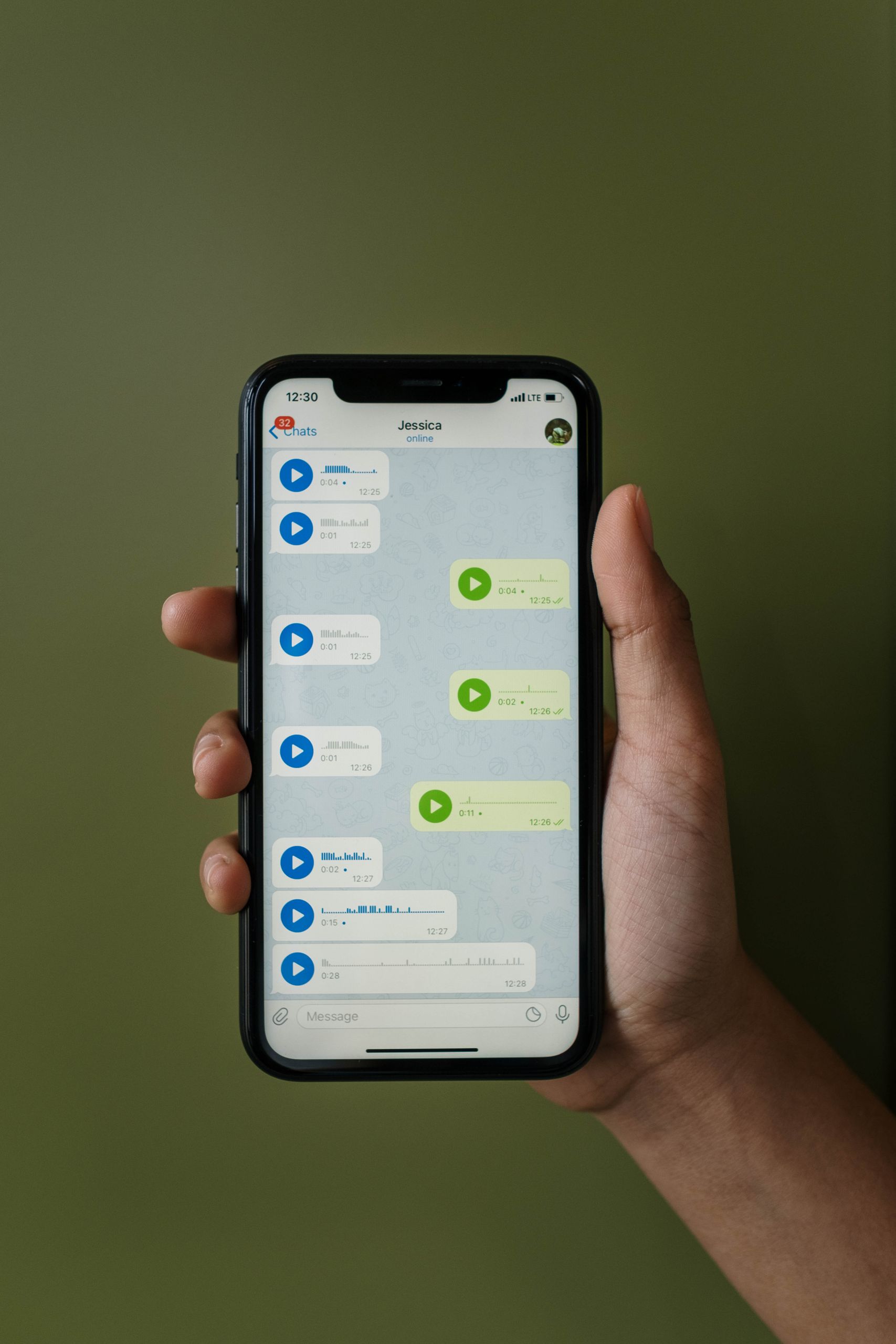
Cruisers don’t necessarily need free internet. They need to be able to send one brutally important message: “Where are you?”
Keep your phone close by in all conditions with a waterproof pouch.
A waterproof phone pouch keeps their most important tool—their phone—protected and always within reach. Whether they’re in the pool, on a tender boat, or wading into turquoise water for that perfect shot, this pouch keeps everything dry while allowing full touchscreen use.