“Alpha, Bravo, Oscar”
A cruise ship can feel like a floating resort, but behind the scenes it operates more like a small city with its own emergency vocabulary. When something goes wrong, crew members may not hear a frantic announcement describing exactly what has happened; instead, they may hear a short word repeated over the ship’s public-address system.
That can sound mysterious to passengers. In reality, cruise ship emergency codes are primarily about speed, clarity and controlling the flow of information when seconds matter.
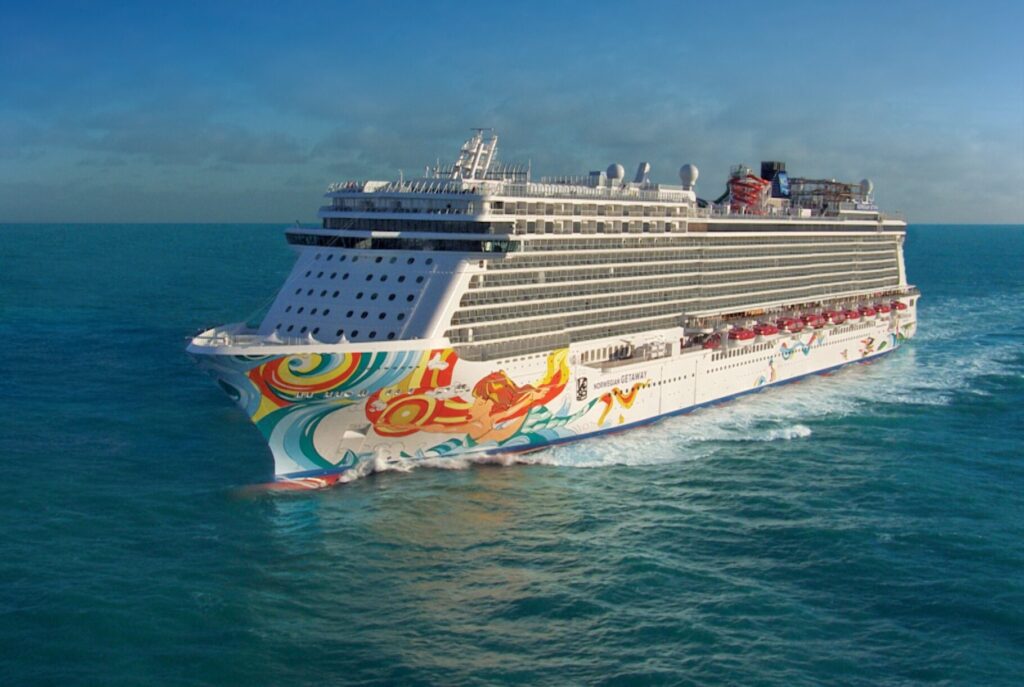
The issue has come back into the spotlight following the death of a passenger aboard Norwegian Getaway on August 23, 2026. Norwegian Cruise Line said the guest went over a balcony and fell onto a lower deck while the ship was returning toward Florida, and that crew members immediately provided life-sustaining measures, but the passenger died. The cruise line has not publicly released the passenger’s identity or explained precisely how the fall occurred.
That tragedy also raises an intriguing question: when an emergency happens on a cruise ship, should passengers be told everything immediately, or is discretion actually part of good emergency management?
Why Cruise Ships Use Code Words
The first thing to understand is that there is no single universal list of “secret cruise codes. Different cruise lines, and sometimes different ships within the same company, can use different terminology.
What is fairly consistent is the reason for using shorthand. A crew member saying “Alpha, Alpha, Alpha, Deck 11, aft” can immediately alert the appropriate medical personnel to respond to a location without broadcasting the details of a passenger’s medical crisis to several thousand other people. Codes allow different departments to be notified quickly while reducing unnecessary concern among passengers. If guests actually need to take action, the ship can make a plain-language announcement.
Imagine a medical emergency in a crowded theater. The crew needs doctors, nurses, security and possibly a stretcher. They do not need 3,000 passengers rushing toward the theater and trying to figure out what happened.
In an emergency, that kind of curiosity can become a safety problem.
Common Cruise Ship Emergency Codes
Here are some of the terms passengers may encounter. These meanings are not universal, so passengers should always follow instructions from their own cruise line and crew.
- Alpha — a medical emergency
- Bravo — a fire or another serious emergency
- Oscar — a man-overboard situation
- Kilo — used to summon crew members to their emergency stations
- Charlie — can indicate a security threat or disturbance on some cruise lines. The exact meaning varies by operator.
- Echo — used for situations involving the vessel drifting, collision concerns or other navigational issues, depending on the cruise line.
- Delta — can refer to ship damage, grounding, flooding or, on some operators, a biological hazard. Again, the meaning is line-specific.
- Papa — can be associated with pollution or an oil-spill situation in some maritime code systems.
- Zulu — has been reported as a security or fight-related code on some cruise ships.
- Operation Brightstar — used by some cruise operators for serious medical emergencies. Disney Cruise Line, for example, has been reported as using the term for medical incidents.
The important takeaway is that passengers should not assume a code has exactly the same meaning on every cruise ship. Even something as familiar as “Oscar” is not a universal cruise-industry command.
The Most Important Signal Is Not a Code Word
There is one emergency signal that is much more important for passengers to recognize than any list of “secret” words. The general emergency alarm consists of seven or more short blasts followed by one long blast. Under the international life-saving appliance requirements, the signal is sounded through the ship’s whistle or siren and through the general alarm system.
That signal is fundamentally different from an internal crew code.
It means you should stop, listen carefully and follow the ship’s emergency instructions. It does not automatically mean “abandon ship.” The master’s instructions determine what passengers should do.
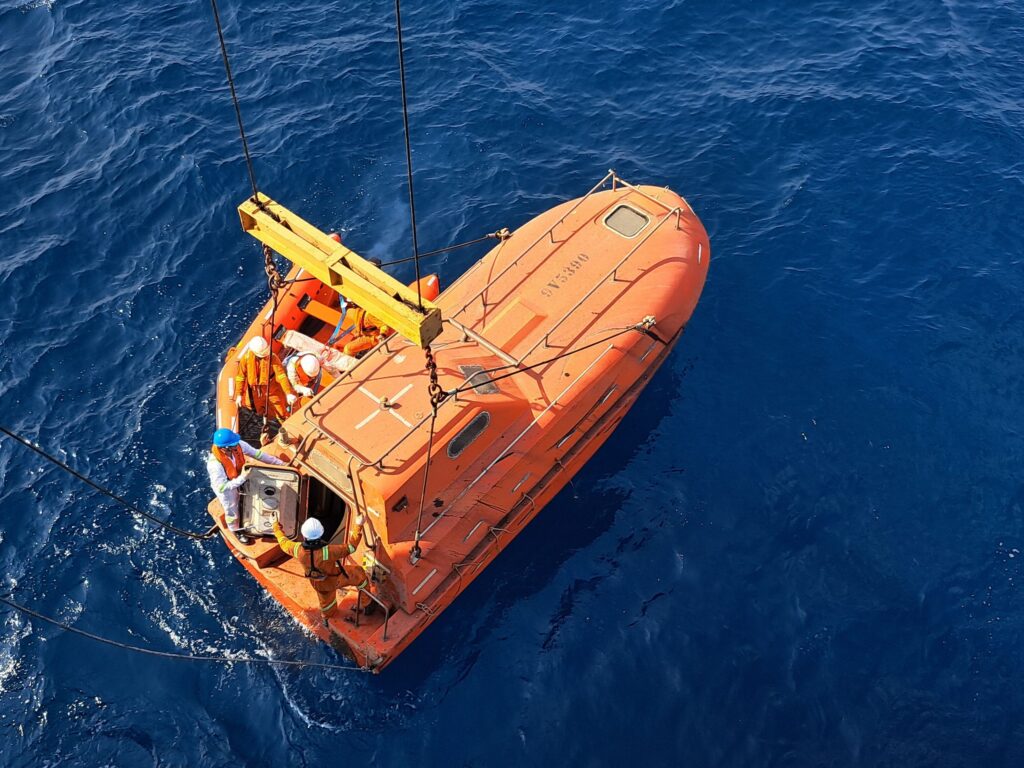
The U.S. Coast Guard says cruise ships must conduct passenger musters and safety drills under SOLAS requirements, while crew members receive formal emergency training. The Coast Guard also says cruise ships are required to conduct fire and abandon-ship drills weekly, with every crew member participating in at least one drill each month.
Why “Secret” Codes Can Actually Improve Safety
The word “secret” makes these codes sound more sinister than they really are. A better description would be internal operational shorthand.
A ship may have thousands of guests aboard and hundreds or thousands of crew members from numerous departments and nationalities. The bridge, medical center, security team, engineering department, housekeeping staff and hotel operations all need to understand urgent instructions rapidly. Using a standardized word followed by a location cuts through the noise.
There is another advantage: privacy.
A medical emergency is somebody’s personal crisis. A passenger who collapses in a restaurant does not necessarily need their medical condition announced to every cabin, bar and pool deck on the ship. The same principle applies to security incidents. If there is a disturbance in one section of the ship, the objective is generally to get trained personnel there quickly—not to create a stampede of spectators.
And that brings us back to Norwegian Getaway.
Should Cruise Lines Be More Circumspect During an Emergency?
Following the August 23 incident aboard Norwegian Getaway, passengers reportedly questioned how much information was being communicated onboard. Accounts circulating online have included claims about where the passenger fell and what may have happened beforehand, but those details have not been independently established and should not be treated as fact. Norwegian Cruise Line’s confirmed statement is much narrower: a guest went over a balcony, fell onto a lower deck, crew members attempted life-saving measures, and the guest died.
That restraint may frustrate passengers, but there is a strong argument for it. During an active incident, premature information can be wrong. A rumor repeated through a ship of thousands of people can become “fact” within minutes, especially when social media is involved.
There is also a difference between being informed and being overwhelmed.
Passengers need to know when they must move, where they must go, what areas are closed and whether their safety is affected. They do not necessarily need a running commentary about the condition of an injured person, the identity of a victim or unverified theories about what caused an incident.
What Should Passengers Do If They Hear a Code?
The safest approach is surprisingly simple: don’t play detective. If you hear “Alpha” followed by a location, stay clear of that location unless crew members direct you there. If you hear an emergency announcement telling passengers to take a particular action, do exactly that.
And if the general emergency alarm sounds—seven short blasts followed by one long blast—forget about figuring out which code applies. Listen to the public-address announcements and follow the crew.
If possible during an emergency, passengers are advised to gather any necessary medications before meeting at their muster station. Make that easy with a pill organizer!
This compact pill case is the perfect travel companion for your cruise. With 10 compartments (4 large and 6 small), it’s ideal for organizing your daily medications or supplements for the trip. The small, portable size fits easily in your bag or stateroom drawer, and the included labels help you keep track of your dosages. Plus, it can also store small items like vitamins, jewelry, or screws. A must-have for any cruise, ensuring you stay organized and prepared.